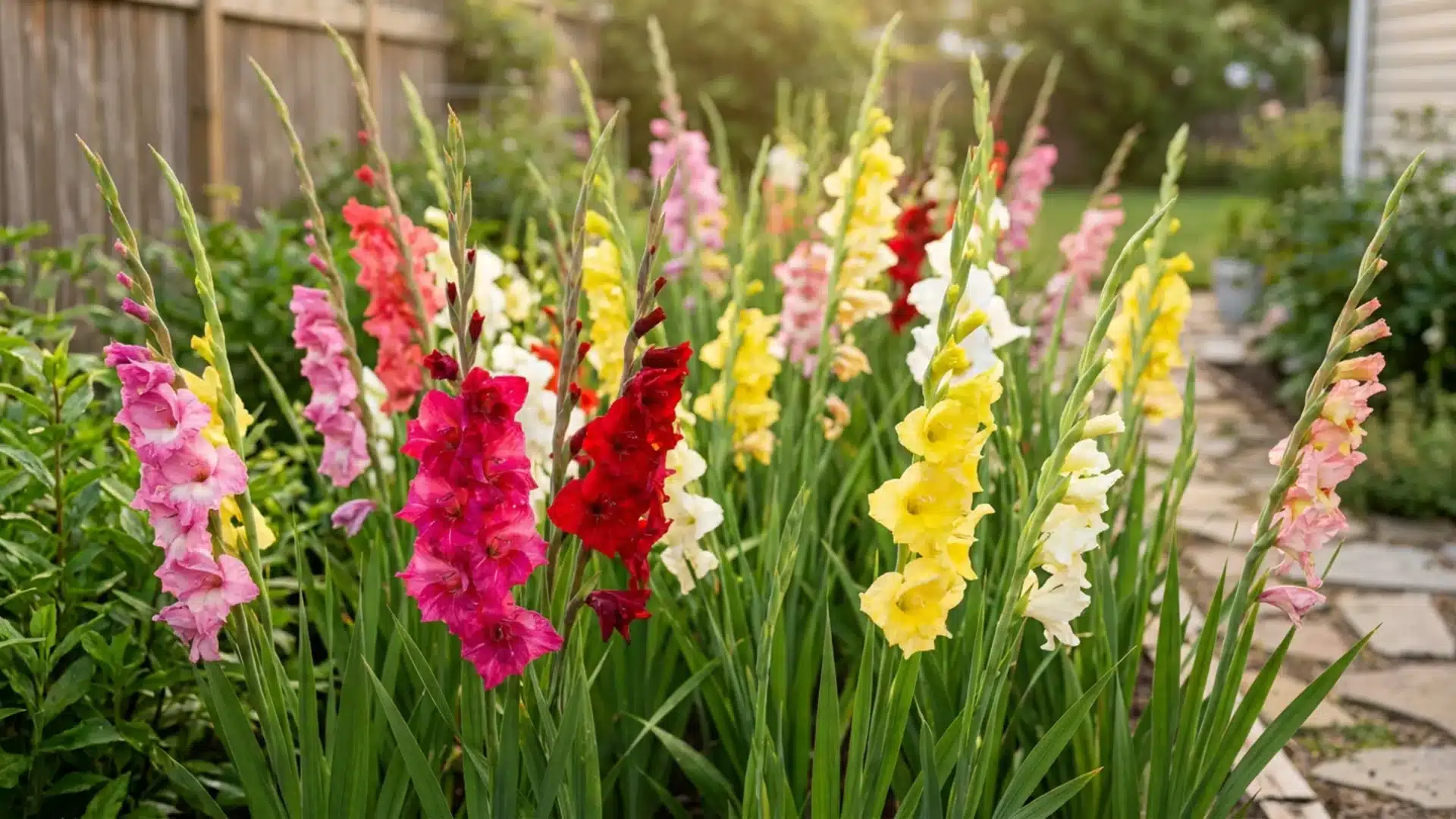
I still remember the year I planted my gladiolus corms too early. The soil on my farm was still cold and wet, and half of them just sat there and rotted.
That mistake taught me more about when to plant gladiolus bulbs than any guide ever did.
If you’re holding a bag of corms right now, wondering if you’ve missed your window, you’re in the right place.
In this post, I’ll walk you through the exact timing that works, how to plant gladiolus bulbs the right way, and what to do if you’re planting later than you planned.
When Is the Best Time to Plant Gladiolus Bulbs?
The short answer: wait until the danger of frost has fully passed.
Gladiolus corms hate cold, soggy soil. If you rush them into the ground too early, they sit there without growing, and often rot before they get the chance.
For most gardeners across the US, this means:
- Early to mid-May is the sweet spot
- Soil temperature should be at least 55°F
- Air should be consistently warm, not just a random warm day
On my farm, I skip the calendar and check the ground instead. Push your finger a few inches into the soil. If it feels cool or damp, give it more time.
Not sure about soil temperature? A cheap soil thermometer from any garden store works fine. I use mine every spring before I plant anything, right alongside my herb beds.
Pro tip: Watch your trees. Once they’re fully leafed out and your grass is growing fast, your soil is almost always warm enough for gladiolus.
Gladiolus Planting Times by Growing Zone
Your planting window really depends on where you live. I learned this the hard way after following a “general” planting date I saw online, which turned out to be for a much colder zone than mine.
Here’s a simple breakdown:
- Zones 3-5 (colder regions): Plant in the first half of June. Your growing season is shorter, so you don’t want to push it past mid-June.
- Zones 6-7 (transition zones): You have more room to work with. Planting through the end of June, and sometimes into early July, still gives you a great bloom by September.
- Zones 8-11 (warmer regions): You can plant well into August, and in some cases even September, since frost isn’t a concern for a long time.
If you’re not sure which zone you’re in, a quick search of your zip code on any hardiness zone map will tell you.
Is It Too Late to Plant Gladiolus Bulbs?
This is the question I get asked the most, usually sometime in June or July.
You likely still have time.
Most gladiolus need 60 to 90 days to bloom. So instead of worrying about the calendar month, count backward from your first expected fall frost date. If you have at least 10 to 12 weeks of frost-free weather left, you’re fine.
I planted corms in the first week of July on my own farm, and they still bloomed fully by late September.
The key was choosing an early-blooming variety and keeping the soil consistently moist through the summer heat, which is no small task with two dogs constantly digging near my flower beds.
One thing I’ve noticed from talking to other growers is that the real risk isn’t planting a little late. It’s planting so late that the corm doesn’t have enough warm days left to flower before frost hits.
If that happens, the corm still grows, but it won’t bloom, and the extra energy spent on leaves can actually weaken it for next year.
Quick way to check your own deadline:
- Find your average first frost date
- Check the days-to-bloom on your bulb packaging (usually 60-90 days)
- Count backward from your frost date
- If you land on today or later, you’re good to plant
How to Plant Gladiolus Bulbs the Right Way
Once your timing is right, planting itself is simple. Here’s exactly how I do it every year:
Step 1: Choose a spot with full sun. Gladiolus can tolerate light shade, but full sun gives you the tallest, most colorful spikes.
Step 2: Prepare loose, well-drained soil. Add a bit of compost if your soil is heavy or clay-like.
Step 3: Plant each corm about 6 inches deep.
Step 4: Space them 3 to 5 inches apart.
Step 5: Always plant with the pointy side facing up. This is where the new growth will emerge.
Step 6: Water them well right after planting.
If you’re growing tall varieties, put stakes in early. I learned this one the hard way, too. Trying to stake a gladiolus after it’s already leaning over is a lot harder than doing it at planting time.
Gladiolus Succession Planting
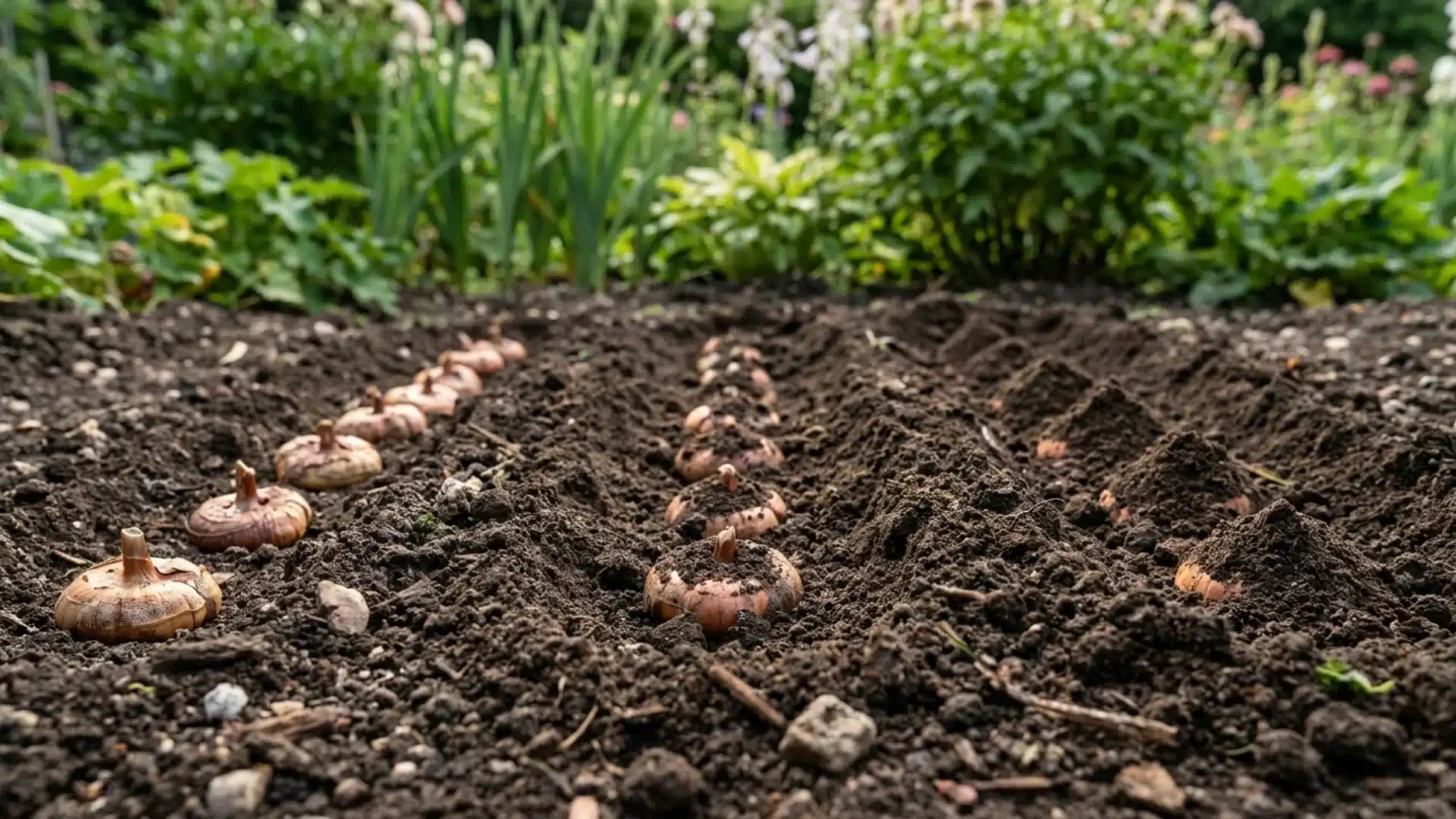
If you plant all your gladiolus corms on the same day, you’ll get one big burst of blooms, and then nothing for the rest of the season.
I made this mistake in my first year and wondered why my garden looked amazing in July and empty by August.
The fix is simple: succession planting.
Instead of planting everything at once, plant a new batch every two weeks starting in spring and continuing into early summer. This staggers your bloom times so you always have fresh flowers coming up.
On my own flower farm, I do this from spring all the way through early summer, which keeps me harvesting continuously for months.
It’s the same logic we use when planting tomatoes, too, since staggering plantings almost always beats putting everything in on one day. You don’t need a farm to use this trick.
Even planting three or four small batches in your backyard garden makes a noticeable difference.
What to Do If You Can’t Plant Gladiolus Right Away
Sometimes your bulbs arrive before you’re ready, or the weather just isn’t cooperating yet. This happens more often than people admit.
If you need to wait:
- Store the corms in a cool, dry, dark place
- Aim for a temperature around 60°F
- Keep them away from moisture to prevent early sprouting or rot
- Check on them occasionally for soft spots or mold
I keep mine in a paper bag in a closet until I’m ready. It’s worked well for years, and there’s no need to overthink this step.
Timing Slip-Ups That Can Cost You a Full Bloom
Here are the timing mistakes I see most often, including a few of my own.
The biggest one isplanting too early, before the soil has actually warmed up. It feels productive to get bulbs in the ground on the first sunny weekend, but this leads to rot more often than people expect.
Another common slip is planting everything at once, which skips the benefit of succession planting and leaves you with one big bloom and then nothing.
I’ve also seen growers ignore their frost date when planting late in the season, but you should always count backward from it first to make sure you have enough time left.
And finally, don’t fall into the trap of assuming someone else’s timing works for you. Your soil, sun exposure, or microclimate might be completely different, even if you live just a few miles apart.
Frequently Asked Questions
What Not to Plant Next to Gladiolus?
Avoid planting gladiolus near legumes like peas and beans. These plants can stunt each other’s growth.
Do Gladiolus Attract Hummingbirds or Butterflies?
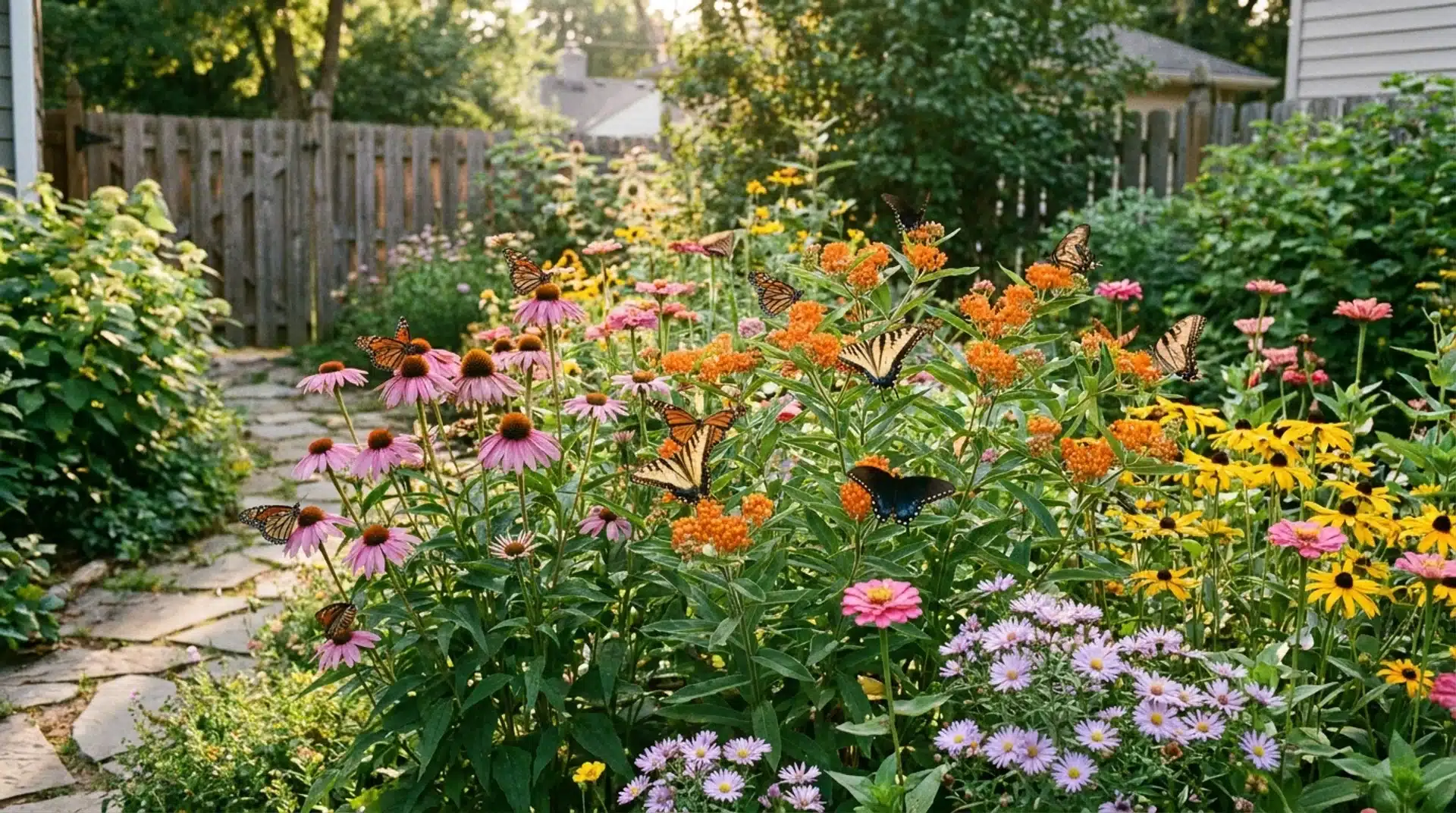
With their vibrant hues and tubular blooms, gladiolus attract bees, butterflies, and even hummingbirds, transforming your garden into a lively, biodiverse haven.
Are coffee grounds good for gladioli?
Yes, gladiolus plants benefit from coffee grounds because they provide a slow-release nitrogen boost and deter pests like slugs.
Final Thoughts
Knowing when to plant gladiolus bulbs really comes down to your soil temperature, your growing zone, and how much time you have left before frost.
Once you get the timing right, the actual planting is easy, and the payoff is worth it. Tall, colorful blooms lasting most of the summer make a real difference in any garden, mine included.
If you’re planting late this year, don’t stress. Count your days, choose the right spot, and get those corms in the ground.
When are you planning to plant yours this season? I’d love to hear about it in the comments.