Japanese beetles are among the hardest garden pests to control once they arrive.
They feed in groups and move quickly from plant to plant.
Adult beetles can attack over 300 different plant species before the season ends. Common fixes like sprays and traps rarely keep up with them.
But your plant choices make a real difference. The right ones confuse beetles by scent, overpower them with chemistry, or trap them before they reach your crops.
This blog covers multiple plants that naturally deter Japanese beetles and shows you exactly where to put them.
How Some Plants Keep Japanese Beetles Away
Japanese beetles find food by smell, color, and texture. Plants that fight back work on all three levels.
Beetles are drawn to sweet or fruity scents, bright blooms, and soft foliage. They track food from a distance using their sense of smell.
Aromatic plants confuse or overwhelm that scent-tracking system. Allium plants, such as garlic and chives, contain sulfur compounds that beetles strongly dislike.
Some plants work differently. White geraniums, for example, paralyze beetles after feeding rather than pushing them away.
That makes them trap plants rather than repellents. Knowing the difference matters when you decide where to put each one in your garden.
No plant is completely beetle-proof when food runs low in an area. But the right plants make your garden far less appealing to passing beetles.
15 Powerful Plants That Repel Japanese Beetles
These plants are grouped by type. Start with the ones that already fit your space and growing conditions.
1. Garlic
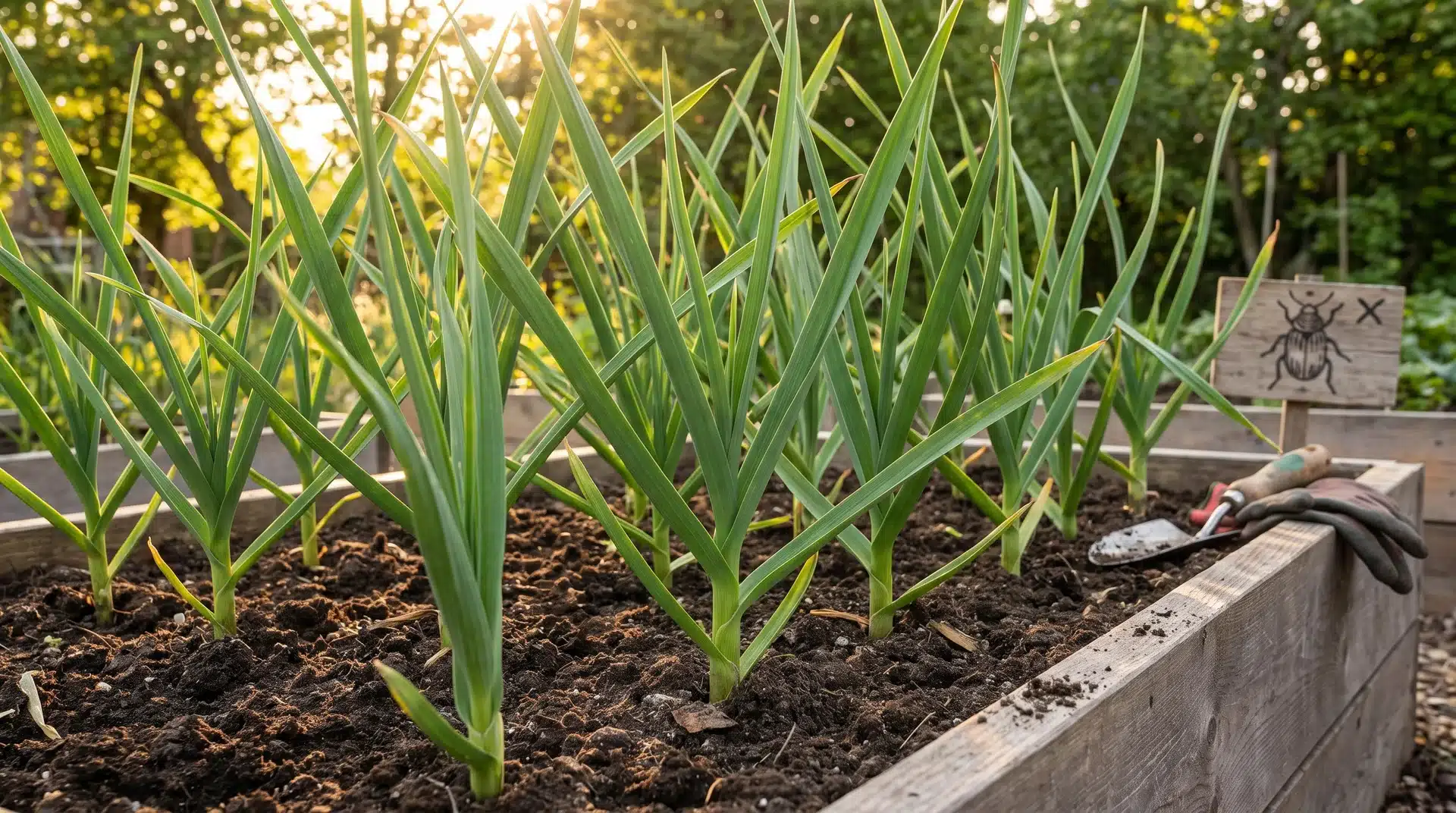
Garlic is one of the most cited natural repellents for Japanese beetles. Its sulfur compounds make nearby plants harder for beetles to locate by scent.
This same natural defense mechanism is also used in marigold companion planting, where underground compounds help reduce pest activity before it reaches crops.
Plant it near roses, beans, and raspberries. Those three are among the beetles’ most favored targets.
Space individual cloves about six inches apart around the plants you want to protect. Garlic also gives you a harvest at the end of the season.
2. Chives
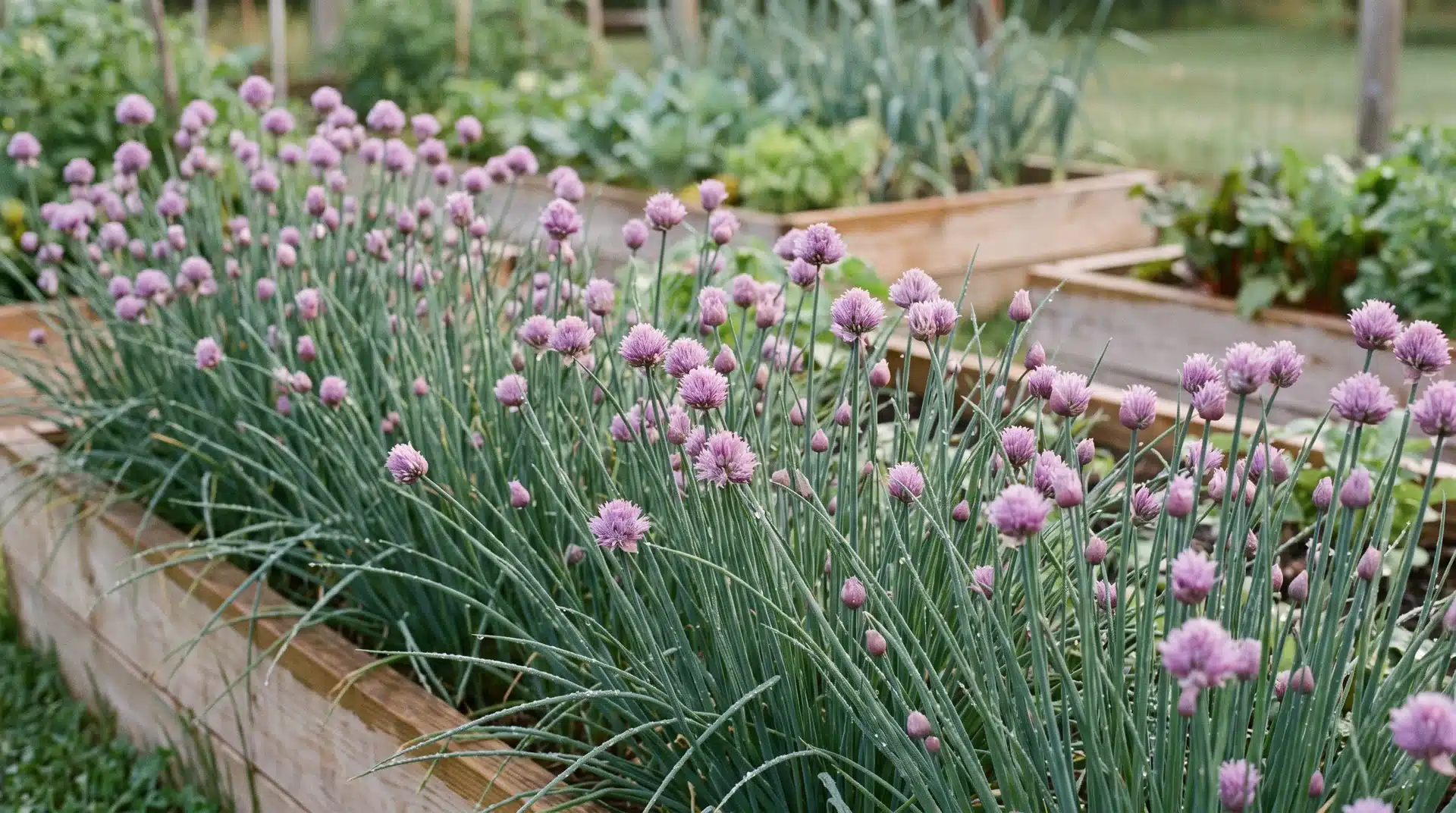
Chives belong to the same allium family as garlic. Their sulfur chemistry makes them just as unappealing to Japanese beetles.
Purple pom-pom flowers add visual interest while the plant does its job. Use chives as a low, compact border around your most vulnerable plants throughout the season.
3. Catnip
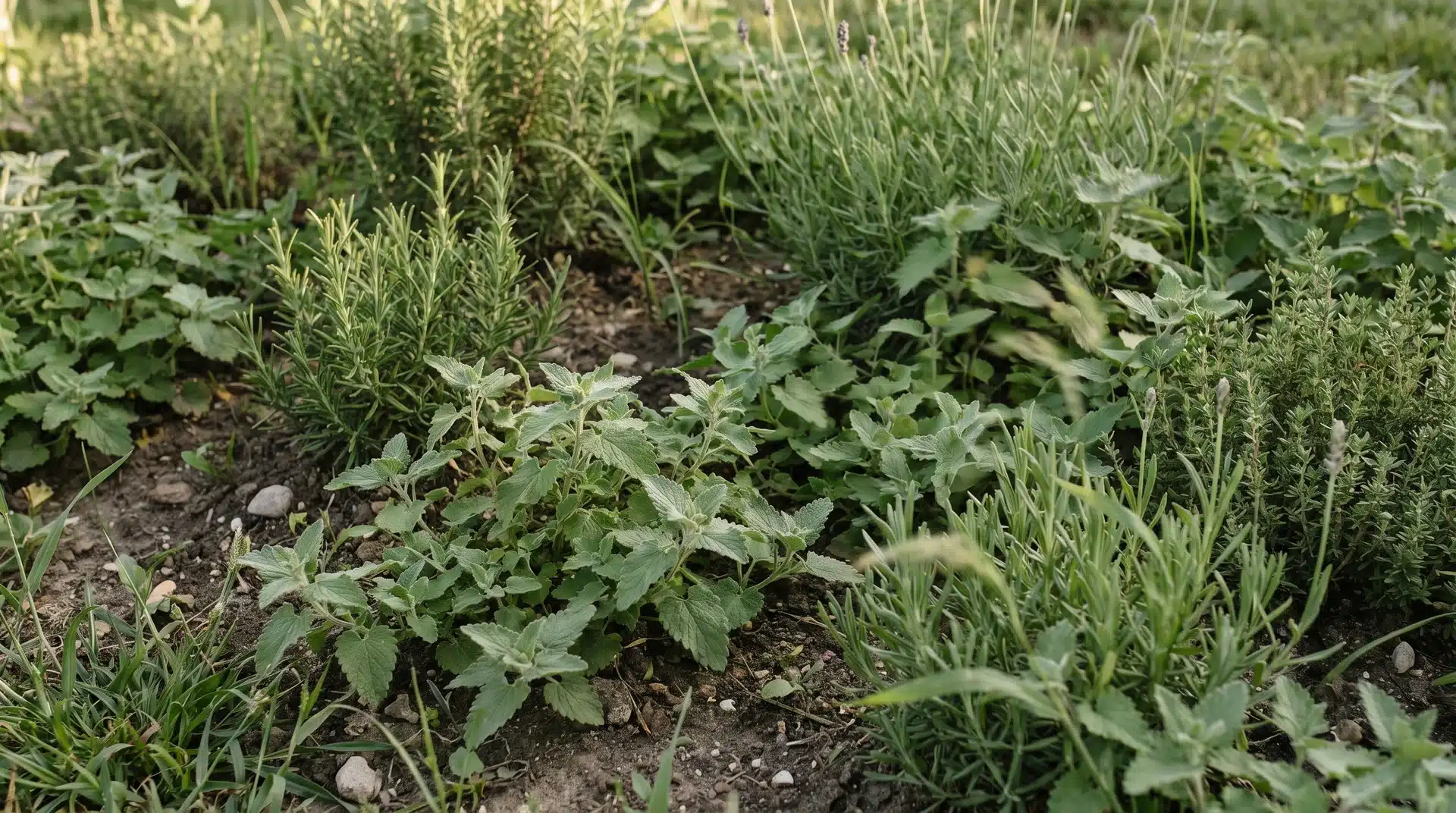
Catnip’s pungent oils act as natural repellents. Japanese beetles avoid it entirely. It also works well as a low-maintenance ground cover in sunny, dry spots.
Keep in mind that catnip draws cats to your garden, which can occasionally cause its own disruptions.
4. Rosemary
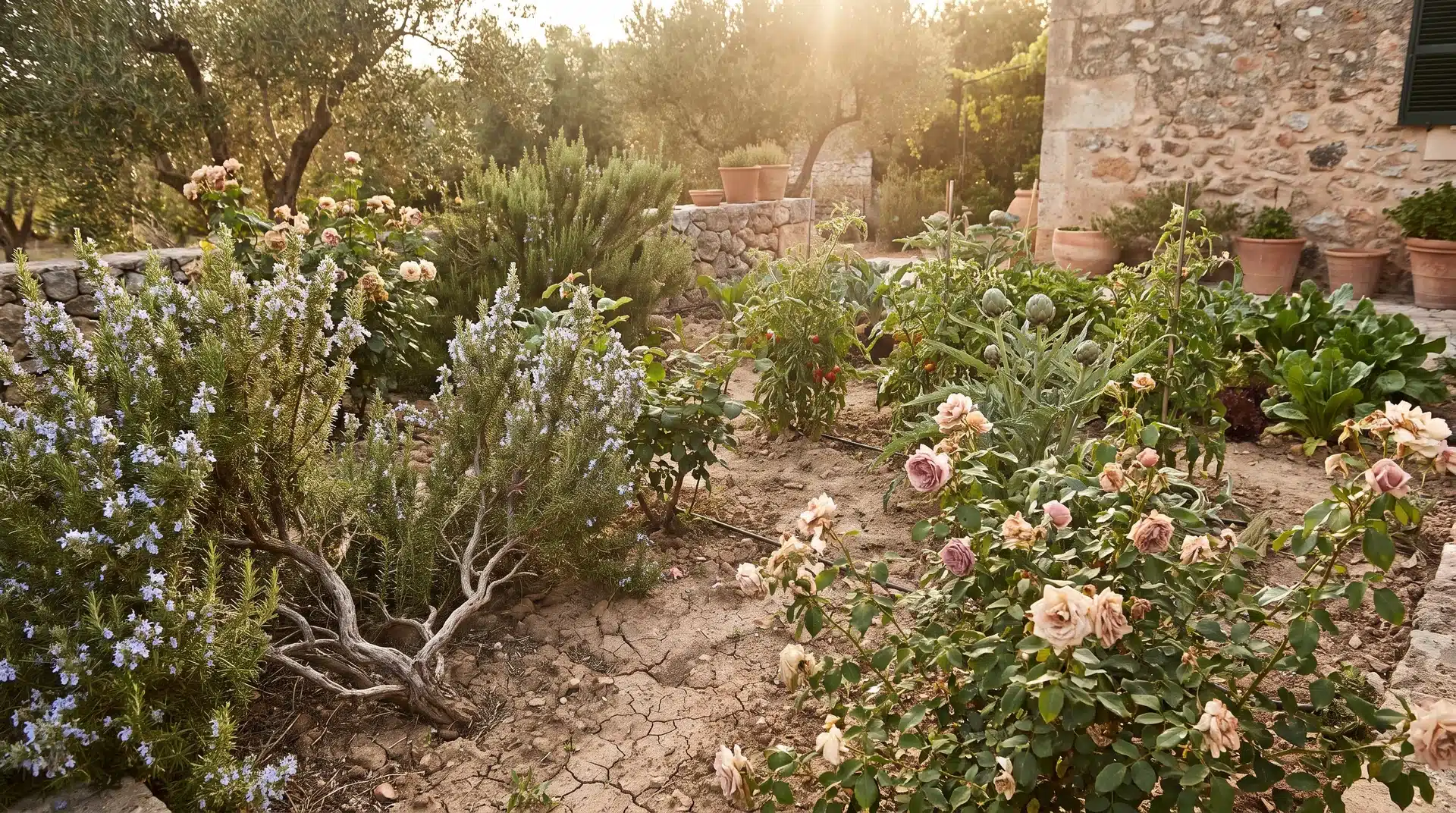
Rosemary’s piney, resinous scent sends Japanese beetles elsewhere. It works well near brassicas, beans, and roses.
Rosemary is drought-tolerant once established. It is a low-effort addition to any full-sun border or raised bed. You get pest protection and a fresh herb for the kitchen at the same time.
5. Thyme
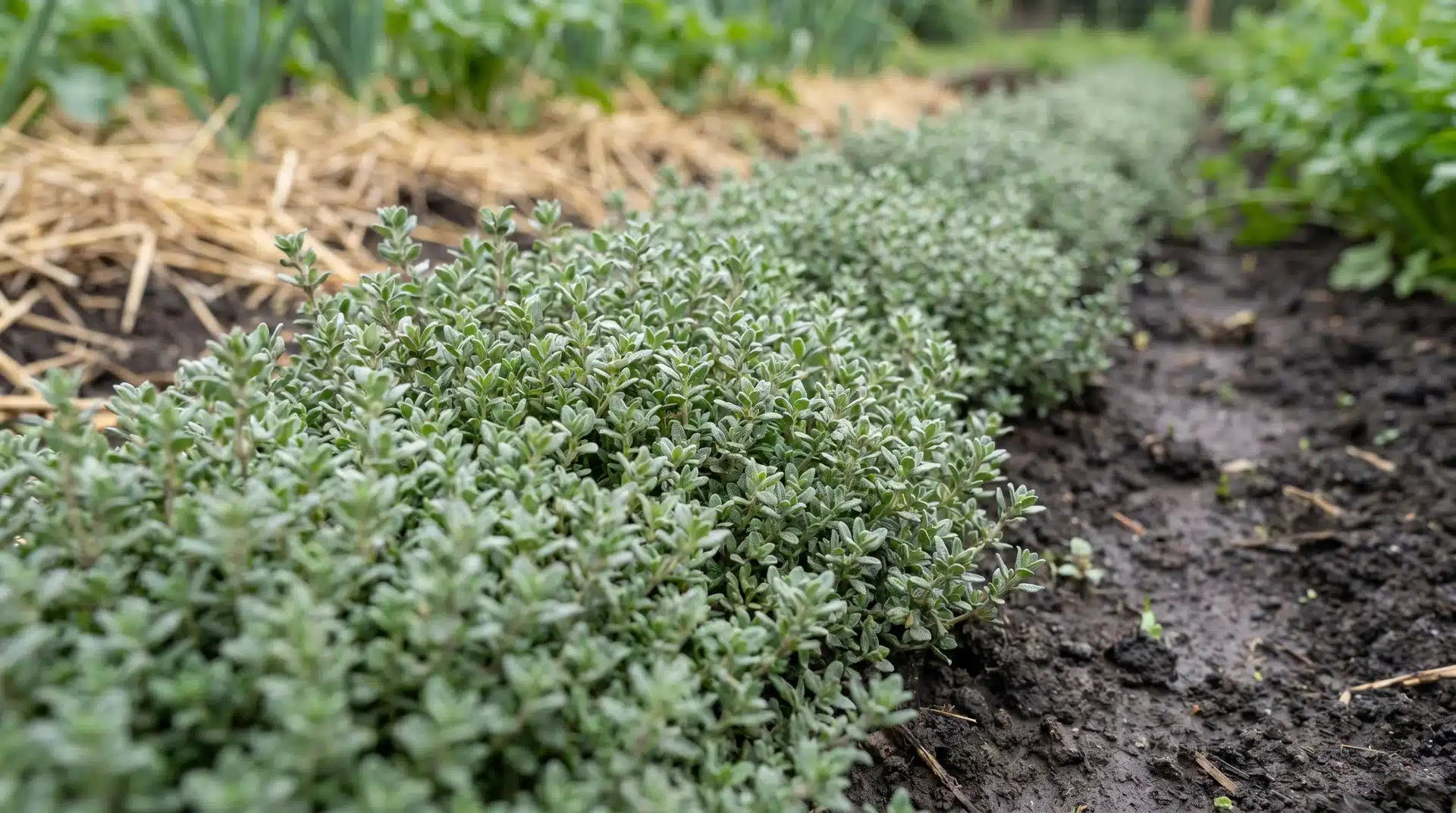
Aromatic thyme foliage deters Japanese beetles from settling nearby. Use it as a low-growing border or plant it between vegetable rows.
Thyme handles heat and dry conditions well. It fits easily into full-sun beds without adding much maintenance to your routine.
6. Rue
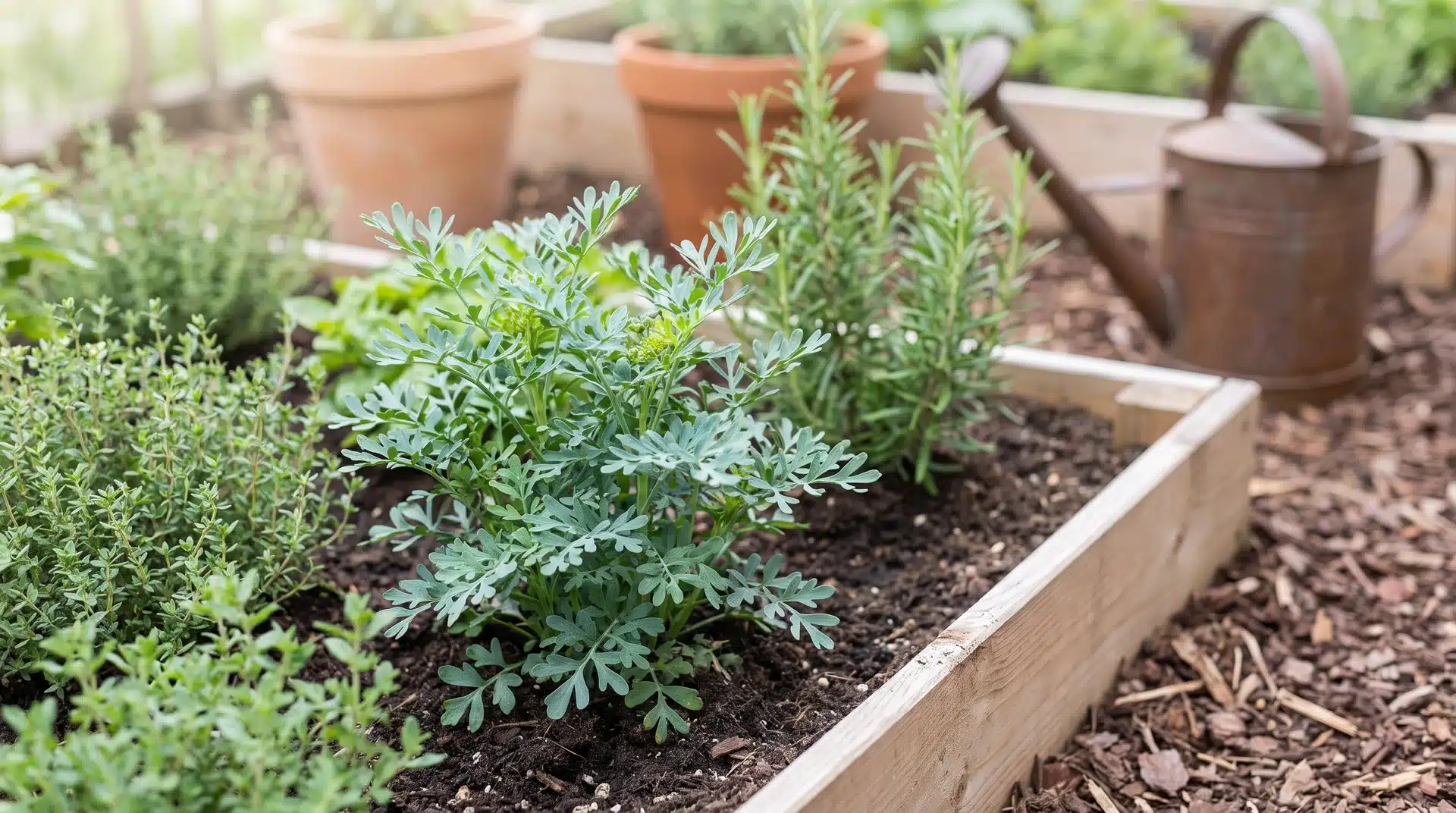
Rue is one of the most consistently cited Japanese beetle repellents across gardening sources. Its chemical compounds are strongly unappealing to beetles.
One important note: rue can cause skin irritation in some people. Wear gloves when planting or handling it to stay safe.
7. Tansy
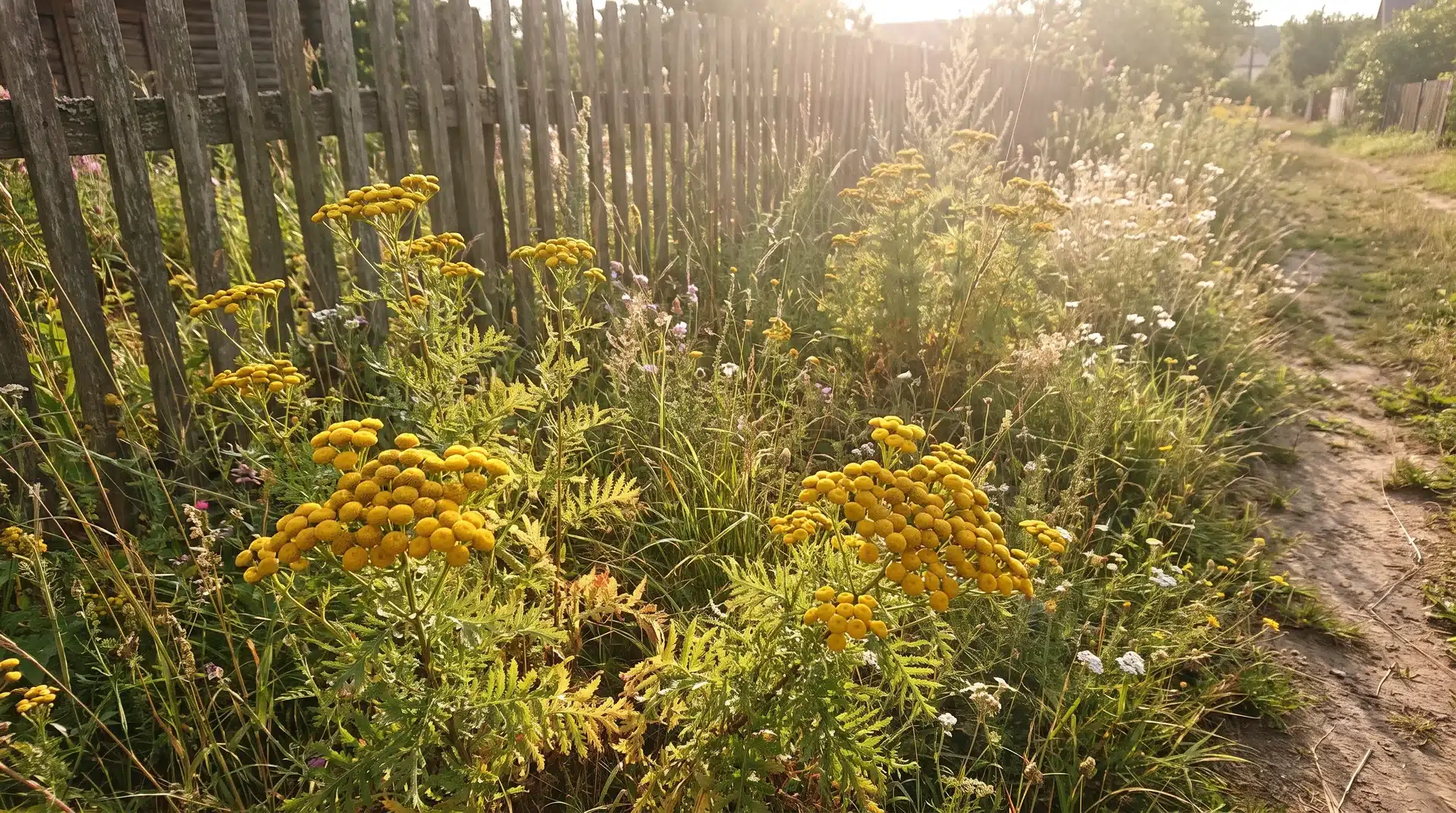
Tansy’s strong aromatic compounds deter Japanese beetles from the area around it. It can spread aggressively in some US regions.
Grow it in containers placed along garden borders. This stops it from spreading into the rest of your beds while still doing its job as a repellent.
8. Lavender
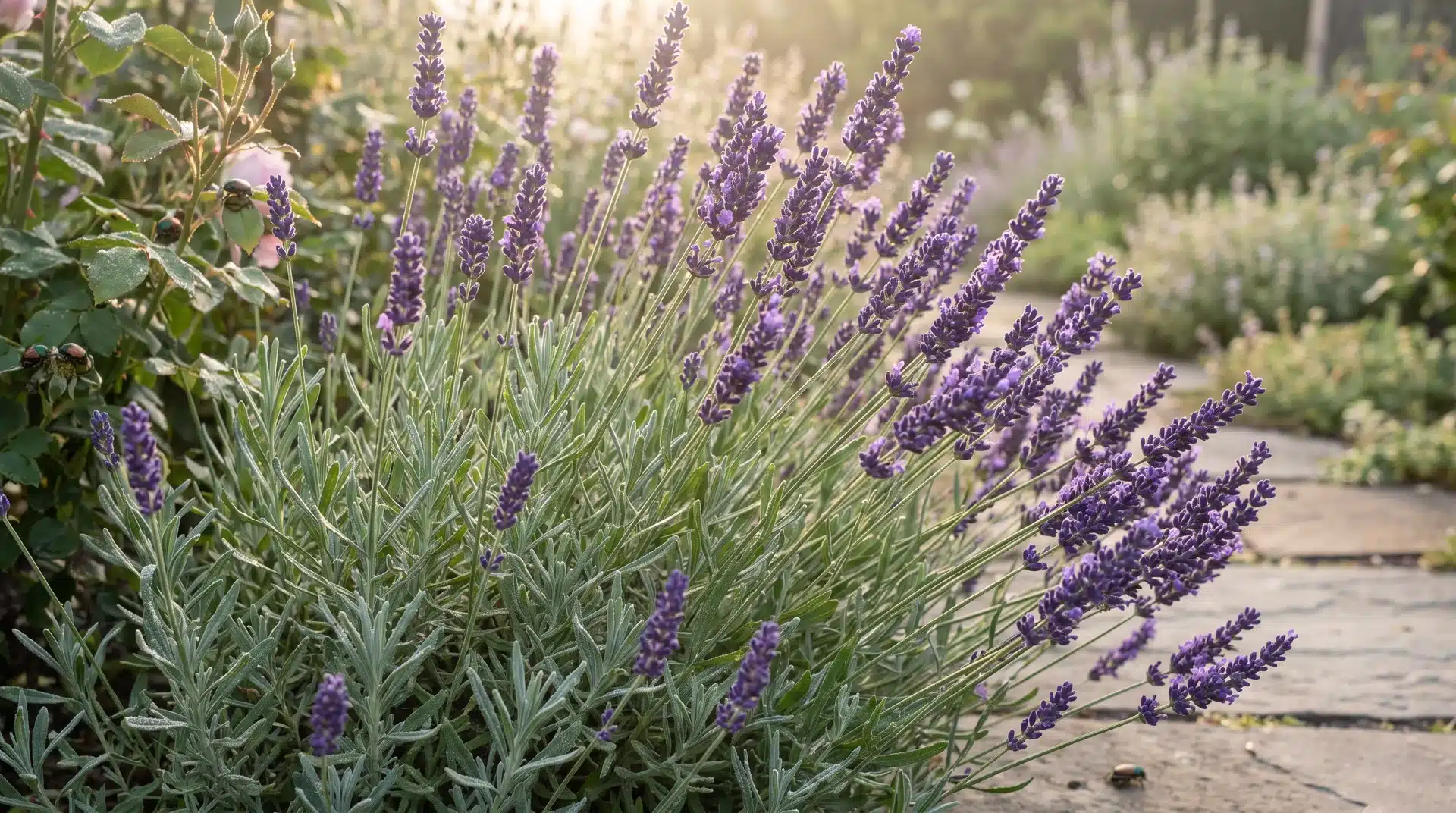
Lavender’s aromatic foliage and flowers keep Japanese beetles away. It draws bees and butterflies at the same time.
Plant it as a border around rose beds. It also works well along the edges of vegetable gardens where beetles regularly feed on crops throughout the summer.
9. Lantana
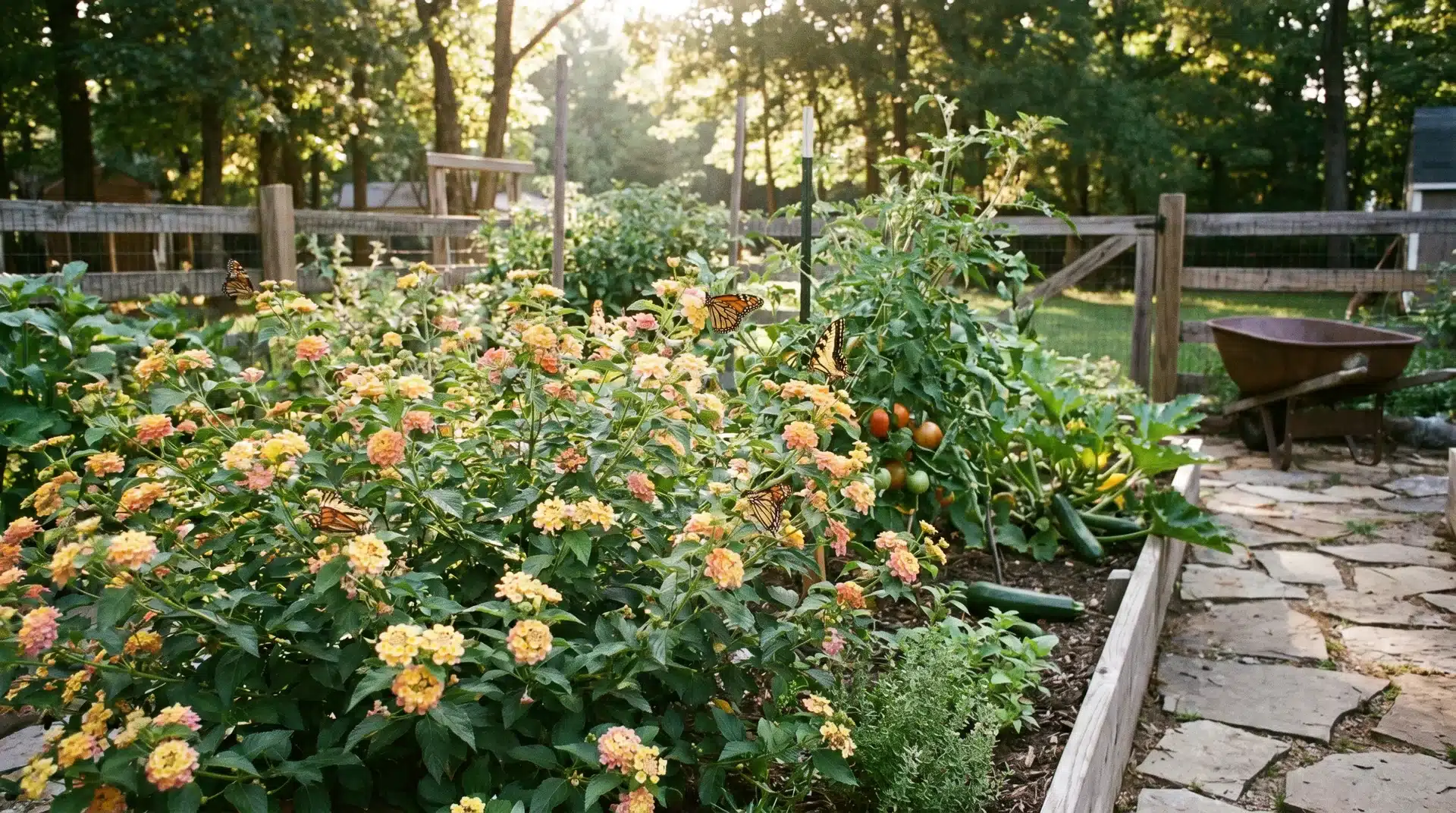
Lantana’s tough, aromatic foliage holds no appeal for Japanese beetles. It blooms continuously from early summer to fall.
Butterflies and hummingbirds visit it often. Use it in borders or containers near any plants that typically take the worst beetle damage each season.
10. Yarrow
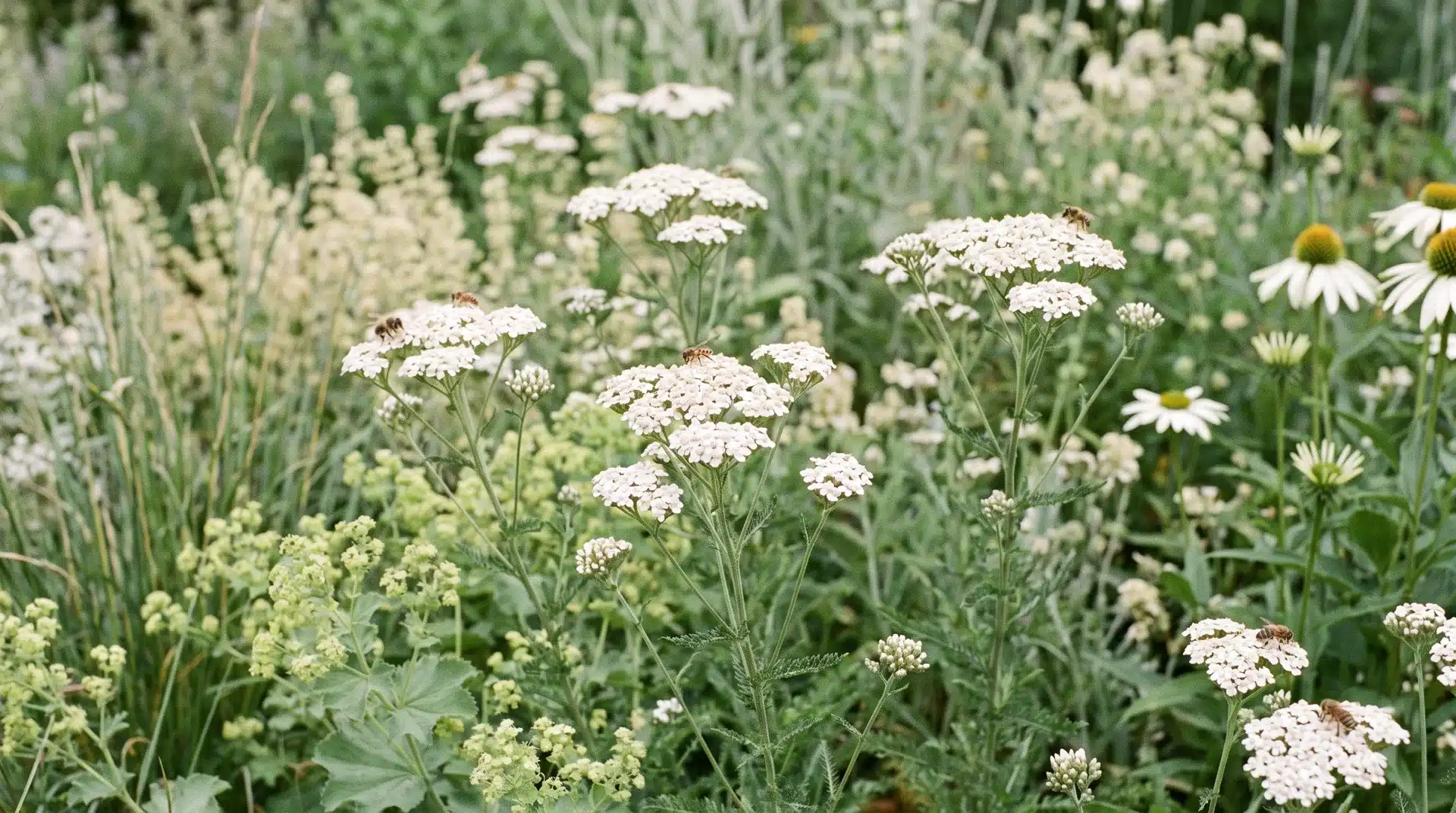
Japanese beetles largely ignore yarrow. Its flat-topped flower clusters draw parasitic wasps, which naturally prey on Japanese beetles.
Planting yarrow near vulnerable crops adds a second layer of protection by bringing those predators directly into your garden.
11. White Geranium (Zonal)
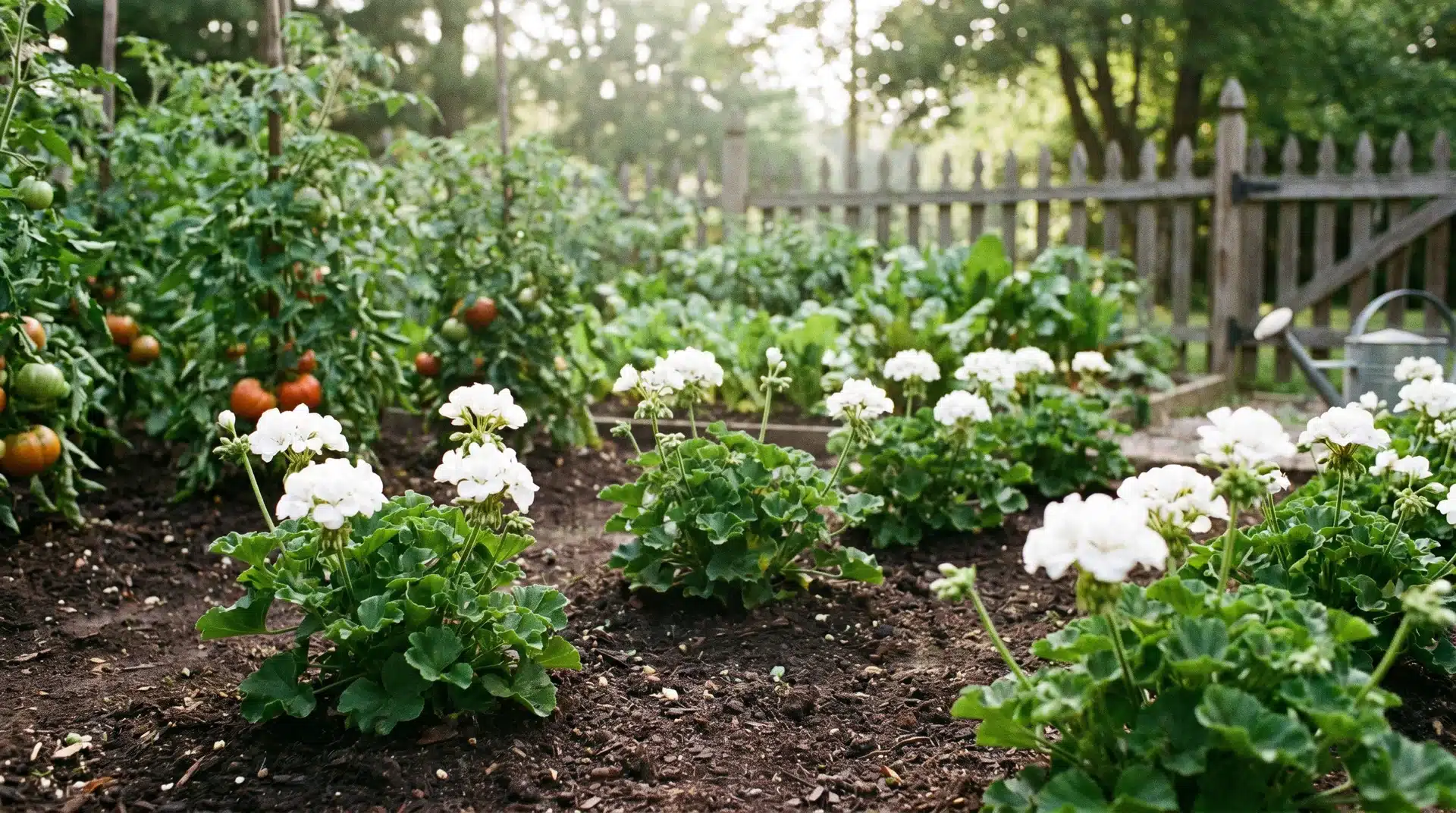
White geraniums work differently from every other plant on this list. The USDA Agricultural Research Service confirmed that beetles eating geranium petals become paralyzed within 30 minutes.
That makes them trap plants. Plant white geraniums at least 10 feet away from the crops you want to protect. Placing them right next to roses or berry plants defeats the purpose.
12. Coreopsis
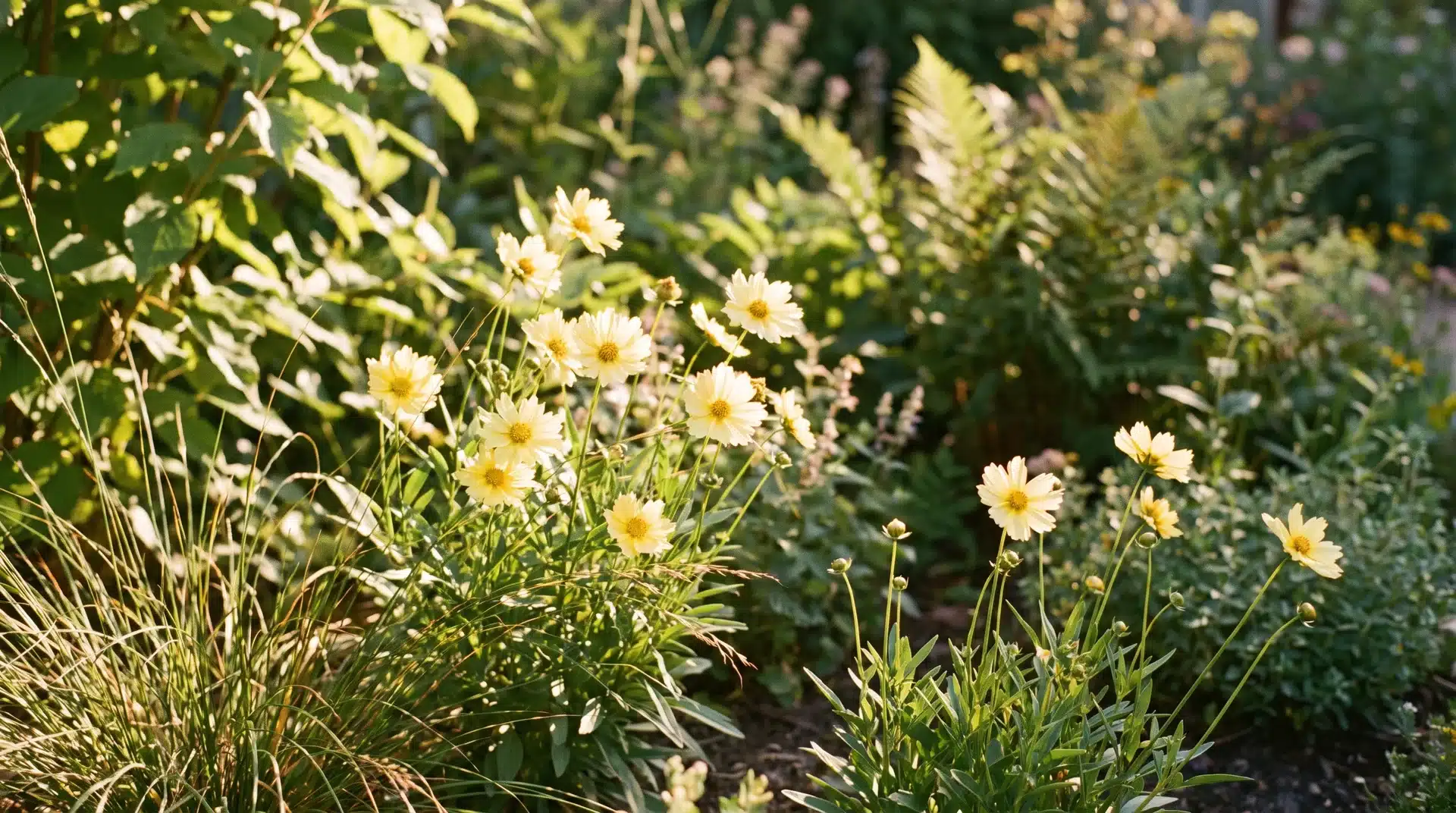
Japanese beetles rarely feed on coreopsis. It blooms reliably in full sun with minimal care.
If you want to replace a beetle-prone summer flower somewhere in your garden, coreopsis is a practical swap. It needs no extra attention and handles heat well right through late summer.
13. Lilac
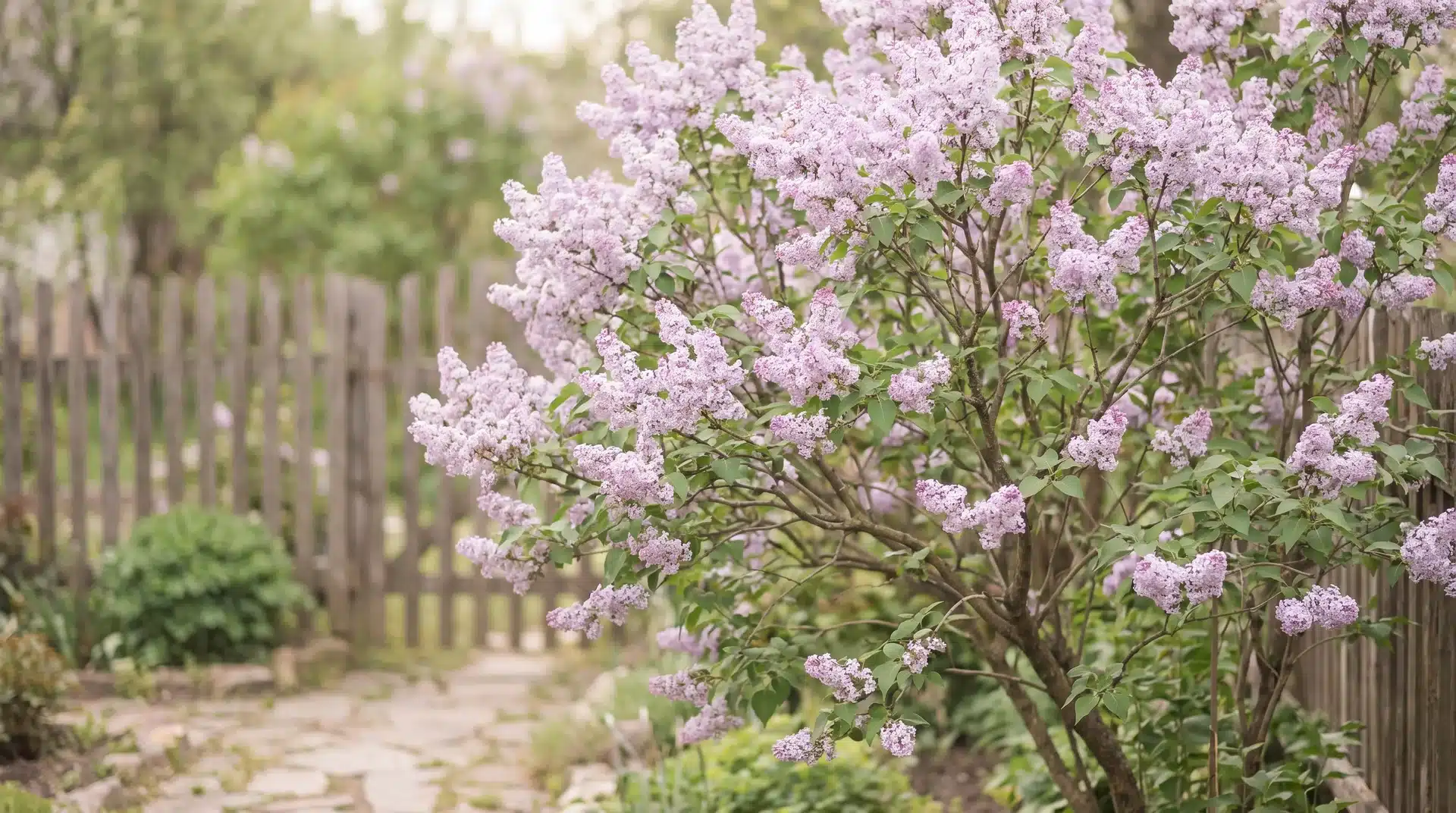
Japanese beetles avoid lilac entirely. It blooms in spring, well before beetle season starts in late June. If a spot in your garden takes heavy beetle pressure year after year, lilac is a practical swap for roses.
It grows in similar conditions and gives you fragrant blooms without the pest traffic.
14. Forsythia
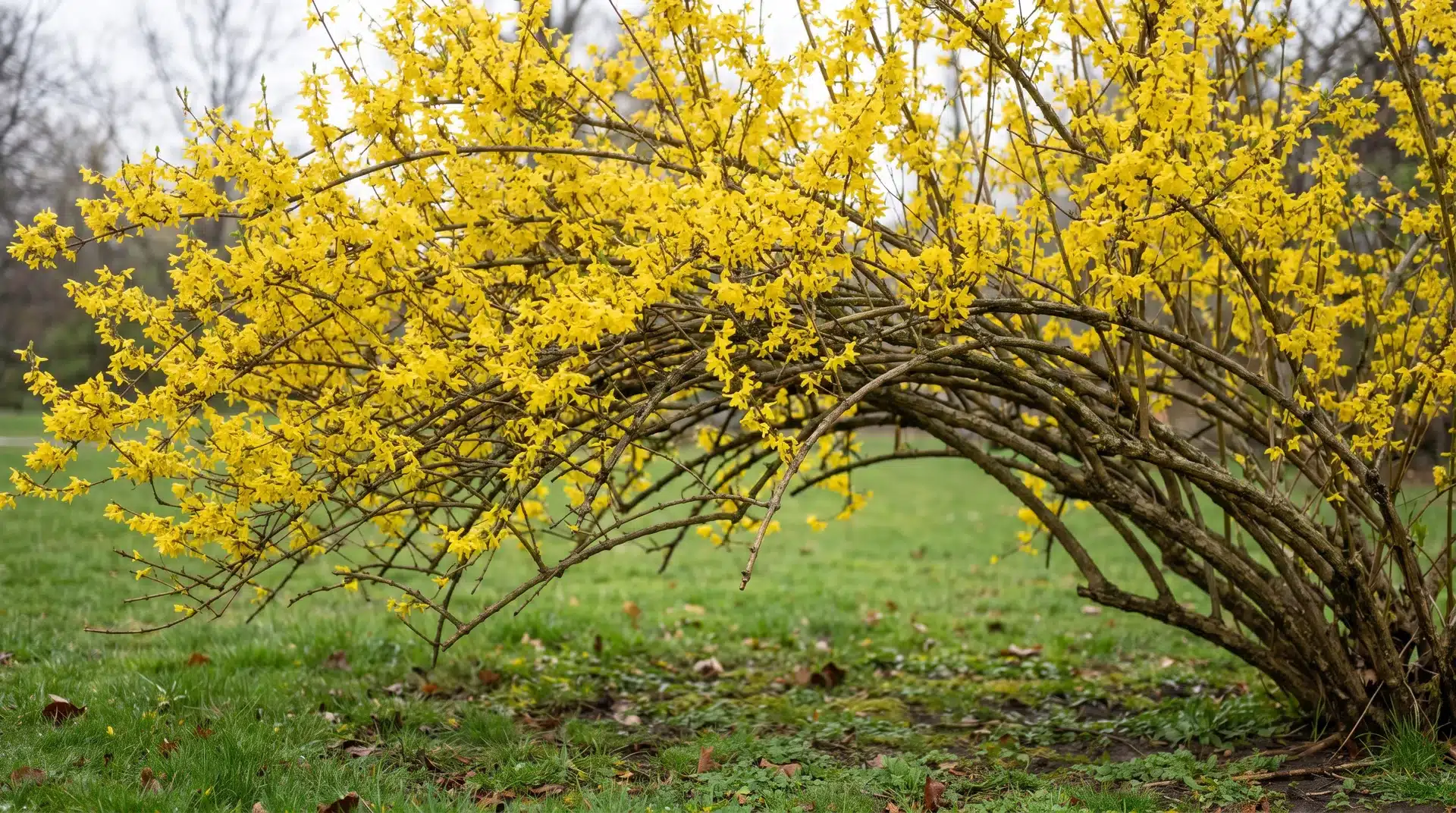
Forsythia produces bright yellow blooms in early spring. Japanese beetles do not feed on it at any point during the season.
It works well as a structural shrub in any bed where you want to lower beetle appeal. Low-maintenance and reliable from one season to the next.
15. Boxwood
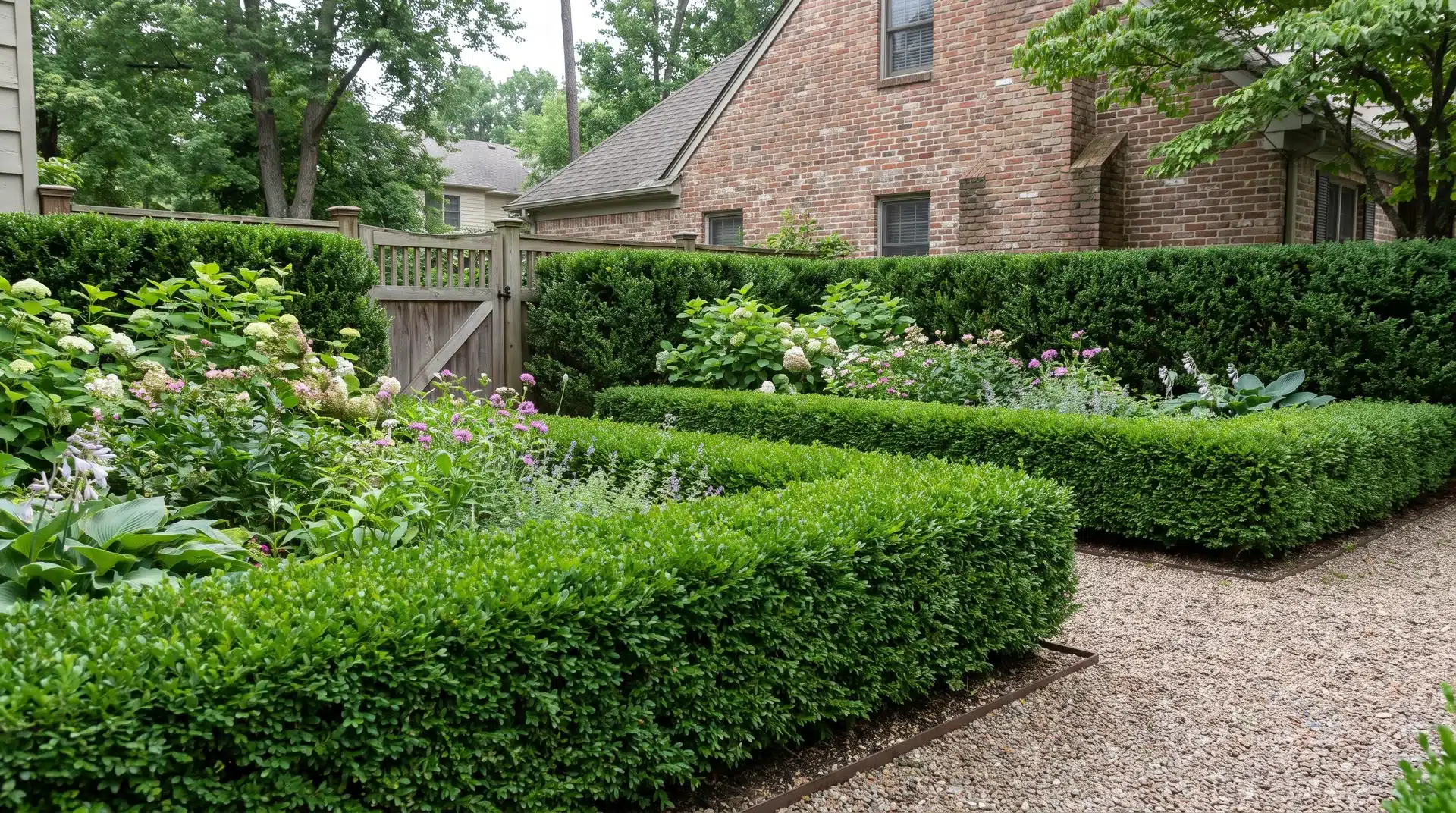
The USDA Japanese Beetle Program Manual lists boxwood as one of the best plants for areas with heavy infestations.
It is evergreen, low-maintenance, and holds no interest for Japanese beetles. Use it as a hedge or border in high-risk zones. Plant it around roses, grapes, or beans that beetles attack every summer.
How to Use These Plants in Your Garden
Where you place these plants matters as much as which ones you choose. Three placement methods get real results in home gardens.
1. The Border Method
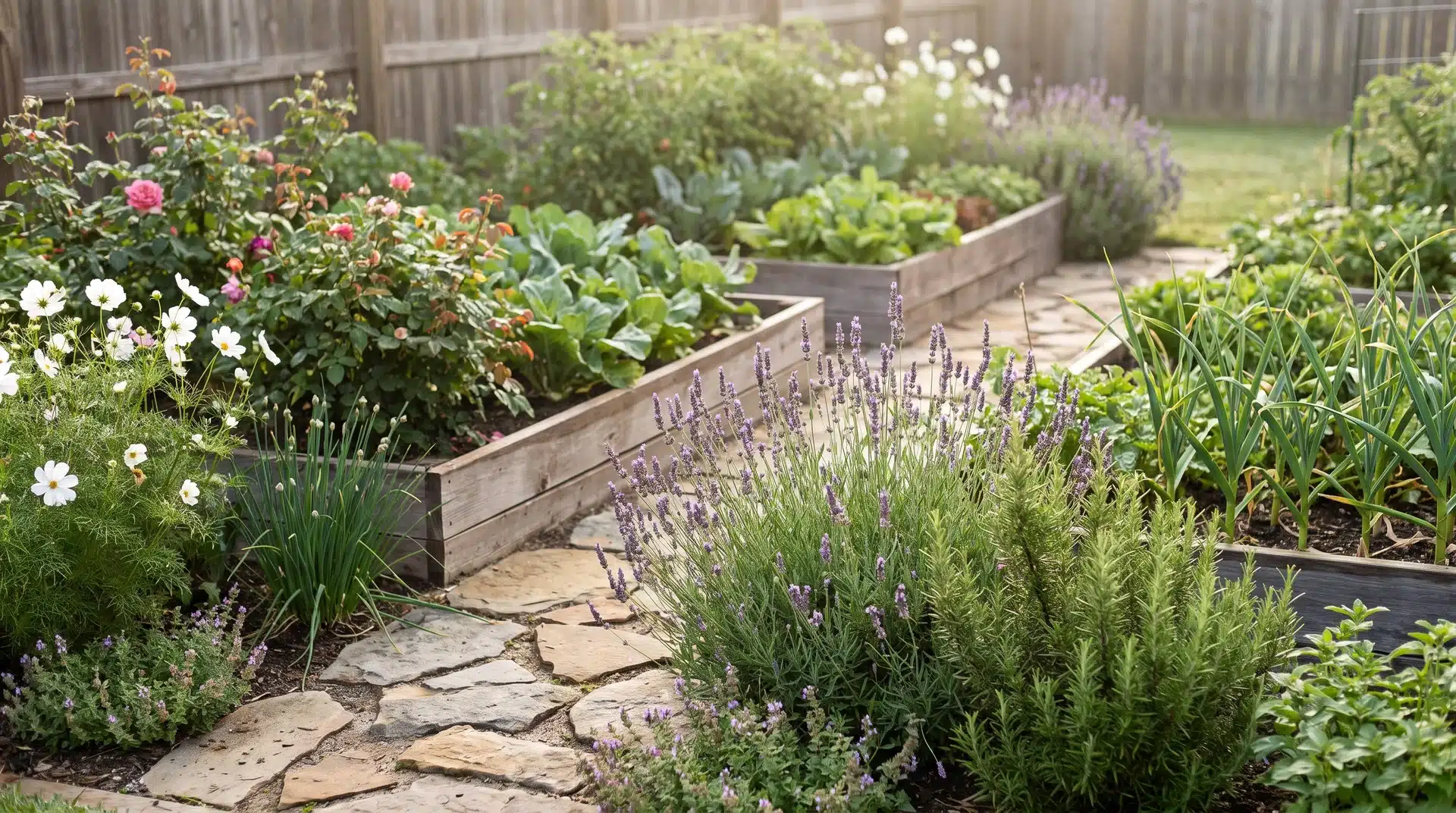
Plant alliums like garlic and chives in a ring around your most vulnerable plants. Roses, raspberries, and beans need this kind of protection most.
The scent perimeter makes those plants much harder for passing beetles to locate. Replace the border plants each season to keep the effect strong.
2. The Interplanting Method
Alternate aromatic herbs, such as thyme or rosemary, between rows of vegetables that beetles target. This spreads the repellent effect across the full bed.
It works especially well in raised beds and mixed vegetable gardens. Even one plant every two to three feet makes a real difference.
3. The Trap Plant Method
Plant white geraniums at least 10 feet away from any crops you want to protect. Beetles feed on them, get paralyzed, and become easy prey for birds and other predators nearby.
Keep geraniums far from your roses and berry plants. Planting them nearby pulls beetles directly toward the crops you want to save.
One more habit worth building: check your plants in the early morning. Japanese beetles move slowly in cooler temperatures.
Pick any you find by hand and drop them into soapy water. When combined with the right repellent plants, this keeps beetle numbers low throughout the season.
Conclusion
Plants that repel Japanese beetles work best when you choose them with a purpose. Place them where beetles do the most damage in your garden.
Garlic, chives, catnip, and rosemary hit beetles where it matters most through scent and chemistry. Lantana, lavender, and yarrow add color to your beds without attracting pests.
Boxwood and lilac give you structure in the spots where beetles cause the most damage year after year.
Use them as borders, between rows, and as trap crops placed well away from your prize plants. Small choices made before beetle season starts pay off across the whole summer.
Which of these plants are you adding to your garden this season? Leave a comment below.
Frequently Asked Questions
1. What Plants Do Japanese Beetles Hate?
Japanese beetles tend to avoid plants like catnip, chives, garlic, rue, tansy, and lavender due to their strong scents and natural deterrent properties.
2. Why Should You Not Squish Japanese Beetles?
Squishing Japanese beetles can release odors that may attract more beetles to the area, potentially increasing infestations instead of reducing them.
3. What Month Do Japanese Beetles Go Away?
Japanese beetles are usually gone by late August or September as adults complete their life cycle and die after the summer breeding season.