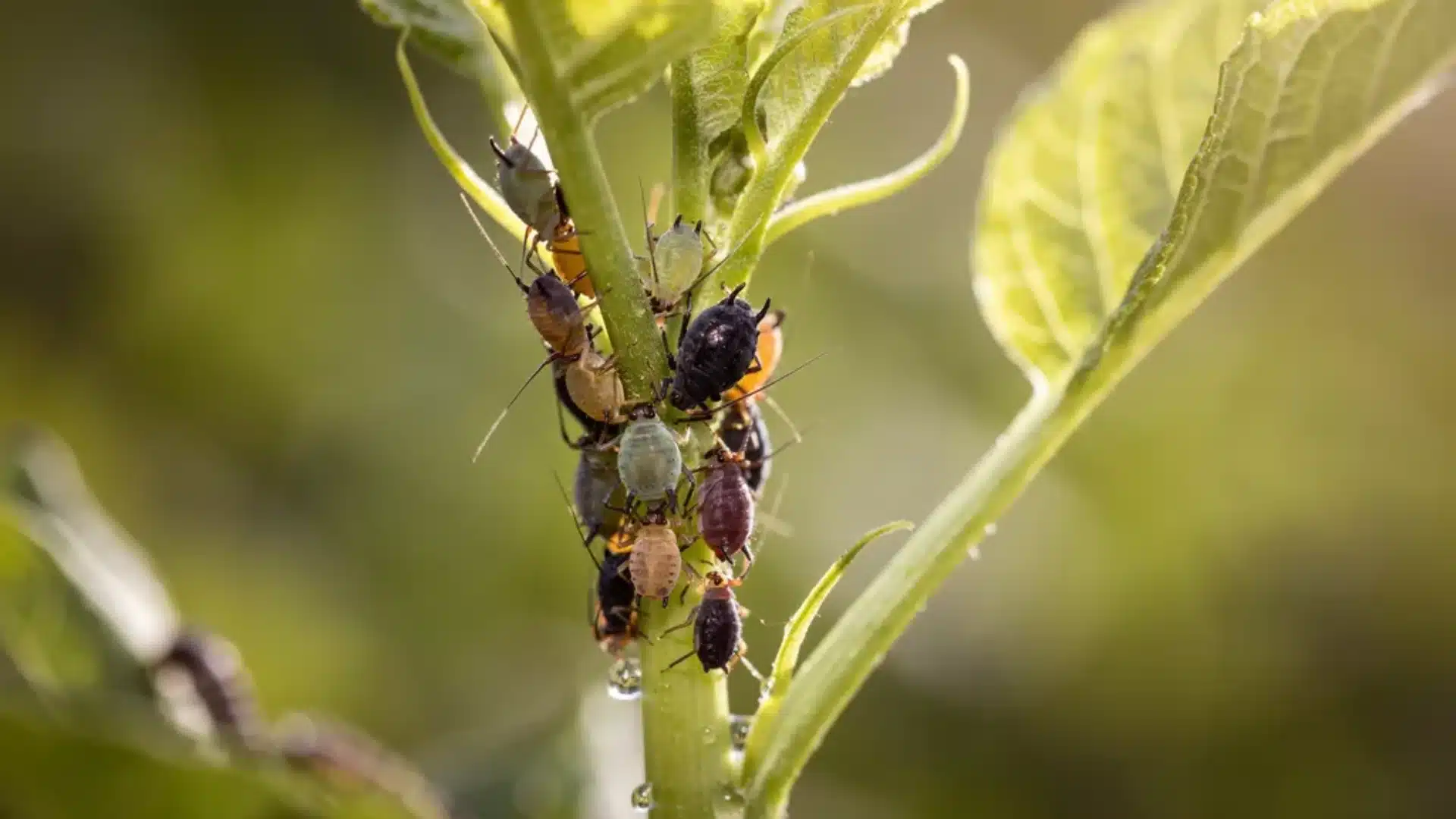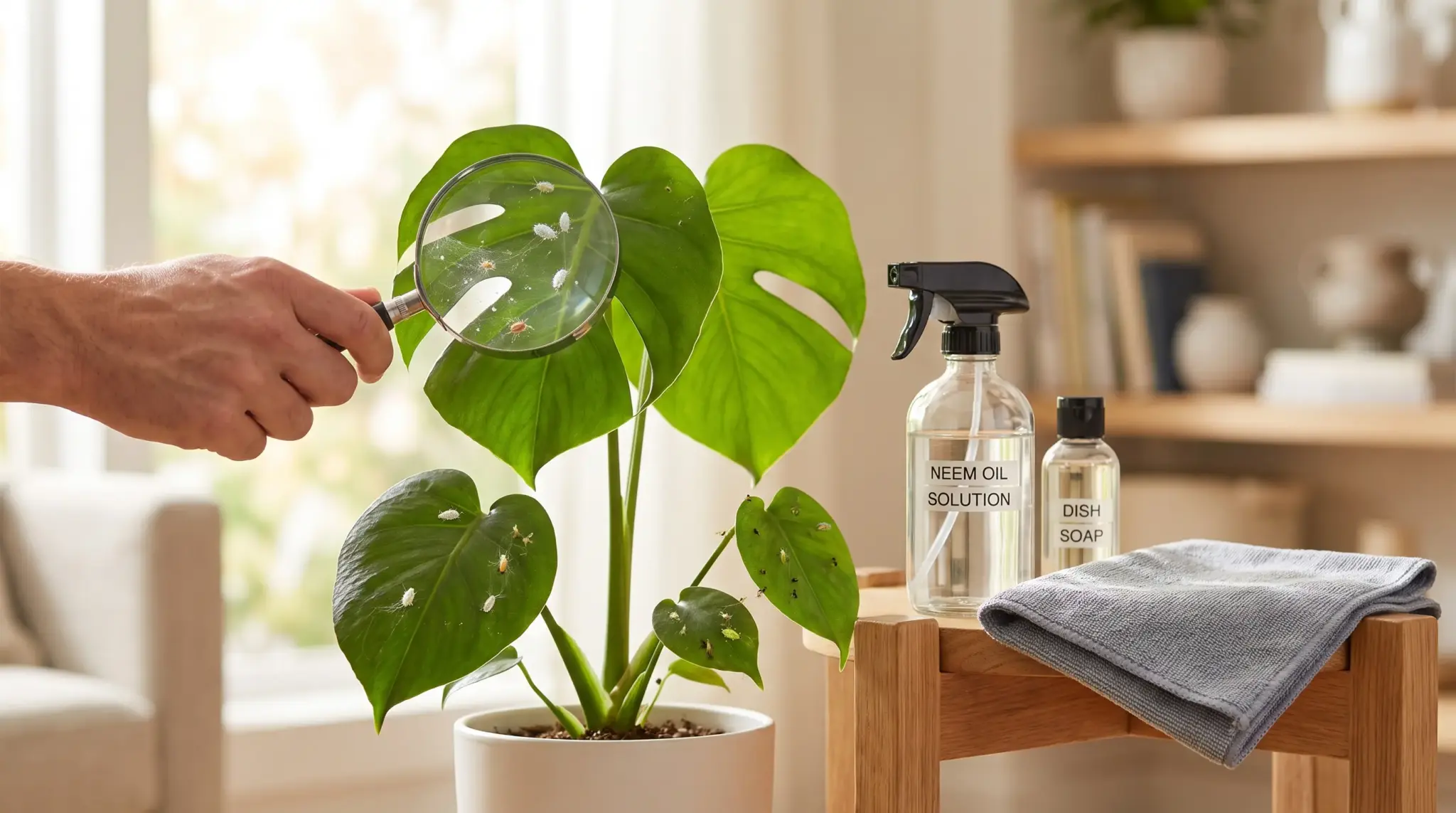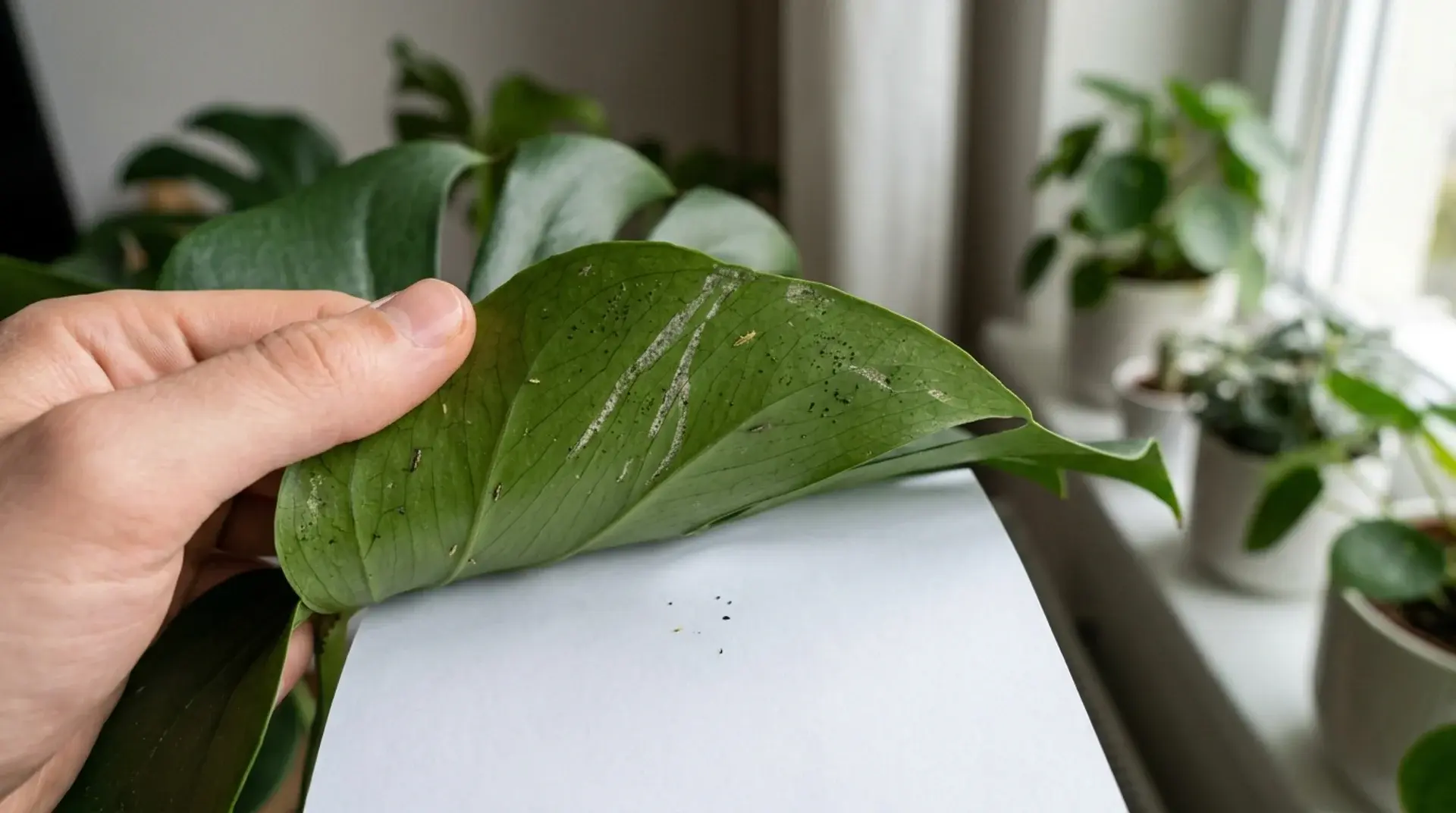

A neighbor texted me a photo of her aphid-covered Meyer lemon at eleven at night and asked which bottle to buy. I get that question more than any other. Both products sit on the same shelf at every garden center in Austin, both labeled organic, both priced within a few dollars of each other.
They kill in completely different ways. Picking the wrong one is the usual reason an organic spray looks like it did nothing. The product was fine. The match was wrong.
Here is how each one works, which pests and plants suit each, and when running both makes sense.
How Each One Kills Insects
Insecticidal soap is made from potassium salts of fatty acids. When the spray lands on a soft-bodied insect, those salts break down its outer waxy coat. The pest loses moisture and dies within hours. The whole effect is physical, and it ends the second the spray dries. No wet spray, no kill.
Azadirachtin-based neem oil works on a longer clock. Azadirachtin is an insect growth regulator. It gets into the insect’s system, blocks the hormone signals that control molting and egg-laying, and the insect stops feeding. Results show up in the pest population in 3 to 5 days rather than in an afternoon. It holds on the leaf surface for 1 to 3 days, and it moves a short distance into plant tissue, so it reaches pests feeding from the inside.
The LSU AgCenter lists azadirachtin as an antifeedant, growth regulator, sterilant, and egg-laying inhibitor, with weak systemic movement that makes it usable as a root drench. That systemic behavior is the practical difference. Soap can only reach what you hit.
The Neem Oil Label Problem
Neem oil is not one product. Two very different things share the name on store shelves, and the labels rarely make it obvious.
Clarified hydrophobic neem oil extract. The common one. The azadirachtin has been stripped out during processing, so it works on contact, much like soap. It smothers eggs and soft-bodied pests, and the EPA lists it as active against mildews and rusts.
Azadirachtin concentrate. The growth-regulator type described above. It reaches immature insects and moves through plant tissue, and it has no fungicidal activity at all.
So the fungus-fighting reputation neem oil carries belongs to the cheaper clarified extract, not to the azadirachtin concentrate people usually buy for pest control. If you are treating powdery mildew and aphids at once, check which active ingredient is printed on the label before you spray.
Neem Oil vs Insecticidal Soap, Side by Side
Factor | Insecticidal Soap | Neem Oil (azadirachtin) |
How it kills | Breaks down the outer coat on contact | Blocks hormone signals, stops feeding and molting |
Speed | Hours | 3 to 5 days |
Residual activity | None once dry | 1 to 3 days on the surface |
Best life stage | Adults and nymphs | Eggs, larvae, nymphs |
Treats fungal disease | No | No (the clarified oil type does) |
Cost | Lower | Higher |
Smell | Mild | Strong |
Plant risk | Lower | Higher above 85°F |
Around pollinators | Safe once dry | Dawn or dusk only, never on open flowers |
Once mixed | Use the same day | Use within 8 hours |
Which Pests Each Product Handles
Soap kills what it physically touches, so it only reaches pests that are out in the open and mobile: aphid adults and nymphs, spider mites, whitefly adults, mealybug crawlers, scale crawlers before they harden off, and thrips feeding on open foliage. Miss the undersides of the leaves and you miss half the population.
Azadirachtin covers the other half. Eggs, larvae, and nymphs take the dose in as they feed and never finish molting.
Because it moves a short way into the plant, a soil drench also reaches sap-suckers feeding from inside the leaf and fungus gnat larvae down in the potting mix. On fully grown adults it does very little, since they have already finished molting.
That gap explains most failed organic sprays. You wipe out every visible aphid on Saturday, the eggs hatch on Tuesday, and by the following weekend the plant looks untouched.
Timing and coverage decide the outcome as much as the bottle does, which is why an indoor plant pest problem so often comes back after a single treatment.
Plants That Burn Easily
Both sprays can scorch leaves. Neem oil does it faster and at lower concentrations, and heat makes it worse. In Austin that means nothing gets sprayed until the evening once we are past 85°F.
Keep neem oil off basil and the soft-stemmed herbs, dill, parsley, and cilantro, because the oil marks them within a day. Thin leafy greens like spinach, lettuce, and arugula burn even at a diluted rate. Ferns, seedlings, and anything transplanted in the last two weeks are too stressed to take it. Succulents and cacti hold the oil against their waxy skin and the tissue underneath can turn black.
Insecticidal soap is gentler, not harmless. Ferns and tender ornamentals show tip burn with repeated use, succulents dry out, and full-strength soap scorches basil. On vegetables, it is the safer choice, and it is labeled for use right up to harvest day. Rinse the produce anyway.
Patch test either one. Spray two leaves, wait 24 hours, and treat the whole plant only if nothing browns.
For houseplants, soap is the easier option indoors. No lingering smell, no oily film on the furniture. Neem works fine indoors too, but the smell is strong enough that I carry the plant to the porch or open a window first.
Mixing the Two in One Sprayer

You can mix them, but there is a pH problem. Azadirachtin holds up best in slightly acidic water, roughly pH 4 to 6, and it breaks down quickly in alkaline conditions. Insecticidal soap mixed with tap water often runs pH 10 or higher. Put them in the same tank and the azadirachtin starts degrading before it reaches the plant.
Alternating on separate days works better:
Day 1: Insecticidal soap, to knock the adult population down fast.
Day 3 to 5: Azadirachtin neem oil, to catch survivors and stop the next generation.
Ongoing: Alternate every 5 to 7 days through peak pest season.
If you do tank-mix them anyway, drop the rate of each: about 1% soap and 0.5% to 1% neem instead of full strength on both. Use warm distilled or softened water, and spray it immediately, because the combination degrades faster than either product alone. Rate matters more than schedule here, and most leaf burn starts with incorrect neem oil dilution.
Which One to Buy First

Buy the soap first. It is cheaper, it is the one you reach for when something is already crawling on the plant, it is safe close to harvest, and it is the safer bet on plants that react to oils. For a first outbreak, an aphid outbreak indoors especially, soap solves the problem the same afternoon.
Neem oil earns its place the second time the same pest shows up. Prevention, the immature stages, gnat larvae in the soil, and long stretches between sprays are all its territory. Gardeners who deal with recurring pressure season after season end up owning both, and one bottle of each covers nearly everything a home gardener runs into.
Your Situation | Reach For |
Active aphid outbreak today | Insecticidal soap |
Preventing pests before they appear | Neem oil |
Powdery mildew or black spot | Clarified neem oil extract |
Fungus gnats in the soil | Neem oil as a soil drench |
Thrips infestation | Insecticidal soap |
Whitefly eggs and adults | Both, alternating |
Mealybug crawlers | Both, after manual removal |
About to harvest vegetables | Insecticidal soap |
Budget is the main concern | Insecticidal soap |
What Lives on My Shelf
A quart of soap concentrate and a small bottle of azadirachtin sit above my potting bench, and the soap gets used about ten times as often. Neem comes out when the same pest returns for a second round.
My hives are twenty feet from the vegetable beds, so both go on at dusk and never on open flowers. If you are buying one bottle this season, make it the soap, then add neem oil the first time something comes back.
Which one actually cleared your worst infestation? Tell me in the comments.
Frequently Asked Questions
Is Dawn dish soap the same as insecticidal soap?
No. Dish detergent strips leaf cuticles and is not formulated or labeled as a pesticide. Use a registered insecticidal soap made from potassium salts of fatty acids.
What plants cannot be sprayed with neem oil?
Basil, dill, parsley, cilantro, spinach, lettuce, arugula, ferns, succulents, cacti, seedlings, and recent transplants. Heat above 85°F raises burn risk on almost any plant.
Does insecticidal soap kill beneficial insects?
Yes, on contact. It kills any soft-bodied insect it wets, including lacewing larvae. Spray at dawn or dusk, and keep it off open flowers.
Can I spray both on the same day?
Not in one tank. Soap raises the pH and degrades azadirachtin. Space them 2 to 4 days apart so each works in its own range.