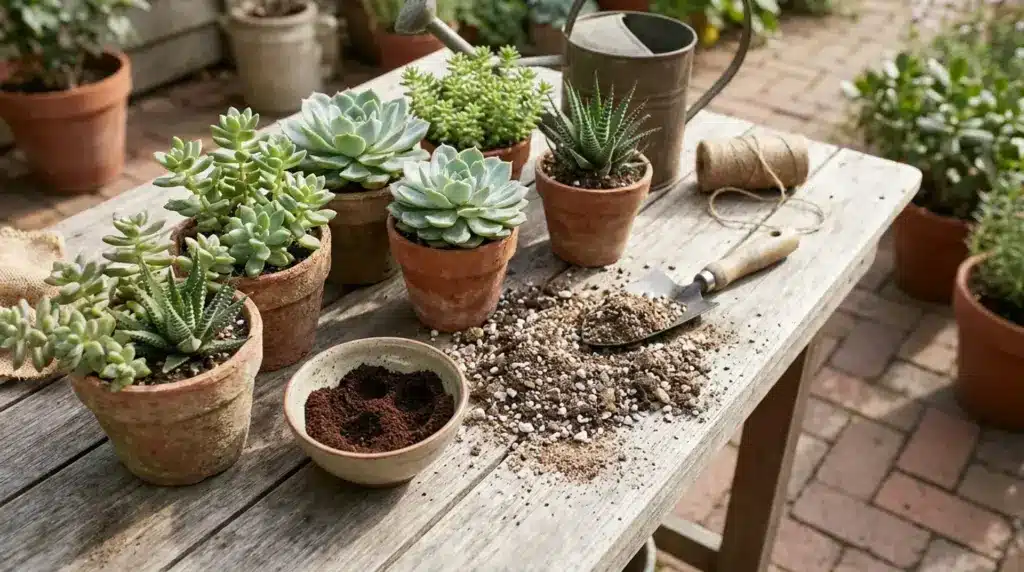
Coffee grounds are good for succulents only in small amounts. Spent, fully dried grounds add organic matter and a little nitrogen, but they hold moisture and can slow growth when used raw. Compost them first, or mix in no more than 1 part grounds to 10 parts gritty soil at repotting.I killed a perfectly healthy echeveria with coffee grounds last spring. I scooped them straight from the filter, packed a thick layer on top of the soil, and watered like normal. Within two weeks, the leaves at the base were mushy and dark. The roots were already gone.
That one dead plant taught me a lot about coffee grounds and succulents. The grounds themselves weren’t the problem. The amount, the prep, and the timing were.
Here’s how I use them now, and when I leave them in the compost bin instead.
Are Coffee Grounds Good for Succulents?
In small amounts, yes. Spent coffee grounds add organic matter and a little nitrogen. Oregon State University Extension puts that nitrogen at about 1% to 2%, which helps a compost pile but isn’t much of a meal for a plant.
Raw grounds come with two catches. As they break down, soil microbes use up nitrogen to do the work, so grounds fresh from the filter can briefly leave less nitrogen for the plant. OSU Extension also notes that caffeine left in spent grounds can slow growth in some plants.
Succulents make both issues worse. They grow in lean, fast-draining soil and can’t sit in moisture. Coffee grounds hold water a lot like peat moss does, so too much, too often, or too wet tips a pot toward rot.
That’s exactly what happened to my echeveria.
Do Coffee Grounds Make Succulent Soil More Acidic?
Not much, once they’re brewed. Most of the acid washes into your cup, and OSU Extension puts spent grounds at about pH 6.5 to 6.8, which is close to neutral.
Succulents grow well in slightly acidic to neutral soil, so spent grounds rarely shift pH enough to matter. Unbrewed grounds are a different story. They’re more acidic and carry more caffeine.
I tried both on the same batch of potting mix (one cheap pH meter, two yogurt cups), and the fresh grounds read noticeably lower within a week. Unbrewed grounds stay out of my pots for good.
What Is Actually in Coffee Grounds
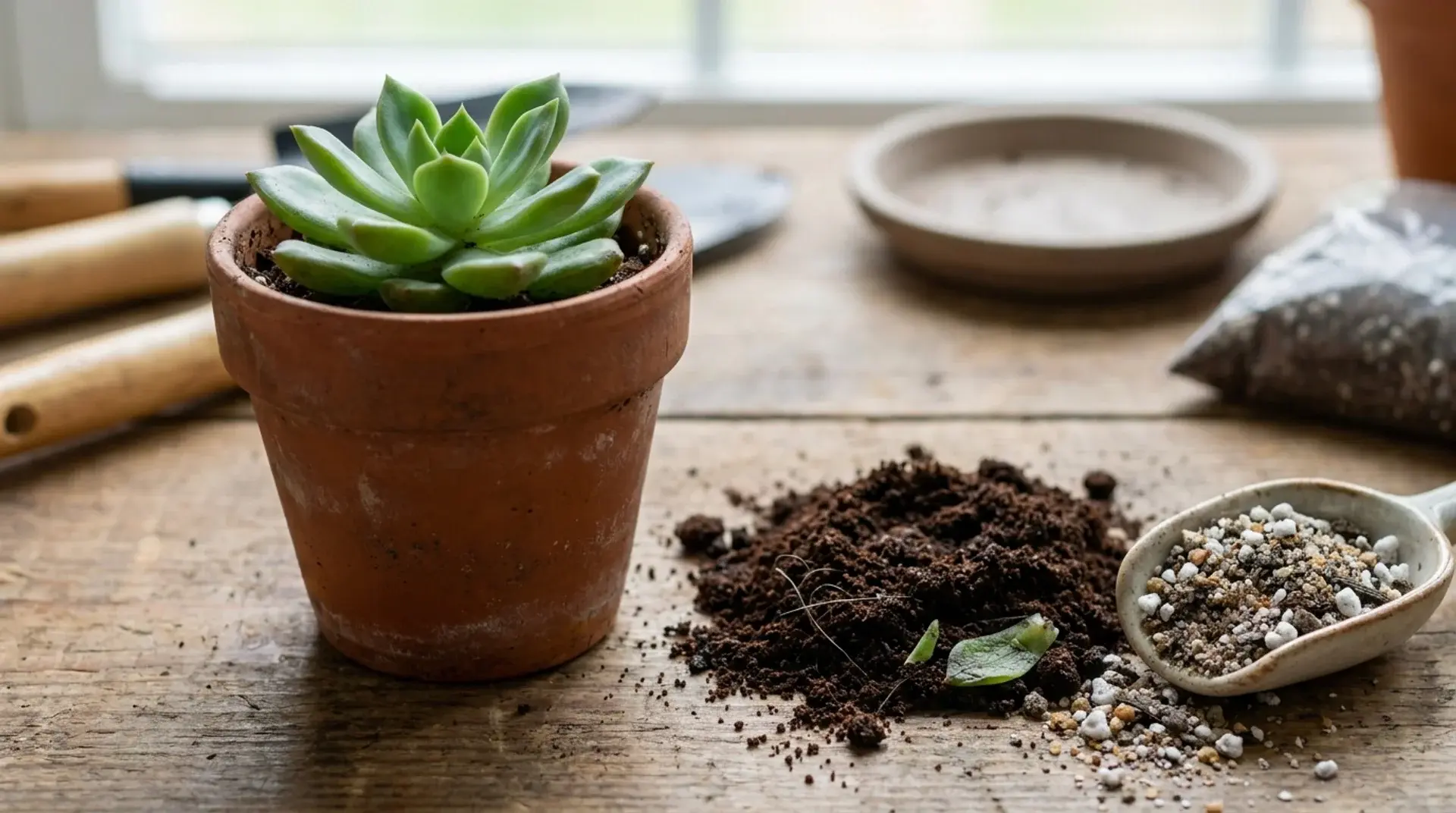
Spent grounds are mostly carbon-rich organic matter with about 1% to 2% nitrogen, plus small amounts of potassium, phosphorus, and magnesium. Nitrogen feeds leaf growth, and the rest help with roots and stress tolerance.
For heavy feeders like tomatoes or leafy greens, that mix is useful. Succulents need far less of all three, which is why a little goes a long way and a lot goes wrong fast.
Benefits and Risks of Coffee Grounds for Succulents
A little organic material and gradual nutrition can help, but extra moisture and residual caffeine come along for the ride. Grounds replace neither a proper fertilizer nor a free-draining growing mix.
Category | Effect | Details |
|---|---|---|
Benefit | Small nutrient boost | A little nitrogen and potassium, released slowly as the grounds break down. |
Benefit | Soil microbial activity | Decomposing grounds feed soil microbes that help break down organic matter. |
Benefit | Added organic matter | Dried grounds improve soil structure, but only when mixed into a gritty succulent blend. |
Risk | Moisture retention | Grounds absorb and hold water, keeping soil damp longer than succulents can tolerate. |
Risk | Reduced airflow | Thick layers compact into a crust that blocks air from reaching the roots. |
Risk | Nitrogen tie-up | Raw grounds can briefly lock up nitrogen while microbes break them down. |
Risk | Root stress from fresh grounds | Unbrewed grounds carry more caffeine and acidity, which can stress sensitive root systems. |
Risk | Mold growth | Wet grounds left on the soil surface encourage mold and fungus gnats, especially in humid spots. |
Grounds are a small add-in. They don’t replace a succulent fertilizer or a fast-draining mix.
Indoor Potted Succulents vs Outdoor Garden Succulents
Where your succulent lives changes how risky coffee grounds are.
Outdoor beds drain faster and dry out between rains. If you grow succulents in the ground, whether that’s hardy sedum and hens and chicks up north or echeverias in Zone 9 and warmer, a thin scattering of composted grounds is far more forgiving.
Indoor pots are another story. Water has nowhere to go and air barely moves, so any moisture the grounds hold just sits there. For my indoor succulents, grounds only go in when I repot in spring, and never between October and February.
How I Use Coffee Grounds on Succulents Safely
This is the method I settled on after the echeveria disaster (attempt number three, for the record).
Compost them first when I can: Finished compost is gentler than raw grounds because the breakdown already happened in the bin (the same step I take before using coffee grounds as fertilizer anywhere else).
Use only spent, brewed grounds: Unbrewed grounds never go in a pot.
Dry them first: I spread them on a baking sheet for one to two days, stirring once, until they feel like loose sand.
Mix them into the soil at repotting: I keep it to about 1 part grounds to 10 parts gritty succulent mix, and they never sit as a layer on top.
Apply during active growth only: For most succulents, I repot between March and May, when roots are growing and the soil dries faster.
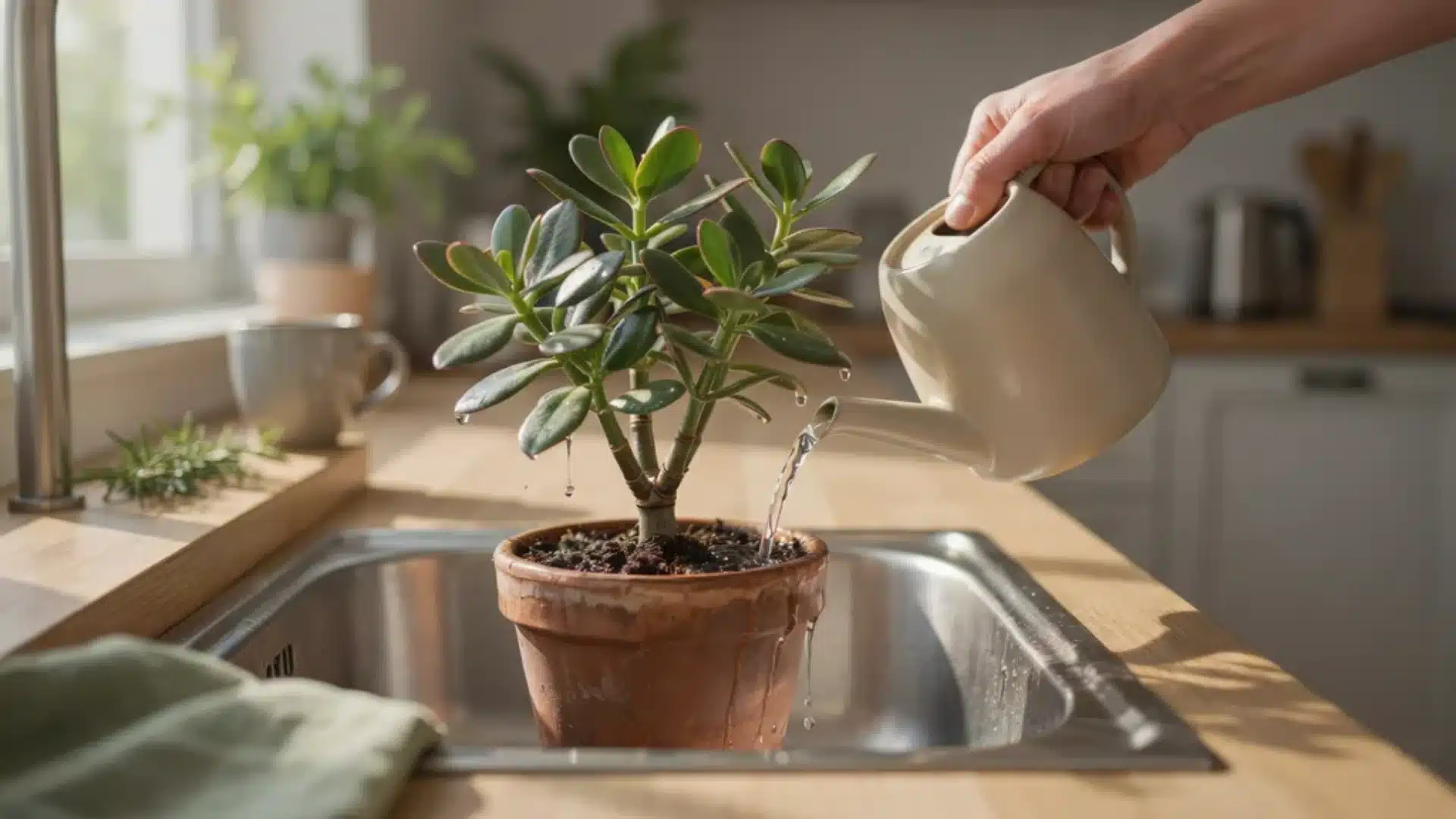
Water normally: The soil dries out fully between waterings. I check by pushing a wooden skewer about 2 inches down, and if it comes out damp, I wait.
Between repots, I don’t add more grounds. If the plant needs feeding, it gets a diluted succulent fertilizer instead.
When I Skip Coffee Grounds Completely
There are a few situations where my grounds go straight to the compost bin.
Propagation: Leaves and cuttings need a plain, fast-draining mix while they root. When I’m growing succulents from leaves, they sit on bare gritty mix and nothing else.
Pots without drainage holes: Water already has nowhere to go, and grounds make it worse.
Small pots in dim rooms: A 4-inch pot on a shaded shelf dries slowly on its own.
Plants that are already struggling: A sad succulent usually needs more light or less water, not more food.
Fall and winter: Most succulents slow down from October to February, and anything that holds moisture becomes a problem.
Signs Coffee Grounds Are Hurting Your Succulent
If grounds are already in the pot and something looks off, let’s figure out what we’re looking at.
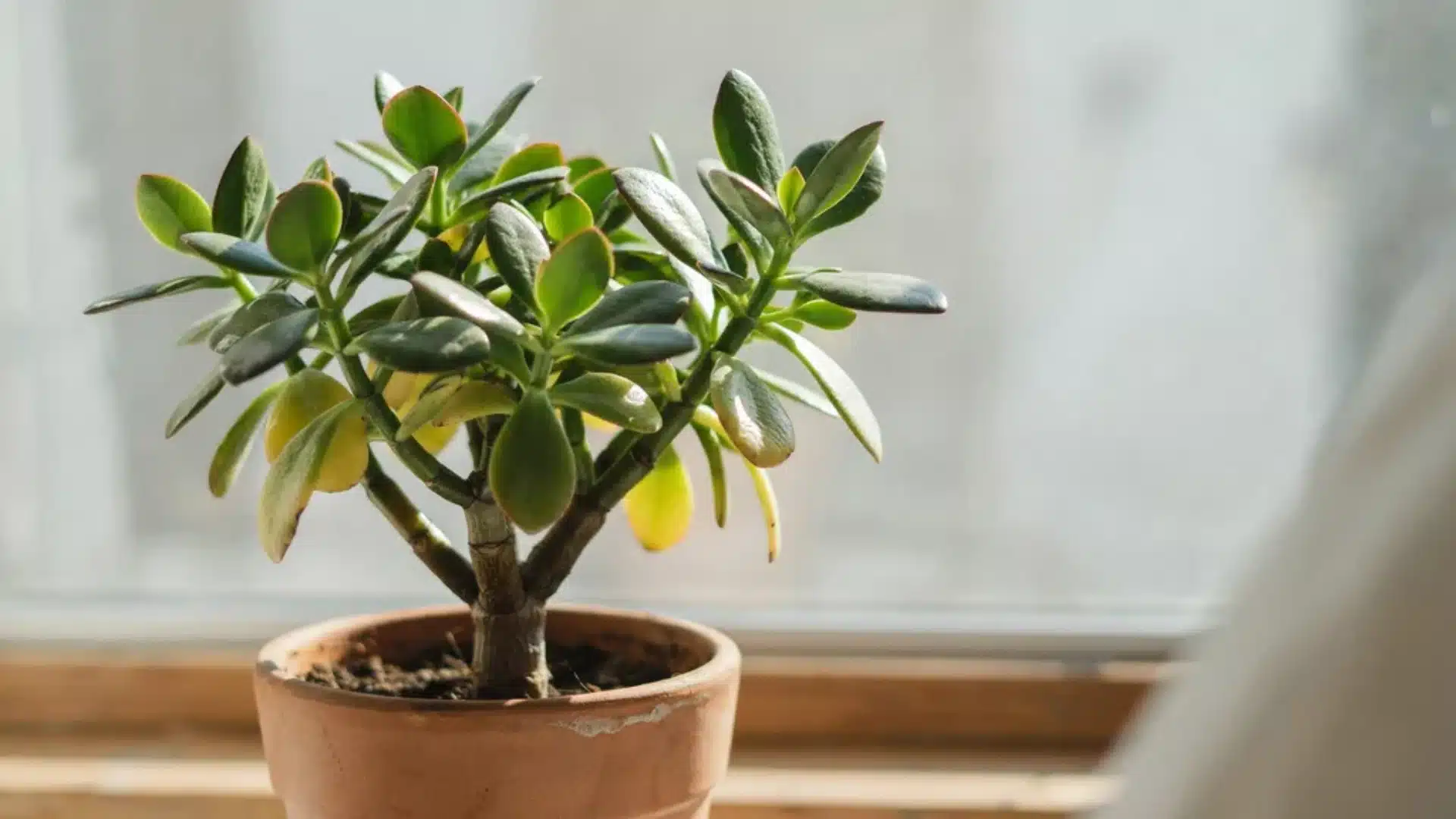
Mushy, dark leaves near the base: This often means root rot has started underground.
A sour or moldy smell from the soil: The mix is staying wet too long.
White fuzz on the surface: It’s usually harmless mold, but it tells you the top layer isn’t drying.
Tiny flies around the pot: These are usually fungus gnats in houseplants, and their larvae live in damp, organic soil.
Soft, stretched, extra-lush growth: Too much nitrogen can cause this, but low light is the more common cause, so I check the window first.
If you spot any of these, stop adding grounds and let the soil dry out fully. If the roots are brown and soft, I repot into fresh, gritty mix and trim off anything mushy first.
What I Feed My Succulents Instead
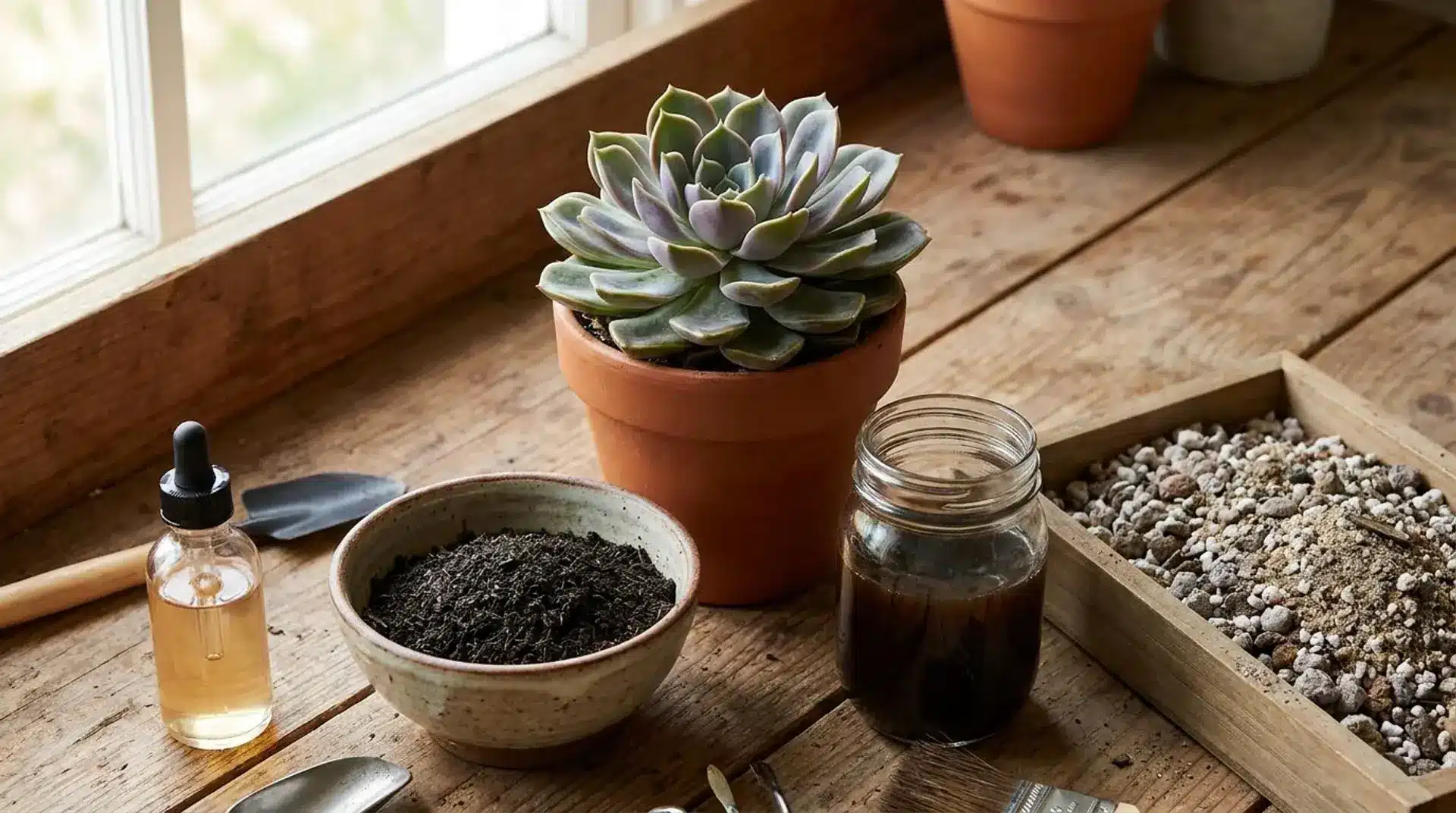
Coffee grounds are only one of the homemade fertilizers for indoor plants I’ve tested, and for potted succulents they aren’t my first pick.
Diluted succulent fertilizer: A low-nitrogen cactus and succulent formula matches what these plants need. I use it at half strength about once a month from April through August.
Worm castings: A small handful mixed in at repotting gives a gentle, slow-release boost with no caffeine to worry about.
Weak coffee “tea.” I soak spent grounds in water overnight and strain them out, so the plant gets a sip of nutrients with no solids left to rot. I dilute it until it looks like weak tea and use it once a month in summer at most.
Sometimes the Best Thing to Add Is Nothing
My third echeveria is two years old and has never touched a raw coffee ground. It gets gritty soil, a bright window, and a little diluted fertilizer in summer, and it looks better than the first two ever did. Succulents reward restraint more than extras.
If you’ve got more grounds than succulents, plenty of houseplants that like coffee grounds will happily take them.
Frequently Asked Questions
Can Coffee Grounds Replace Succulent Fertilizer?
No. Spent grounds have only about 1% to 2% nitrogen and release it slowly. A diluted, low-nitrogen succulent fertilizer is far more reliable.
Should Coffee Grounds Go In Succulent Soil Or On Top Of It?
In, never on top. A surface layer traps moisture and can crust over. Dried grounds mixed lightly into gritty soil are much safer.
Are Coffee Grounds Good for Cactus Too?
The same rules apply, since cacti need lean, fast-draining soil too. Use dried, spent grounds sparingly, or compost them first.
What Is the Best Natural Fertilizer for Succulents?
Worm castings and finished compost, used in small amounts at repotting, are the gentlest natural options. Both release nutrients slowly.
Can Coffee Grounds Cause Mold In Succulent Pots?
Yes. Wet grounds, especially on the surface, often grow white or green mold. Drying them first and mixing them in lowers the risk.