
You’ve got a pile of used coffee grounds sitting next to the sink, and you’ve heard plants like them. You’ve also heard they can kill plants.
Both things are true, depending on which plant, which type of grounds, and how you use them.
I’ve tested most of the methods below on my own plants, including a wet-grounds mistake that cost me a fern. Knowing which plants benefit and which ones should never get coffee grounds saves you that kind of trial and error.
This guide covers which indoor plants respond well to coffee grounds, which ones to skip entirely, and how to apply them without causing mold, root rot, or fungus gnats.
There’s also a section on combining coffee grounds with eggshells, a common pairing that rarely gets explained in enough detail.
Are Coffee Grounds Actually Good for Indoor Plants?
The honest answer is: sometimes, and probably not in the way you think.
Most people assume coffee grounds are strongly acidic. They’re not, at least not after brewing. Fresh, unbrewed grounds sit at a pH of around 4.5 to 5.
Used, brewed grounds land much closer to neutral, usually pH 6.0 to 6.8. That’s barely acidic at all.
This matters because a lot of the advice floating around treats coffee grounds as an acid booster. That’s true for fresh grounds, but used grounds won’t shift your soil pH in any meaningful way.
If you’re trying to acidify soil for a specific plant, a dedicated soil acidifier does the job. Leftover espresso doesn’t.
What used coffee grounds actually provide:
- Nitrogen, released slowly as the grounds break down, which supports leafy green growth. A plant showing pale leaves and stalled growth is usually dealing with a nitrogen deficiency that a slow-release feed like this can help correct.
- Trace minerals, including potassium, phosphorus, calcium, and magnesium
- Improved soil texture and aeration when mixed in correctly
- Food for beneficial soil microbes
The real risk with coffee grounds isn’t acidity. It’s moisture. Wet grounds compact easily, form a crust on the soil, block drainage, and create conditions that mold and fungus gnats love. Every problem people report with coffee grounds traces back to this, not to pH.
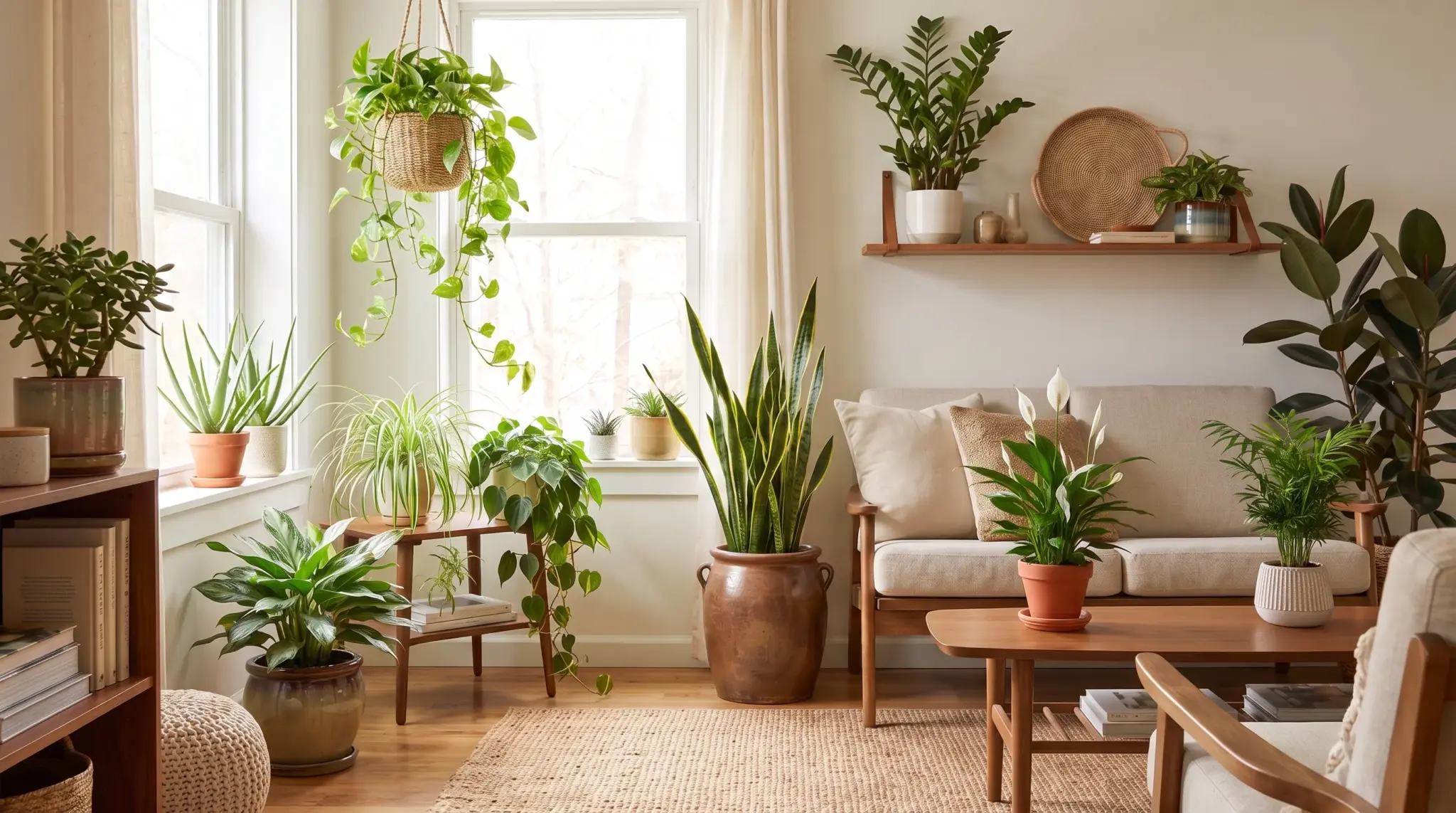
9 Indoor Plants That Like Coffee Grounds
These plants respond well to the nitrogen and trace minerals in used grounds. For each one: why it works, how to apply it, and how often.
1. African Violet (Saintpaulia)

African violets are probably the clearest example of a houseplant that benefits from coffee grounds. They rely on nitrogen for strong foliage and stem growth, and mine put out noticeably fuller leaves after a few rounds of careful application.
Mix a small amount of dried grounds into the potting soil when repotting. You can also pour coffee or tea around the base of the plant.
One important rule: never apply coffee or tea as a foliar spray on African violets. The leaves are sensitive to moisture and will develop brown spots.
How often: every 6 to 8 weeks, via top dressing or by mixing into potting soil at repotting.
2. Pothos (Epipremnum Aureum)

Pothos isn’t an acid-lover. It benefits from coffee grounds for a simpler reason: it’s a fast-growing foliage plant that uses a lot of nitrogen, and used grounds release it slowly. Steady nitrogen is a big part of what keeps pothos vines full instead of leggy.
It’s also one of the more forgiving plants on this list if you slightly overdo it, which makes it a good starting point if you’ve never tried this before.
Dilute 1 tablespoon of used dried grounds in 1 gallon of water, steep for 24 hours, strain out all solids, and pour around the base.
How often: once a month during spring and summer. Stop in autumn and winter.
3. Peace Lily (Spathiphyllum)

Peace lily responds well to nitrogen for foliage, and the moisture retention coffee grounds provide suits its preference for consistently damp soil.
A peace lily that has stopped blooming often just needs that nitrogen nudge, the kind of detail covered in more depth in peace lily care indoors.
Coffee, tea, or composted grounds mixed into potting soil all work.
How often: once a month during the growing season for liquid application, every 6 to 8 weeks for top dressing.
4. Heartleaf Philodendron (Philodendron Hederaceum)

Fast-growing, nitrogen-hungry, and tolerant of occasional variation in care. Heartleaf philodendron responds well to coffee grounds as a monthly feed during the growing season.
Same method as pothos: diluted coffee tea applied to the soil, not the leaves.
How often: once a month from spring through summer, stop completely from September onward.
5. Boston Fern (Nephrolepis Exaltata)

Ferns prefer slightly acidic, moist, nitrogen-rich soil, which puts them in a good spot for coffee grounds when used carefully.
The catch is that ferns already sit in humid conditions, especially in a bathroom. Adding wet grounds to an already moist environment is a fast route to mold, which is exactly how I lost one.
Always use dried grounds for ferns. Mix them with compost and work lightly into the top layer of potting soil. Keep grounds away from the fronds entirely.
How often: every 4 to 6 weeks, dried and composted only.
6. Spider Plant (Chlorophytum Comosum)

Spider plants benefit from the slow-release nitrogen but can turn sensitive to excess acidity over time. Use these less often than the other plants on this list, and stop if you see yellowing leaves.
That’s a sign of overuse, not under-watering.
Diluted coffee tea applied to the soil is the safest method. Skip top dressing for spider plants.
How often: once every 6 to 8 weeks at most. Watch the leaves.
7. Snake Plant (Sansevieria / Dracaena Trifasciata)

Snake plants benefit from the trace minerals in coffee grounds, especially for maintaining strong, dark green foliage. The nitrogen is a bonus, but snake plants store water in their leaves and strongly prefer dry soil.
Wet coffee grounds sitting on the surface of a snake plant’s pot will cause root rot faster than almost any other mistake.
Composting grounds and mixing sparingly into potting soil at repotting is the only method worth using here. Never top-dress a snake plant with wet or fresh grounds.
How often: very sparingly, once every 8 to 12 weeks maximum, dry and composted only.
8. Jade Plant (Crassula Ovata)

Jade plants are slow-growing and don’t need much feeding, which is a big part of why watering a jade plant correctly matters more than how often you feed it.
The occasional application of composted coffee grounds provides trace minerals that support compact, healthy growth, but this is a light feeder. A little goes a long way, and too much will stress the plant.
Composted grounds mixed into potting soil at repotting is the preferred method. Avoid any direct wet application.
How often: once every 8 to 12 weeks, composted only. Skip entirely in winter.
9. Christmas Cactus (Schlumbergera)

This one surprises people. It’s a cactus, but it behaves nothing like a desert cactus.
The Christmas cactus is native to Brazilian rainforests, grows in organic debris, and prefers moist, slightly acidic soil. Coffee grounds suit it well, particularly diluted coffee tea during the growing season.
The confusion happens because people see “cactus” and assume it’s the same as a succulent or a desert cactus. It isn’t. The next section covers why regular cacti and succulents should skip coffee grounds entirely.
How often: once every 4 to 6 weeks during the growing season. Stop completely in winter dormancy.
What Indoor Plants Don’t Like Coffee Grounds?

This section matters as much as the one above. A few plants keep showing up in coffee-grounds advice that genuinely shouldn’t get anywhere near them.
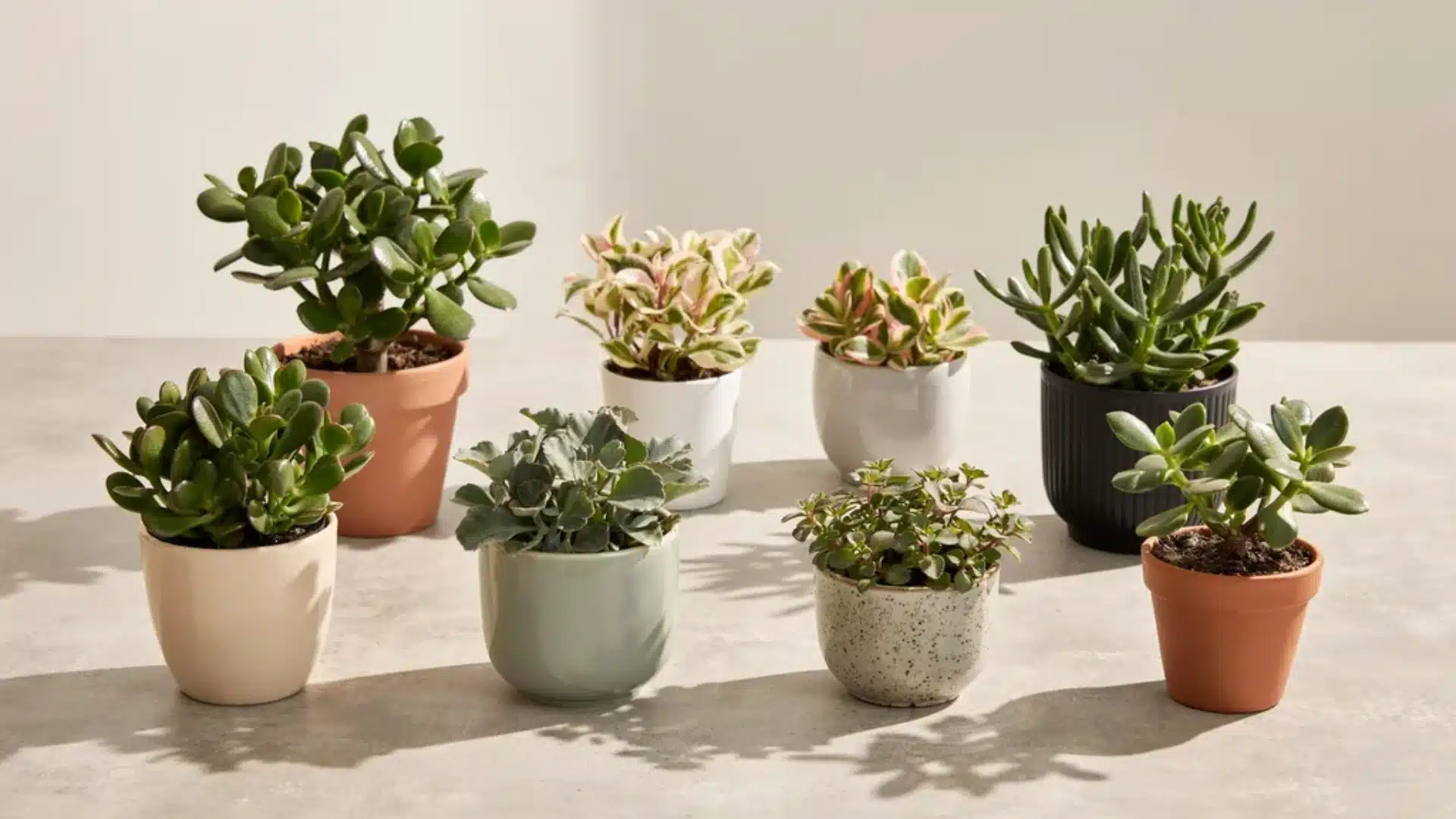
- Cacti (except Christmas cactus): Most cacti thrive in dry, fast-draining soil, which is also the main reason coffee grounds and succulents don’t mix. The added moisture raises the risk of root rot and root damage.
- Orchids: Orchids grow in airy bark mixes rather than traditional soil. Coffee grounds clog the growing medium, reduce airflow around the roots, trap excess moisture, and eventually cause root suffocation and decay.
- ZZ Plant (Zamioculcas zamiifolia): ZZ plants store water in underground rhizomes and prefer the soil to dry completely between waterings. Coffee grounds increase moisture, making root rot far more likely over time.
- Lavender and Rosemary: Lavender thrives in dry, well-drained, slightly alkaline soil. Coffee grounds retain moisture and slightly increase acidity, working against healthy growth and longevity.
- Fiddle Leaf Fig (Ficus lyrata): Fiddle leaf figs are sensitive to changes in soil conditions. Coffee grounds can alter moisture levels and soil balance, making an already temperamental plant harder to maintain and recover.
- Any plant in poor health: A struggling plant needs the underlying problem fixed first, whether it’s watering, light, pests, or disease. Coffee grounds aren’t a remedy and may add unnecessary stress instead.
How to Use Coffee Grounds on Indoor Plants Safely

How you use coffee grounds matters more than how much you use. Most problems trace back to application errors, not overuse.
For a full breakdown of ratios and mixing methods across every plant type, how to use coffee grounds as fertilizer covers the fundamentals this section builds on.
Step 1: Always Dry Your Grounds First
This is the most skipped step and the source of most problems. Wet grounds compact into a dense layer that sits on the soil surface, blocks drainage, and supports mold growth within days.
Spread the used grounds in a thin layer on a baking sheet or flat plate. Let them dry for one to two days until they’re crumbly and no longer clump together.
Step 2: Choose an Application Method
Top Dressing
Sprinkle a thin layer, no more than a quarter inch deep, around the base of the plant. Keep grounds away from the stem. Work lightly into the top of the soil with a finger or a small tool. Don’t pile them up or leave a solid crust.
Best for: pothos, peace lily, philodendron.
Mix Into Potting Soil
Use a ratio of 1 part dried grounds to 3-4 parts potting mix. Do this only at repotting time, not by digging into established roots. This is the gentlest method and the one least likely to cause problems.
Best for: African violet, Boston fern, jade plant.
Coffee Tea (Liquid Feed)
Mix 1 to 2 tablespoons of used dried grounds per 1 gallon of water. Steep for 24 to 48 hours. Strain out any solids before use, then apply slowly to the soil around the plant. Don’t apply as a foliar spray except for the peace lily. Never use on African violet leaves.
Best for: pothos, peace lily, Christmas cactus, philodendron.
Compost First, Apply Later
The safest method overall. Add grounds to a compost pile at no more than 20% of the total volume. Let them fully decompose before mixing into potting soil. Composted grounds are pH-neutral and much less likely to cause moisture or mold problems.
Best for: snake plant, jade plant, any plant you’re uncertain about.
How Often to Apply
- Top dressing and potting mix: every 6 to 8 weeks
- Coffee tea liquid: once a month during spring and summer. Stop from September onward.
- Composted grounds: at repotting, roughly every 1 to 2 years
Signs of overuse: yellowing leaves, slowed growth, white mold on the soil surface, or a sudden increase in fungus gnats. If you see any of these, stop applying for 4 to 6 weeks and see if the plant recovers.
Can You Use Coffee and Eggshells Together on Indoor Plants?
Yes, and the combination is actually more forgiving than either one used alone.
Coffee grounds and eggshells partially offset each other’s effects. Coffee grounds add nitrogen and increase moisture retention, and slightly lower soil pH over time. Crushed eggshells add calcium, improve drainage when crushed coarsely, and push soil pH slightly in the alkaline direction.
Used together, they balance out into a soil amendment that’s lower-risk for plants that don’t strongly prefer acid or alkaline conditions. If coffee grounds aren’t sitting in your kitchen, rice water for plants works as a gentler stand-in for the same nitrogen boost.
How to use them together:
- Dry both completely before use. Rinse eggshells and let them dry for a day. Dry coffee grounds on a flat surface as described above.
- Crush eggshells finely or coarsely, depending on the goal. Fine powder releases calcium faster. Coarse pieces improve drainage and break down slowly.
- Mix dried grounds and crushed eggshells together in roughly equal parts with compost or potting soil.
- Don’t layer them separately on top of the same pot. Both need to be worked into the soil or composted to do anything useful.
Plants that respond well to both: pothos, spider plant, peace lily, and most foliage houseplants. The same avoidance list applies: succulents, cacti, orchids, lavender, and ZZ plant. Adding eggshells doesn’t make coffee grounds safe for these plants.
The Bottom Line
Nitrogen-loving foliage plants that prefer moist, slightly acidic soil are the best candidates for coffee grounds. African violets, pothos, peace lilies, ferns, and philodendrons show the clearest results.
Snake plants and jade plants can handle small amounts if applied correctly, but they’re easy to overdo.
The plants to skip, especially orchids and succulents, aren’t just unlikely to benefit. They can get hurt. And the single most common mistake across every plant on this list is using wet grounds.
Dry them first. Every time.
Have you tried coffee grounds on any of your houseplants? Drop a comment below and tell me which one responded best.
Frequently Asked Questions
Can you water indoor plants with leftover coffee?
Not directly. Brewed coffee contains caffeine and varying acidity. Instead, make diluted coffee-ground tea using used grounds, then strain thoroughly before watering indoor plants.
Do coffee grounds keep pests away from houseplants?
Dry coffee grounds may discourage fungus gnats and slugs. Wet grounds attract fungus gnats, so always dry them completely before applying them around houseplants.
What’s the difference between used and fresh coffee grounds for plants?
Used grounds contain less caffeine and sit closer to neutral pH. Fresh grounds are more acidic, contain higher caffeine, and can inhibit healthy plant growth.
Can I use coffee grounds on every houseplant I own?
No. Nitrogen-loving foliage plants respond well, but succulents, cacti, and orchids don’t. Check a plant’s water and drainage needs before applying grounds.