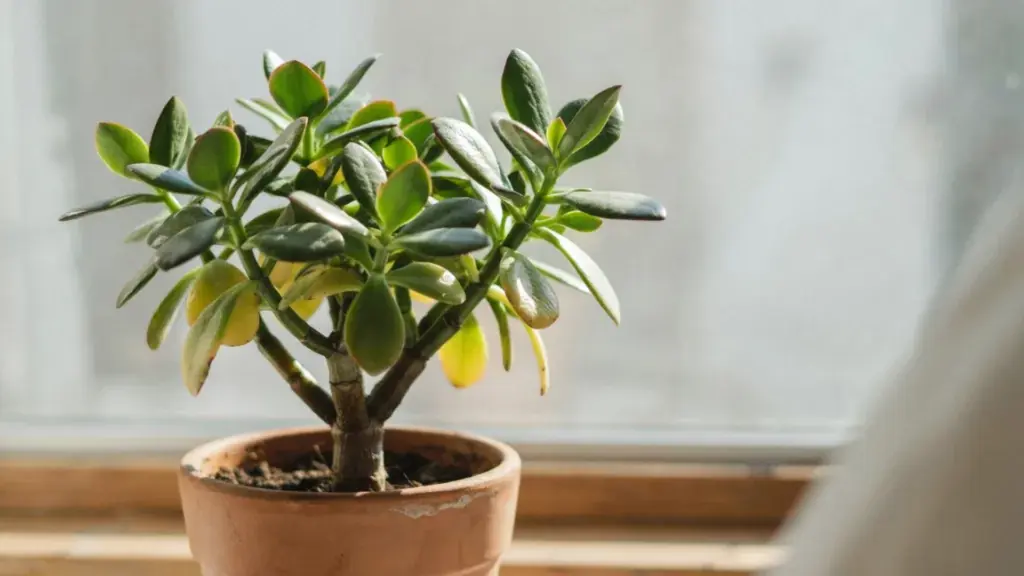
de plant leaves turning yellow is most often a sign of overwatering, especially when the leaves feel soft and puffy. A few yellow leaves at the very bottom are normal aging. Other causes include poor drainage, underwatering, low light, nutrient gaps, pests, hard water, and cold drafts.Last November, three bottom leaves on my Portland jade turned yellow together. Naturally, I checked on it with all the concern of someone who had been ignoring it. The soil was still quite wet four days after watering, and outside, the weather had turned cold and gray. My jade had slowed down, but I still watered it as though it were summer.
“Sorry, little buddy.”
But most yellowing comes down to one care problem you can fix before adding more water, fertilizer or helpful attention. (We do love to help a plant into trouble.)
When Yellow Jade Leaves Are Normal
A few yellow leaves aren’t always an emergency; jades shed older foliage, often before their winter rest. This starts with the oldest, largest leaves near the base.
If only a few lower leaves are affected and the rest of your plant is firm and green, leave it alone rather than rushing to repot. That’s my choice when everything else looks healthy.
A jade can live for decades, it will not keep every leaf for the whole trip. Along with the benefits of jade plants, you get a little housekeeping.
But yellowing that moves upward, affects many leaves at once or comes with mushy tissue needs attention. Notice where it starts, those bottom leaves can tell a different story from pale new growth at the tips.
1. Overwatering
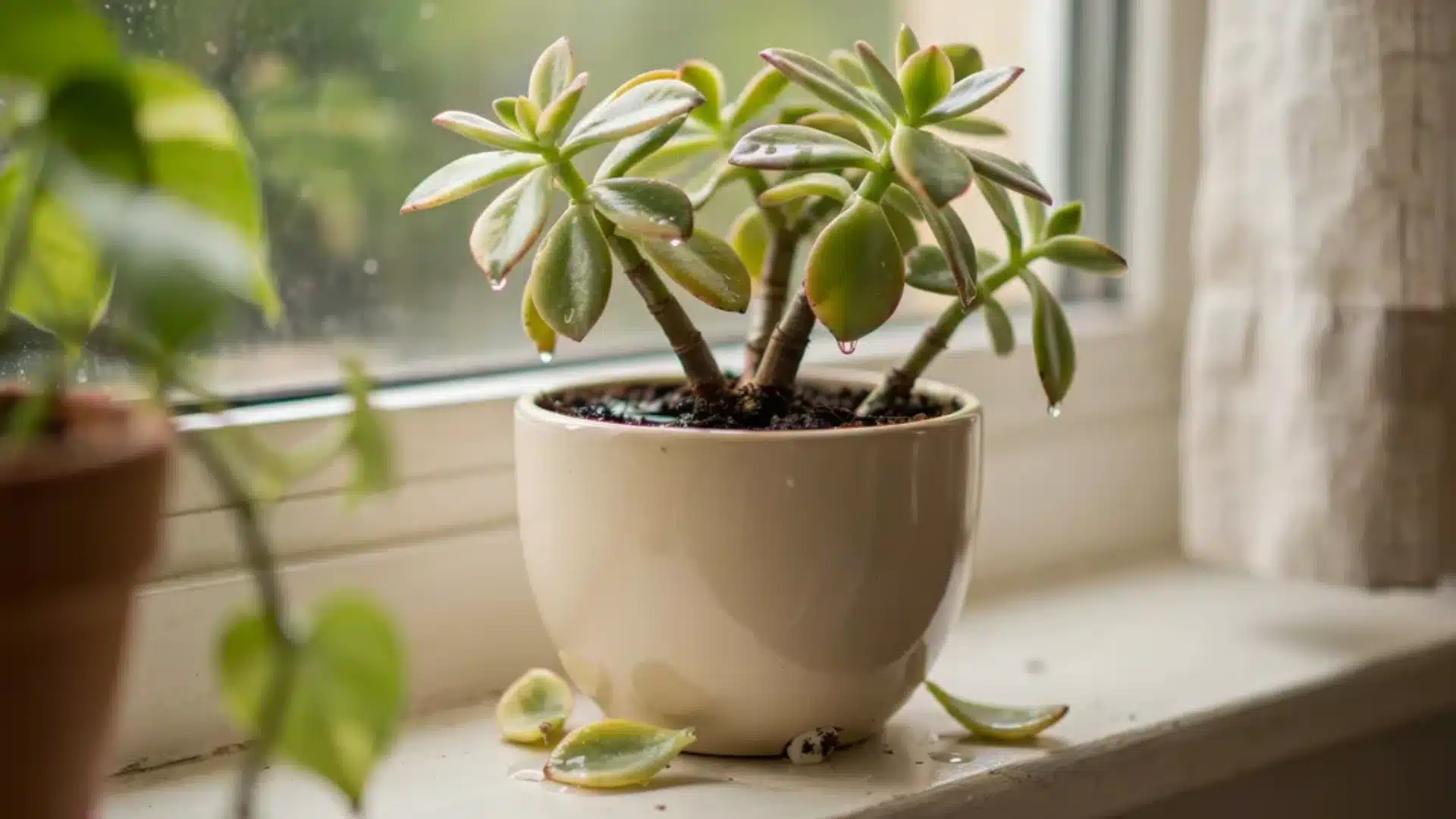
Yellow leaves that look swollen and give beneath your fingers point toward excess moisture. This is always my first check, it’s the most common culprit. Jades store water in their thick leaves and stems, but their roots still need oxygen. Constantly wet soil leaves little room for it, and UW-Madison Extension associates excessive watering with leaf loss and stem decay.
When roots deteriorate, they cannot move water and nutrients properly, so leaves turn yellow, soften and fall even while the pot holds more water than the plant can use.
Signs you are overwatering:
Swollen leaves that squash under gentle pressure.
Soil still moist 10 days or longer after watering.
Lower leaves falling with barely a touch.
What to do:
Stop watering.
Slide the plant out and inspect its roots.
Cut away black or soft roots with sanitized scissors.
Repot in fresh cactus or succulent mix.
Wait 7–10 days before watering again.
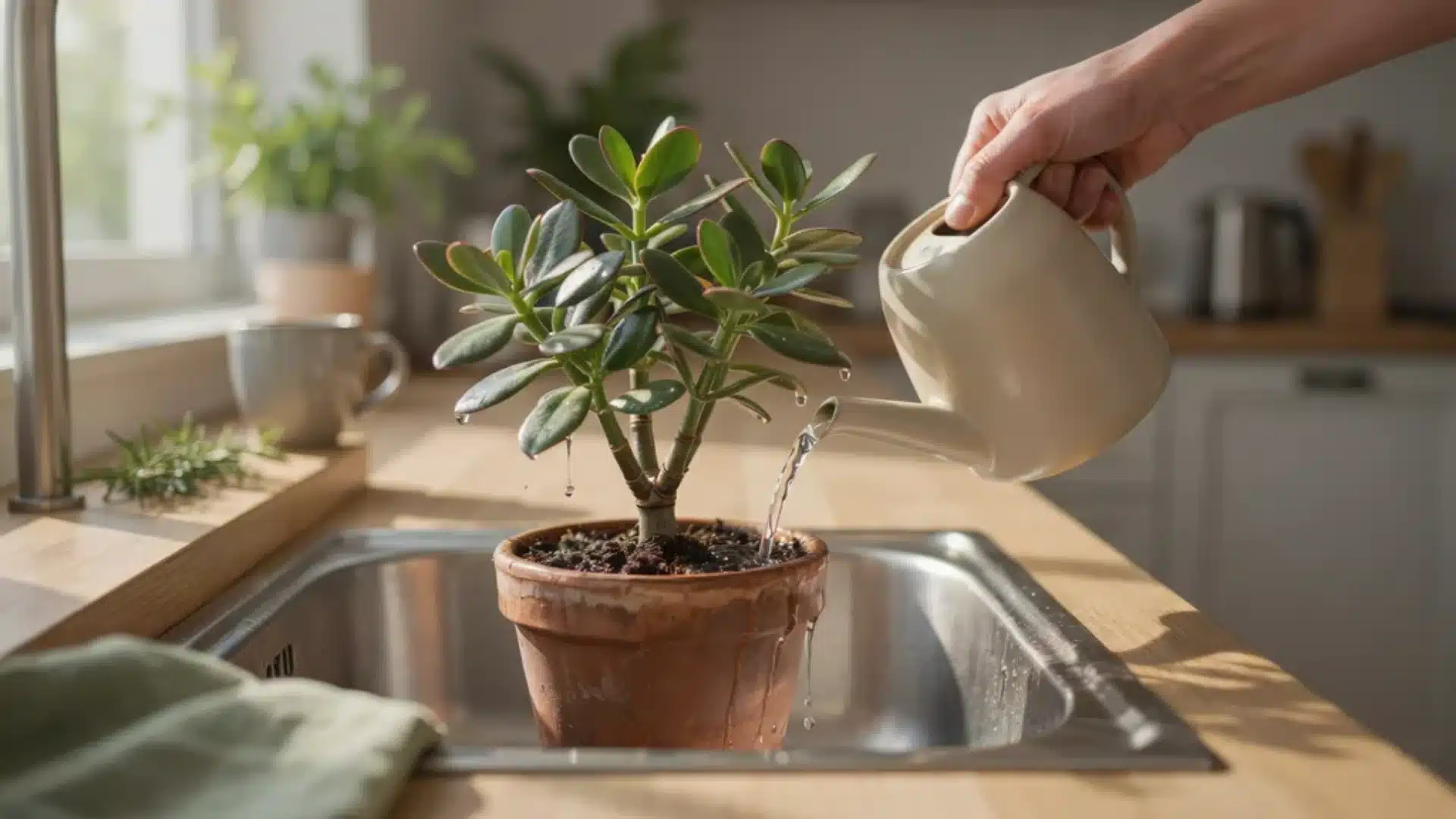
My approach to watering a jade plant is a thorough soaking followed by a proper drying interval. Let the upper 2–3 inches dry completely, then check deeper with a wooden chopstick. If damp soil clings to it, wait, your dry surface doesn’t tell you what’s happening downstairs.
That’s where the roots live (and why the top inch shouldn’t talk you into another drink).
2. Heavy Soil and Poor Drainage
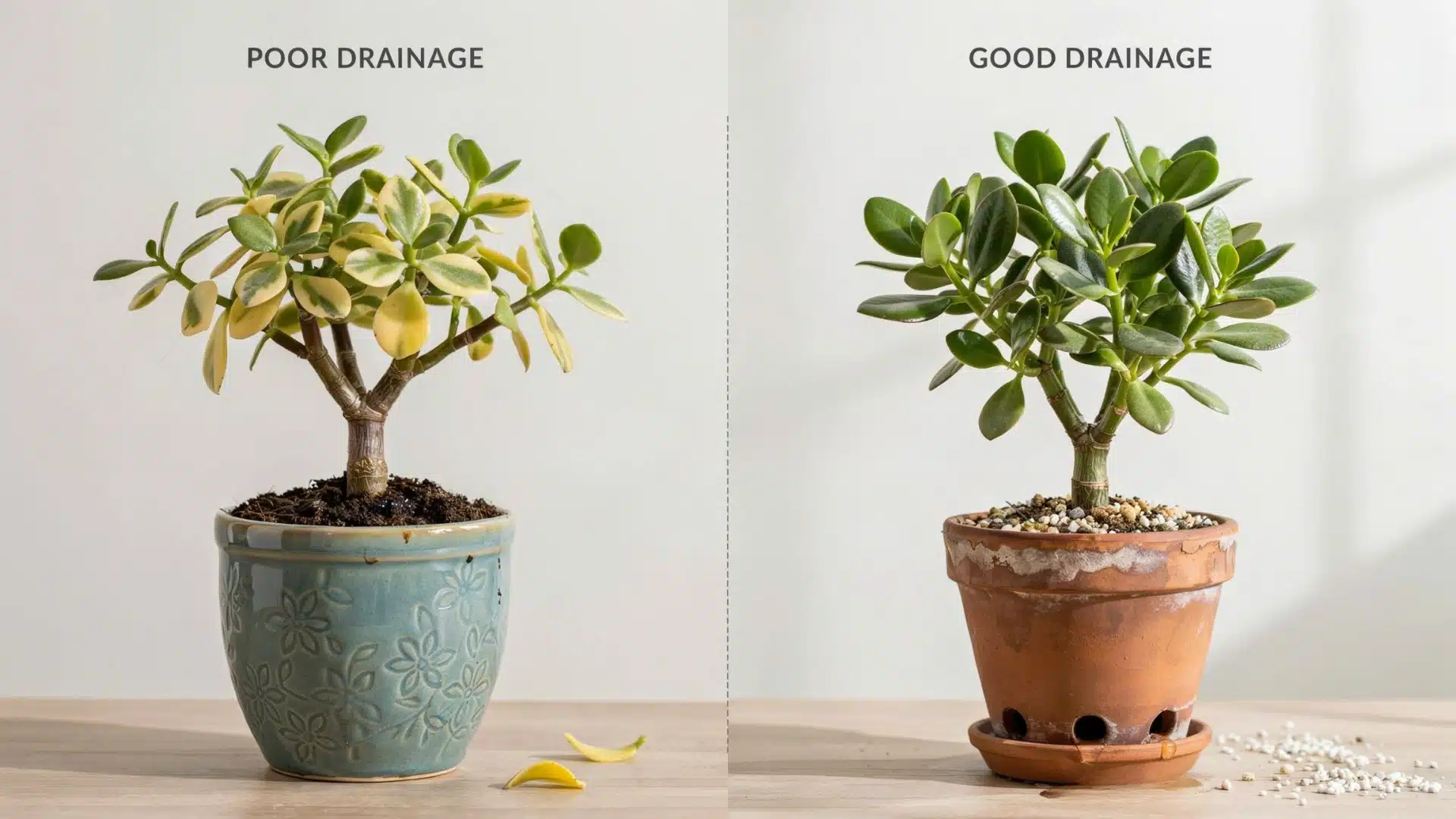
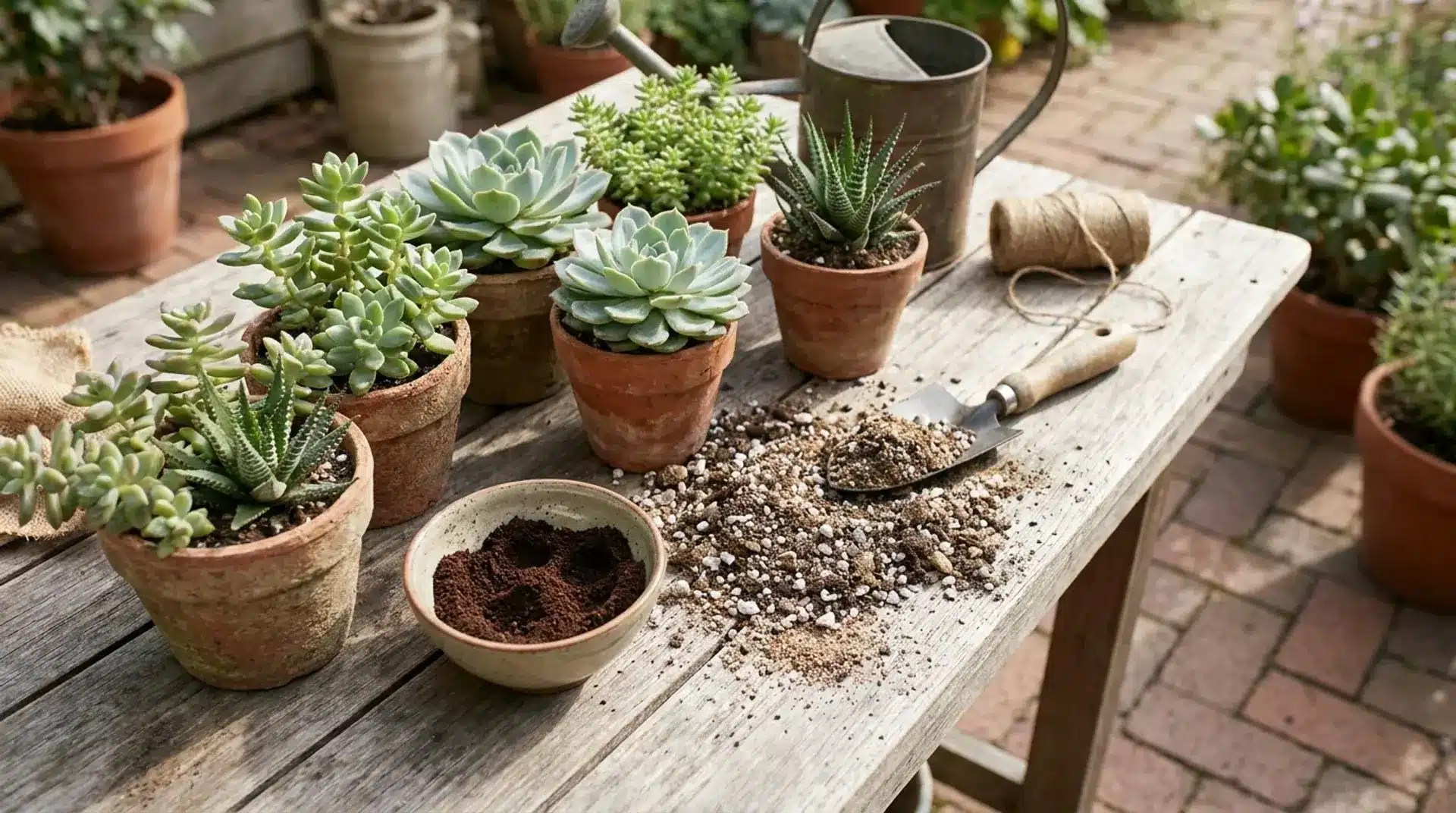
Packed soil and a pot without an outlet make a pretty poor home for jade roots. Ordinary potting mix can stay wet for days, causing the same damage as watering too often. Use a gritty cactus or succulent mix and a pot with at least one drainage hole. Porous terracotta is a good choice.
For your homemade mix, combine equal amounts of ordinary potting mix and perlite or pumice. That pretty pot without a hole belongs outside the planting container, as a cover.
Once you’ve watered, empty your saucer after 15 minutes. Otherwise, the soil can soak that water back up, keeping roots wet and inviting decay.
3. Underwatering
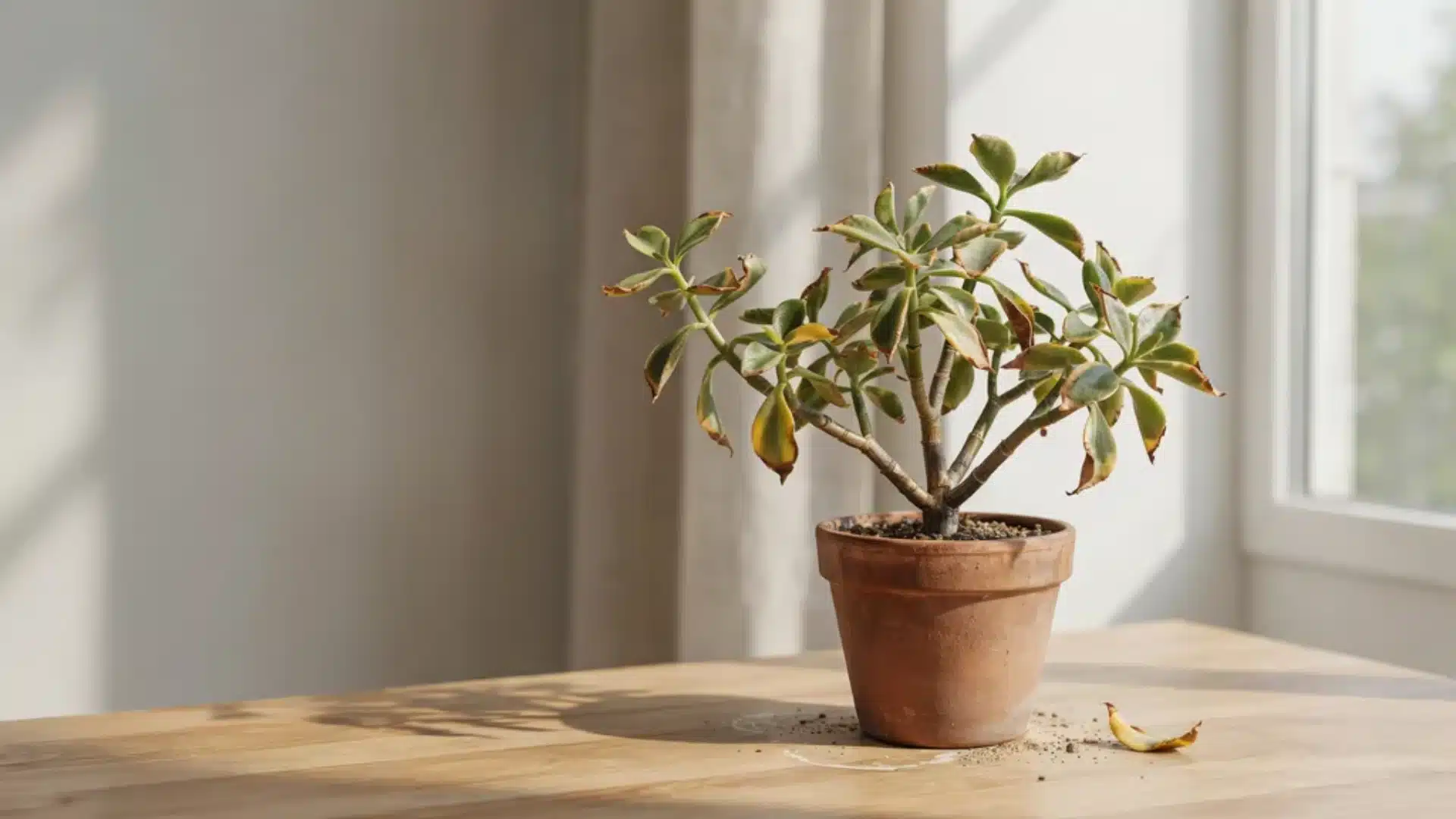
Wrinkled, leathery leaves suggest thirst rather than excess water, it’s less common, but summer can catch you out. Look for yellowing, brittle edges and shriveled leaves; your soil may pull away from the pot and feel sandy-dry throughout.
So, water thoroughly until it runs from the bottom, then drain. Leaves should regain some fullness within a day or two, without daily little sips.
Light and Feeding Problems
4. Light That’s Too Low or Too Harsh
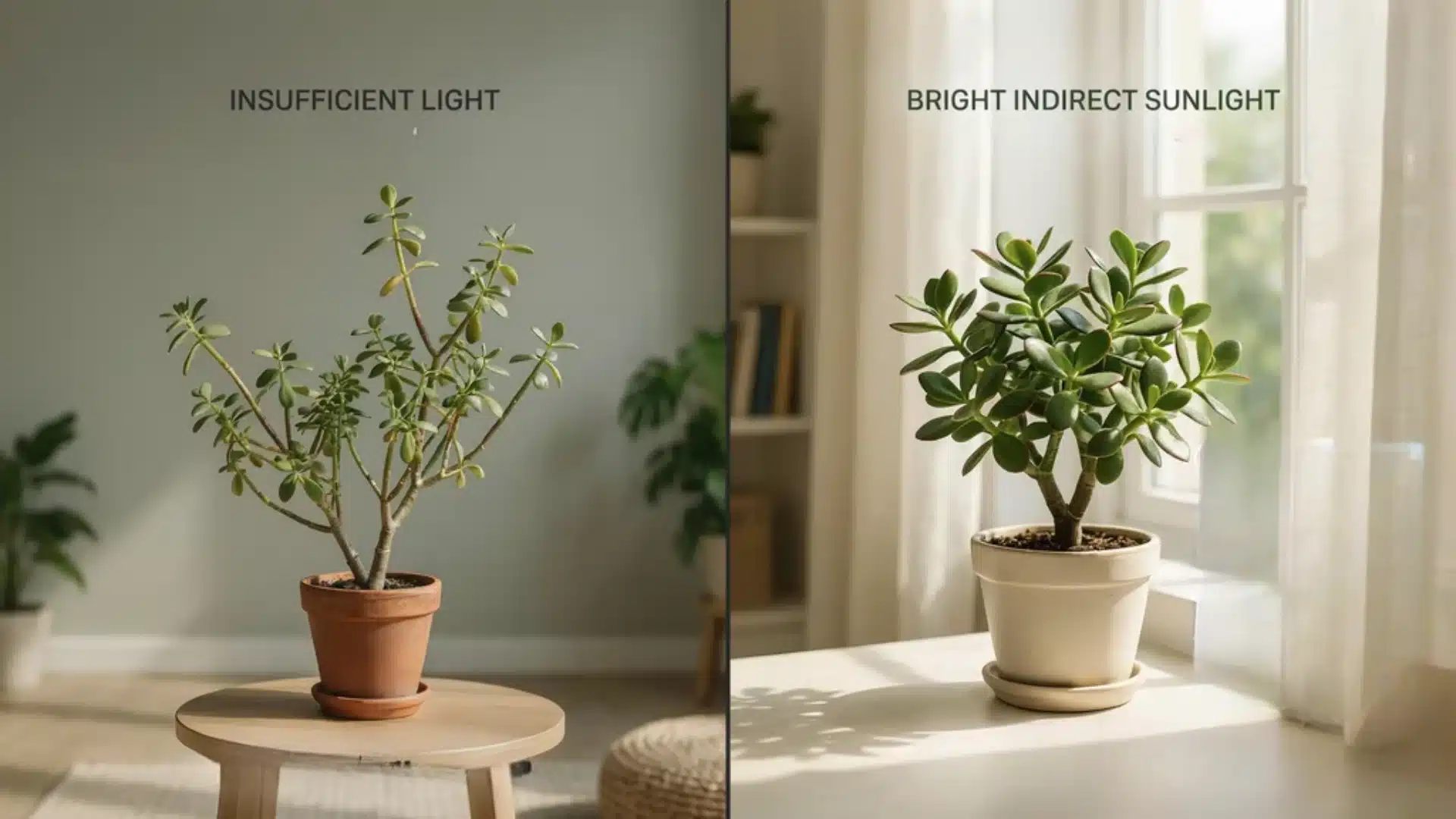
Moving your jade closer to a window is often a good start, it needs at least four hours of bright light daily. Direct sun helps, and UConn Extension recommends a sunny south-facing spot.
But while too little light produces pale yellow-green leaves and stretched stems, moving straight from a dim corner into strong afternoon sun can cause yellow scorching and brown patches. Introduce stronger sun over 1–2 weeks. Red edges on some jade plant varieties are harmless in strong light, not trouble.
Mine lives near a southern window. During Portland’s very dark November–February stretch, I keep a grow light 6–12 inches above it for about 10 hours daily. An outlet timer handles remembering, I handle admiring the plant and taking credit (a fair arrangement, I think).
5. Nutrient Gaps and Too Much Fertilizer
Where you see yellow helps identify which nutrient is running low. Jades are not really hungry plants, but several years in unchanged soil can leave supplies a bit short.
Nitrogen: Older leaves turn broadly yellow.
Magnesium: Older leaves yellow between veins that stay green.
Iron: Young leaves yellow while older foliage stays green.
I use a balanced liquid fertilizer with equal label numbers, such as 10-10-10, at half strength about monthly from April through August. More is not better.
When growth slows from October through March, skip feeding rather than trying to persuade your resting jade to get cracking with extra fertilizer that can damage roots. It can cause the yellowing we’re trying to fix, so check water and light before assuming every pale leaf needs dinner.
Pests, Water Quality, and Cold
6. Mealybugs and Spider Mites
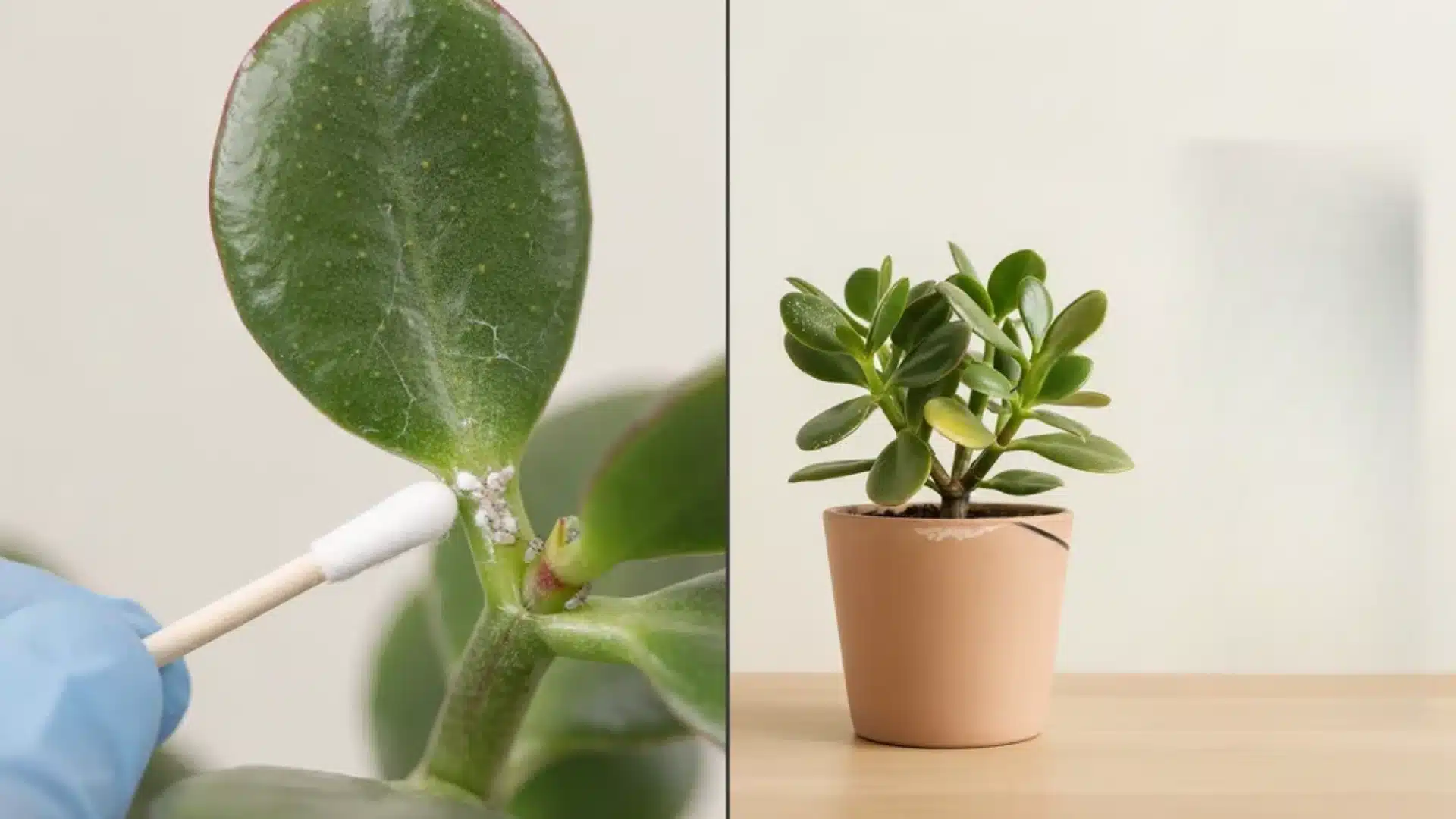
A rubbing-alcohol-moistened cotton swab usually handles individual mealybugs, look for white fluff where your leaves join stems. They suck moisture from the plant, and spider mites cause yellowing too, with fine webs beneath leaves. I swab mealybugs weekly for four weeks, checking hiding places each time (one pass is not a victory parade).
Use low-tox fixes for houseplant bugs only when the label allows use on jade. I’m firm about avoiding malathion here, several labels warn against applying it to Crassula, the genus that includes jade, because injury can follow. Read before you spray, my friend.
7. Hard Tap Water and Salt Build-Up
Mineral salts can collect in your soil and cause yellowing, with white crust on the soil or pot rim an early clue. Try mineral-removing filtered water or rainwater; leaving tap water overnight releases chlorine, not dissolved minerals.
I flush the soil with plain water every few months, letting it drain freely. Do not leave your pot standing in runoff afterward (you’re washing salts out, not making soup).
8. Cold Drafts and Temperature Swings
Cold January window glass is not a good neighbor for jade, and yellowing on your window-facing or vent-facing side can point to temperature stress. Aim for daytime temperatures of 65–75°F. Jades tolerate nights around 50°F, but abrupt cooling is rather stressful.
From November through March, I keep mine at least a foot from cold glass and heating outlets. Cold can also make it drop its leaves while still green. If yours summers outdoors, bring it inside by mid-September, following Missouri Botanical Garden guidance, rather than letting a cold night make the decision for you.
Habits That Keep Jade Leaves Yellow
1. Watering on a fixed schedule: Check your soil every time, Sunday doesn’t mean watering day just because you’re already carrying the can around.
2. Using a pot that is too large: Extra soil holds extra moisture around roots, so choose a container only 1–2 inches wider than your root mass, not one it can “grow into.”
3. Misting the leaves: Jade does not need extra humidity, and water trapped where leaves meet stems can encourage decay. Put your mister down, you’re off duty.
4. Using leaf shine sprays: These can block pores, causing yellowing or leaf death. Gently remove residue with a damp cloth and lukewarm water, clean leaves don’t need polish.
A Jade Plant Forgives a Lot
My November jade recovered and stayed green once I changed my watering. Through winter, it needed water about every three weeks, with fresh leaves arriving by March. So I’ll happily keep one for decades, a mistake doesn’t have to be the end.
Still puzzled? Share a photo and your care routine in the comments, and I’ll help you work through the clues.
Frequently Asked Questions
How Often Should I Water a Jade Plant?
Wait until most of your soil depth is dry. Mine needs water about every two weeks in summer and every three weeks in winter, but check before pouring.
How Do I Make My Jade Plant Green Again?
Fix the cause first, yellow leaves won’t turn green again. Better watering, light and soil support healthy green replacement growth, so watch your tips.
Will Coffee Grounds Help My Jade Plant?
I wouldn’t bother, they offer little benefit and hold unwanted moisture. Your jade prefers gritty soil, so use diluted balanced fertilizer in spring instead.
Is Baking Soda Safe for Jade Plants?
Skip it, baking soda is a salt compound. Salts accumulating in your soil can make yellowing worse, and jade doesn’t need it.
Are Yellow Leaves and Falling Leaves the Same Problem?
Not always, overwatered leaves often yellow before falling. If leaves drop while green, check for cold, a sudden move or dehydration before you water.