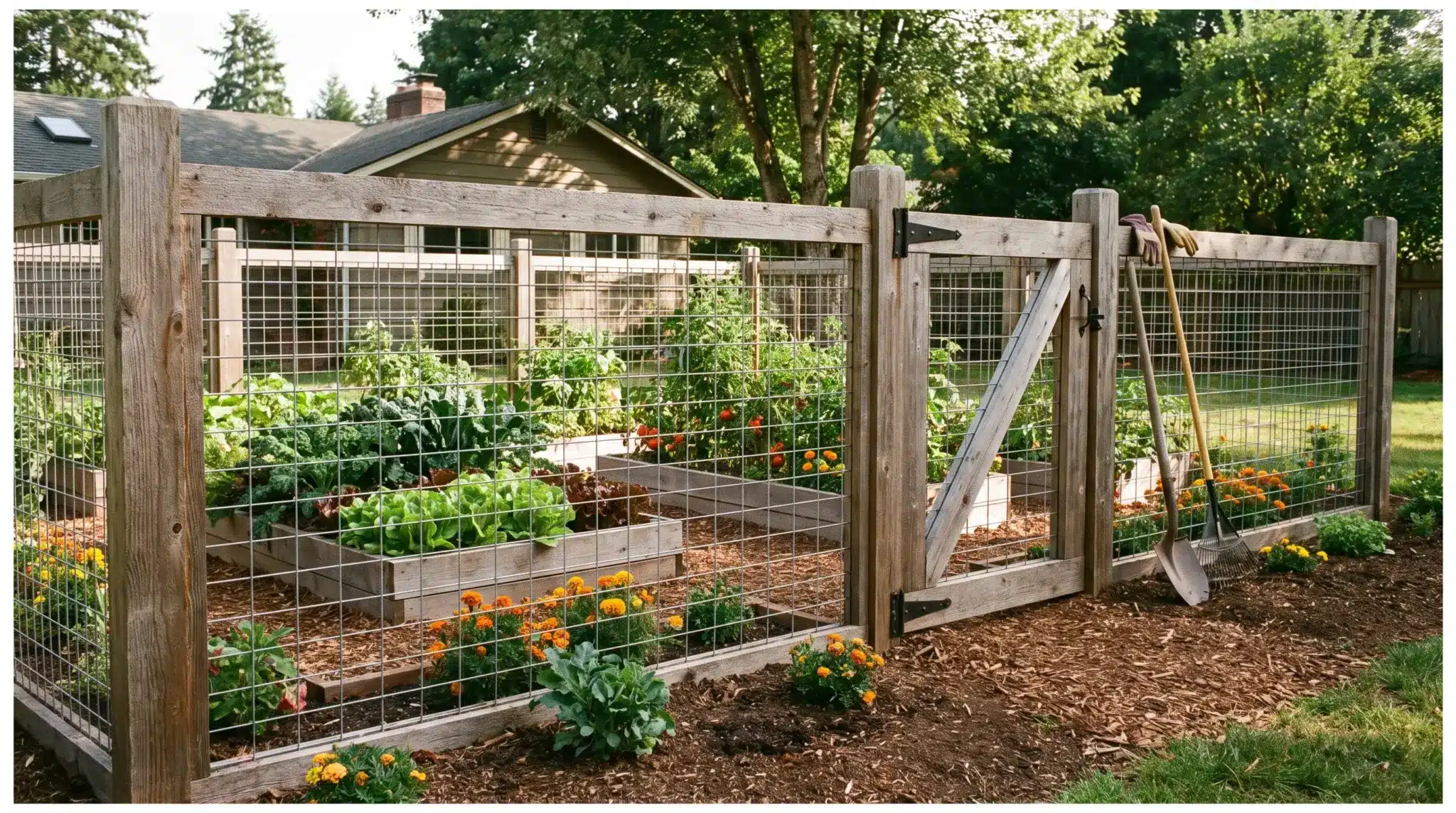

I still remember my first cut flower garden. It was a small patch behind my farmhouse. Within a few months, I had fresh bouquets sitting on my kitchen table every week.
That is the real joy of growing a cut flower garden. You get to pick exactly what goes into your vase. No more settling for whatever the store has that day.
A cut flower garden gives you full control over colors, varieties, and bloom times. You save money too, since you are not buying flowers every week.
It can also become a hobby you look forward to. Watching your own blooms open up feels different when you grew them yourself.
What is a Cut Flower Garden?
A cut flower garden is a space where you grow flowers to cut. Unlike a regular flower bed, its main purpose is not decoration in the yard. It is meant to give you flowers you can bring indoors.
You plant flowers close together in rows or blocks. This makes it easy to cut stems without disturbing other plants. Many gardeners keep this garden separate from their front yard flower beds.
The goal is simple. You want a steady supply of fresh blooms for vases, gifts, or events. Some gardeners grow a mix of annuals and perennials. Others focus only on annuals since they bloom fast and often.
A cut-flower garden works well in small backyards, too. Even a few rows can give you enough flowers for weekly bouquets.
How to Plan a Cut Flower Garden
Planning is the most important step, and it often costs you later if you ignore it. A little thought before planting saves you time and effort down the road. It also helps your flowers grow stronger and bloom longer.
1. Choose the Right Location
Most cut flowers need plenty of sunlight to thrive. Look for a spot that gets at least six hours of direct sun each day.
Morning sun works especially well since it dries dew off the leaves early. This helps prevent diseases that thrive in damp conditions.
Avoid low spots in your yard where water tends to collect after rain. Standing water can rot roots and stunt growth.
Also try to pick a location away from large trees. Tree roots compete with your flowers for water and nutrients, and shade from branches can weaken stems.
2. Decide the Garden Size and Layout

Start small if this is your first cut flower garden. A bed measuring four feet by eight feet is a good garden layout for a beginner. This size gives you room to grow several varieties without feeling overwhelmed.
Plant in rows rather than scattered clumps. Rows make it easier to walk through, water, and harvest without stepping on other plants.
Leave at least twelve to eighteen inches between rows so you have space to move around comfortably.
Group flowers by height as well. Place taller varieties toward the back or center, and shorter ones near the edges. This layout ensures every plant gets enough light and makes harvesting much simpler.
3. Prepare Soil Before Planting

Healthy soil is the foundation of a productive cut flower garden. Start by clearing the area of weeds, rocks, and old plant debris. Then loosen the soil to a depth of about eight to ten inches.
Mix in compost or aged manure before planting. This adds nutrients and improves drainage at the same time. If your soil is heavy with clay, compost also helps break it up so roots can spread easily.
It also helps to test your soil pH before planting. Most cut flowers grow best in soil that is slightly acidic to neutral. A simple home test kit can tell you where your soil stands, and you can adjust it if needed.
Best Flowers for a Cut Flower Garden
Choosing the right flowers makes all the difference in a cut flower garden. Some varieties last longer in a vase, while others bloom faster and keep your garden full all season.
Here is a simple breakdown to help you choose:
| Flower | Type | Bloom Time | Vase Life | Beginner Friendly |
|---|---|---|---|---|
| Zinnia | Annual | Summer to fall | 7–10 days | Yes |
| Cosmos | Annual | Summer to fall | 5–7 days | Yes |
| Sunflower | Annual | Summer | 6–10 days | Yes |
| Dahlia | Perennial (tender) | Late summer to fall | 5–7 days | Moderate |
| Peony | Perennial | Late spring | 5–8 days | Moderate |
| Orchids | Perennial | Late Winter to Spring | 14-18 days | Moderate |
| Snapdragon | Annual | Spring to summer | 7–10 days | Yes |
When picking flowers, think about what you actually want in your bouquets. If you want height, sunflowers and snapdragons work well. If you want fullness and color, zinnias and cosmos fill that role nicely.
It also helps to mix bloom times. Growing a few early bloomers alongside mid- and late-season varieties keeps fresh flowers coming for months, not just a few weeks.
How to Plant a Cut Flower Garden for Continuous Blooms
Continuous blooms aren’t about luck. It comes down to how and when you plant. With the right approach, you can enjoy fresh flowers from early summer all the way into fall.
Start With Easy Annuals
Annuals are the best choice if you want quick results. They grow fast, bloom often, and are forgiving for beginners. Most annuals go from seed to flower within eight to twelve weeks.
Zinnias and cosmos are ideal starting points since they tolerate a wide range of soil types. Sunflowers also grow well from direct seeding and need very little extra care once established.
Plant your seeds after the last frost date in your area. Starting too early can expose young seedlings to cold damage. If you want a head start, you can also start seeds indoors a few weeks before the last frost and transplant them once the weather warms.
Use Succession Planting
Succession planting means sowing new seeds every two to three weeks instead of planting everything at once. This keeps a steady rotation of blooms coming through the season.
For example, if you plant zinnias in early May, plant another round in late May. Then add a third round in mid-June. This way, as one batch finishes blooming, the next is just getting started.
This method works especially well for fast-growing annuals like zinnias, cosmos, and sunflowers. It takes a bit more planning, but it prevents the common problem of having a garden full of flowers for two weeks and then nothing for the rest of the season.
How to Care for a Cut Flower Garden
Once your flowers are in the ground, proper care keeps them healthy and productive. A little consistent attention goes a long way toward more blooms and stronger stems.
1. Watering
Cut flowers need deep, consistent watering rather than frequent light sprinkles. Aim for about one inch of water per week, more during hot or dry spells.
Water at the base of the plants instead of overhead. This keeps leaves dry and lowers the risk of fungal problems.
Early morning is the best time to water. It gives plants enough moisture before the heat of the day and allows any splashed leaves to dry quickly.
2. Feeding
Cut flowers are heavy bloomers, so they use up nutrients fast. Feed your plants every three to four weeks with a balanced fertilizer.
Compost worked into the soil at planting time also helps provide steady nutrition.
Avoid overfeeding with high-nitrogen fertilizers. Too much nitrogen encourages leafy growth over blooms, which is the opposite of what you want in a cut flower garden.
3. Pinching and Deadheading
Pinching young plants encourages them to grow bushier instead of tall and thin. For most annuals, pinch off the top set of leaves once the plant reaches about six inches tall.
This leads to more stems and more flowers later on.
Deadheading, or removing spent blooms, keeps plants producing new flowers instead of putting energy into seed production. Check your garden every few days and snip off any faded blooms you find.
4. Supporting Tall Plants
Taller flowers like sunflowers, dahlias, and snapdragons often need extra support. Strong winds or heavy rain can bend or snap their stems. Use stakes, cages, or garden netting to keep them upright.
Set up support early, ideally when plants are still young. Adding stakes after a plant has already grown tall can damage roots and stems.
When and How to Harvest Flowers From Your Garden

Harvesting at the right time and in the right way keeps your flowers fresh for much longer indoors.
1. Best Time to Cut Flowers
- Cut flowers in the early morning or evening.
- Cooler temperatures at these times help flowers stay fresh longer.
- Avoid cutting during the heat of midday, as flowers wilt faster under stress.
2. How to Cut Properly
- Use clean, sharp scissors or snips for a smooth cut.
- Cut stems at an angle to help with water absorption.
- Remove any lower leaves that would sit below the waterline.
- Place stems in water immediately after cutting.
3. Harvesting Stage Examples
- Sunflowers: Cut when petals begin opening, not fully bloomed.
- Zinnias: Cut once stems feel firm to the touch.
- Dahlias: Cut when flowers are mostly open, since buds do not continue opening after cutting.
Common Cut Flower Garden Mistakes to Avoid
Even experienced gardeners run into these problems from time to time. Knowing what to avoid can save your plants and your effort.
Planting too close together is one of the biggest culprits. Crowded plants compete for light, water, and nutrients. That competition leads to weak stems and fewer blooms. Skipping soil preparation causes trouble too.
Poor soil slows growth and shrinks flower size, even with good care later on. Watering habits matter just as much. Overwatering and underwatering both stress plants and reduce healthy blooms.
Pests and disease deserve quick attention as well. Small problems spread fast when left unchecked, and they can damage entire rows of flowers. Staking is another step gardeners often delay. Waiting until plants grow tall makes staking harder and risks root damage.
Harvest timing plays a role too. Flowers cut past their peak wilt faster once placed in a vase. Finally, climate fit matters more than most people think. Some varieties struggle in extreme heat or cold, so even careful care won’t fix a poor climate match.
How to Keep a Cut Flower Garden Blooming All Season
Keeping blooms going all season takes a bit of ongoing effort, but it is not complicated. A few consistent habits make the biggest difference.
- Succession planting is one of the most effective ways to keep flowers coming. Sow new seeds every two to three weeks so fresh plants are always ready to bloom as older ones slow down.
- Deadheading regularly also plays a big role. Removing spent blooms tells the plant to keep producing instead of shifting energy toward seeds. Make this a weekly habit during peak growing months.
- Feeding your plants on schedule keeps them strong throughout the season. Skipping fertilizer during hot summer months often leads to smaller blooms and weaker stems.
- Keep an eye on pests and diseases throughout the season. Catching problems early prevents them from spreading and shortening your garden’s blooming period.
- Finally, do not skip harvesting. Regular cutting keeps plants producing instead of slowing down once they feel they have already flowered enough.
Frequently Asked Questions
How Much Space Do I Need for a Cut Flower Garden?
A small 4×8 foot bed can produce plenty of flowers when planted with productive varieties and maintained regularly.
What are the Easiest Flowers to Grow in a Cutting Garden?
Zinnias, cosmos, sunflowers, and celosia are beginner-friendly choices because they grow quickly and produce many stems.
Can I Grow a Cut Flower Garden in Containers?
Yes. Choose compact varieties and place containers where plants receive enough sunlight.
Should I Grow Annuals or Perennials for Cut Flowers?
Annuals provide faster results, while perennials return each year and create long-term structure.
How Often Should I Harvest Cut Flowers?
Regular harvesting encourages many plants to produce more blooms throughout the growing season.