
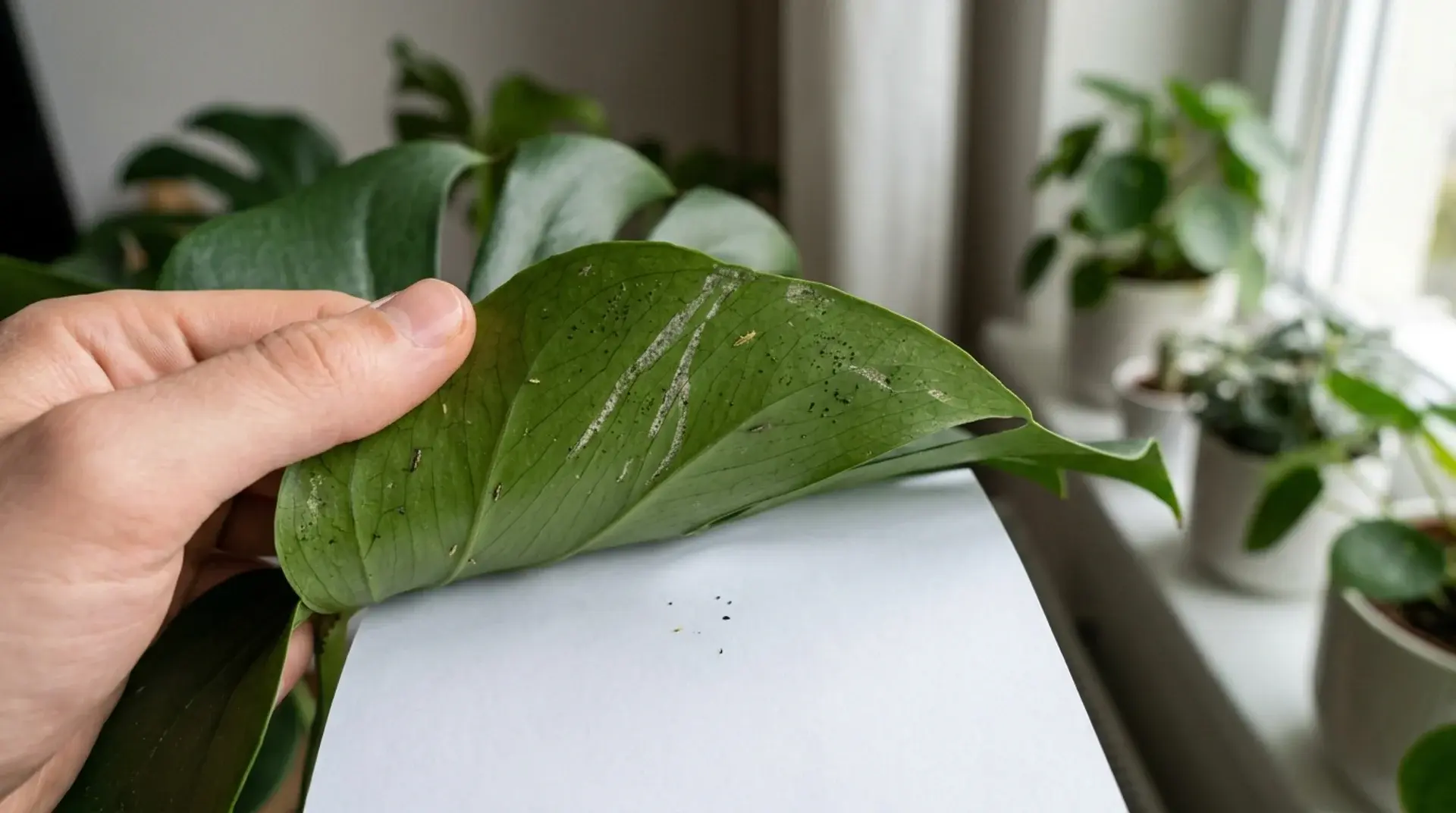
Silver patches on your leaves and tiny bugs that jump or crawl when you touch them are not normal.
These are often early signs of thrips on plants, tiny sap-sucking pests that can spread quickly and cause serious damage if left untreated.
As they feed, they leave behind silvery streaks, distorted growth, and weakened leaves that can affect both indoor and outdoor plants.
This blog explains exactly how to identify thrips, recognize the damage they cause, and tell them apart from other common plant pests.
You’ll also learn proven treatment methods, effective prevention strategies, and practical tips to stop future infestations and keep your plants healthy.
What Are Thrips
Thrips are tiny, slender insects that feed on plant cells and leave visible scars behind.
They measure just 1 to 2 millimeters long, so spotting them with the naked eye takes a close look. Their bodies are thin, and their color ranges from pale yellow to dark brown or black.
Thrips have fringed wings, which is why some gardeners call them fringe-winged insects. They feed differently from most pests.
Instead of piercing deep into plant tissue like aphids do, thrips scrape the surface until sap rises, then they suck it up.
This is why thrips damage often looks like scarring or silvery streaks rather than holes.
According to the University of Maryland Extension, common indoor plants affected include African violets, philodendrons, orchids, and ficus, as well as outdoor roses and vegetables.
Knowing the basic biology here helps you recognize the signs faster, which we cover next.
Common Types Found on Houseplants
Western flower thrips are the most common type found on houseplants and are known for reproducing quickly and causing noticeable silvering on leaves.
Onion thrips can also appear on houseplants, especially when vegetables or garden plants are kept nearby.
Different thrips species may vary in appearance, but they often cause similar feeding damage to plants.
Treatment methods are generally effective across most thrips species, so exact identification is not always necessary before taking action.
Signs You Have Thrips on Your Plants
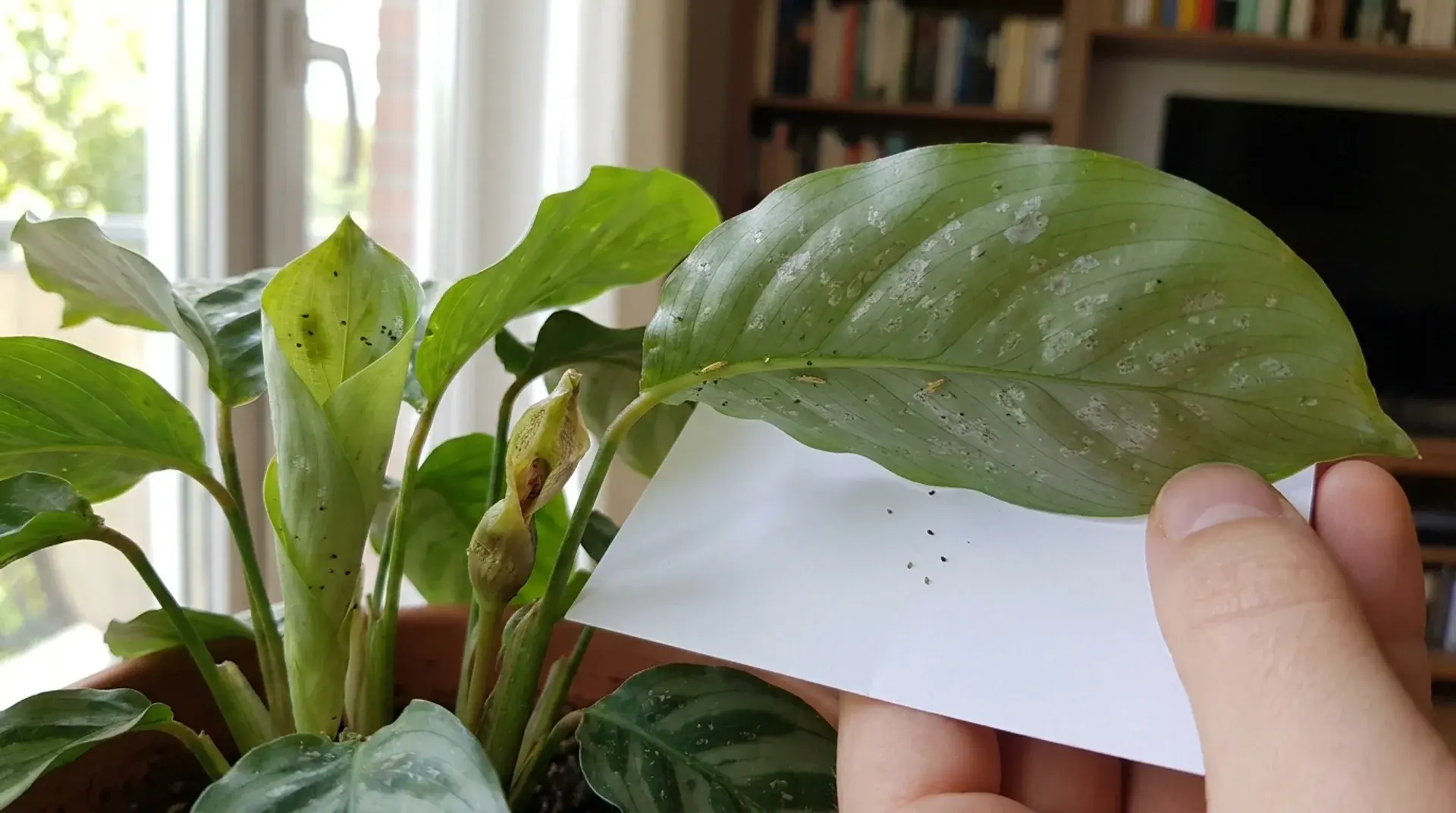
Recognizing thrips damage early can save your plant collection from a full infestation.
Here are the clearest signs you are dealing with thrips and not another pest.
- Silver or stippled patches on the upper and lower surfaces of leaves.
- Curled, distorted, or stunted new growth.
- Tiny black dots scattered on leaves are thrips droppings.
- Insects that jump or fly away quickly when the plant is disturbed.
- Damaged, discolored buds or flowers that fail to open properly.
New growth attracts thrips more than mature leaves because the tissue is softer and easier to feed on.
If you are unsure, try this simple test.
Hold a white sheet of paper under a leaf and tap it gently. If tiny yellow or dark specks fall and start moving, thrips are present.
This confirms an infestation without needing a magnifying glass, and it takes less than a minute.
Once you have confirmed the signs, it helps to rule out similar-looking pests before treating your plant.
Thrips vs Other Common Pests
Thrips are often confused with aphids and spider mites, which leads to the wrong treatment being applied.
A quick comparison clears up the confusion so you can treat the actual problem.
| Feature | Thrips | Aphids | Spider Mites |
|---|---|---|---|
| Size | 1 to 2mm, slender | Larger, pear-shaped | Nearly microscopic |
| Movement | Jumps or flies fast | Walks, some fly | Slow crawler, uses silk |
| Damage look | Silver streaks, scarring | Sticky honeydew, curling | Fine webbing, stippling |
| Color | Yellow to black | Green, black, red | Red or pale, varies |
Aphids leave a sticky residue called honeydew, which often grows sooty mold.
Spider mites leave fine webbing around stems and leaf joints, which thrips do not produce.
If you see webbing, you are dealing with mites, not thrips. If you see stickiness and clustering insects, that points to aphids.
Which Plants Are Most Likely to Get Thrips?
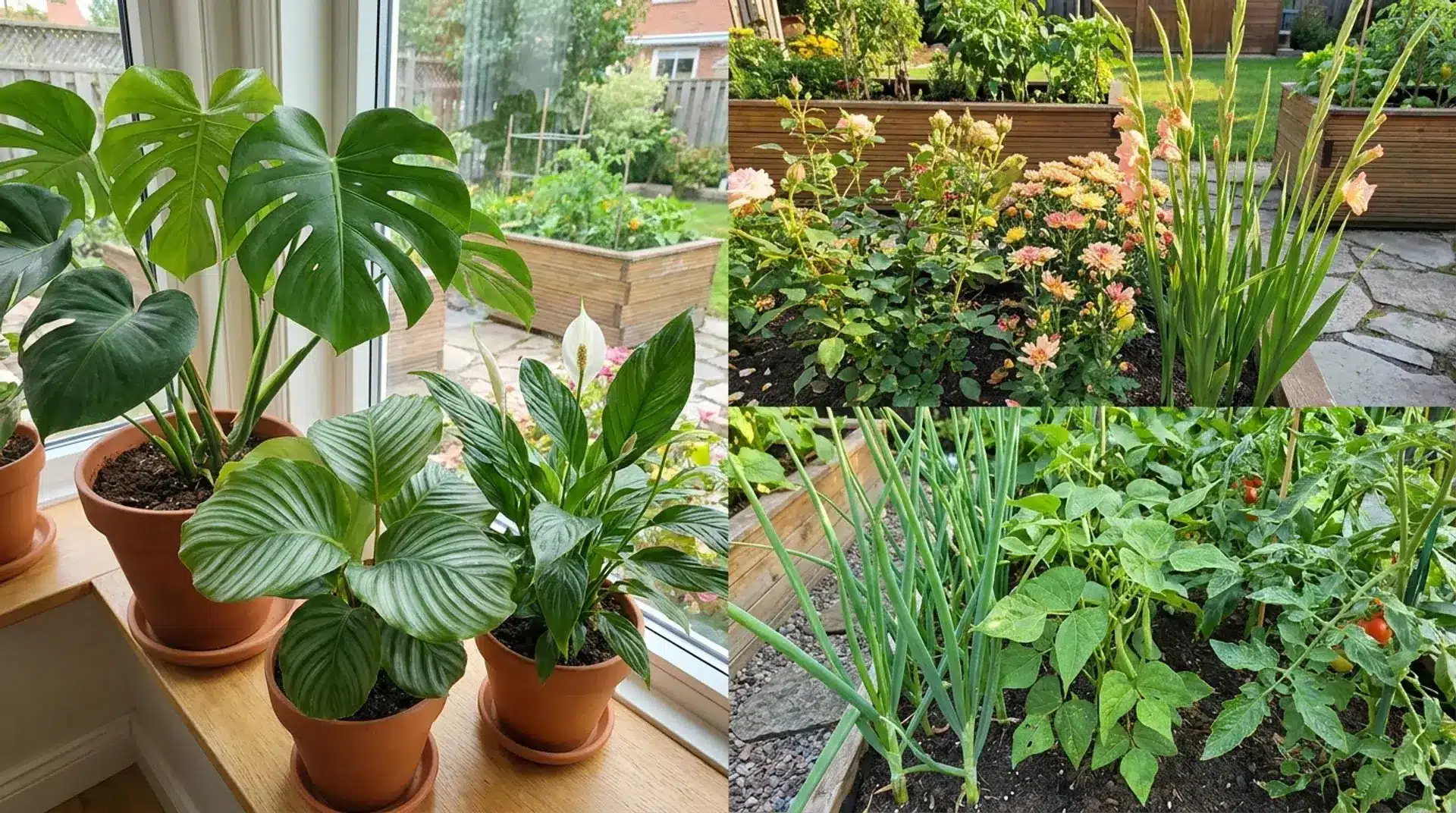
Some plants are more attractive to thrips because of their soft foliage, flowers, and tender new growth. Knowing which plants are at higher risk can help you monitor them closely.
Monstera, calathea, and peace lilies are common houseplant targets because their soft leaves provide ideal feeding sites for thrips.
Roses, chrysanthemums, and gladiolus often show visible thrips damage outdoors, especially on petals and new growth.
Vegetable crops such as onions, beans, and tomatoes can also suffer from thrips infestations, sometimes resulting in scarred leaves or deformed fruit.
Plants with fresh growth and delicate foliage are more likely to attract thrips, making regular inspections important for early detection.
Weekly checks of high-risk plants can help you identify infestations quickly and make treatment easier before pests spread.
Keeping a close eye on susceptible plants is one of the best ways to prevent serious thrips damage.
How to Get Rid of Thrips on Plants
Getting rid of thrips on plants requires a consistent approach that combines removal, cleaning, treatment, and prevention.
Follow these steps carefully to reduce the infestation and help your plants recover.
Step 1: Isolate the Affected Plant Immediately
Move the infected plant away from your healthy plants as soon as you notice thrips. Isolation helps prevent these tiny pests from spreading to nearby plants.
Keep the affected plant in a separate area while you inspect other plants for signs of infestation.
This first step creates control over the situation and makes future treatment more effective.
Step 2: Remove Damaged Leaves and Growth
Prune away heavily damaged leaves, flowers, buds, and stems where thrips have caused visible injury.
Removing affected parts reduces the number of hiding places for pests and helps the plant focus energy on healthy growth.
Always dispose of trimmed plant material properly rather than leaving it nearby, as any remaining thrips may continue their life cycle and spread again.
Step 3: Rinse Plants to Remove Thrips
Wash the plant thoroughly with a strong stream of water to physically remove visible thrips, eggs, and larvae from the surface.
Pay special attention to the undersides of leaves, stems, and new growth areas where these pests often hide.
Regular rinsing can reduce pest numbers significantly and works best when combined with other treatment methods for complete control.
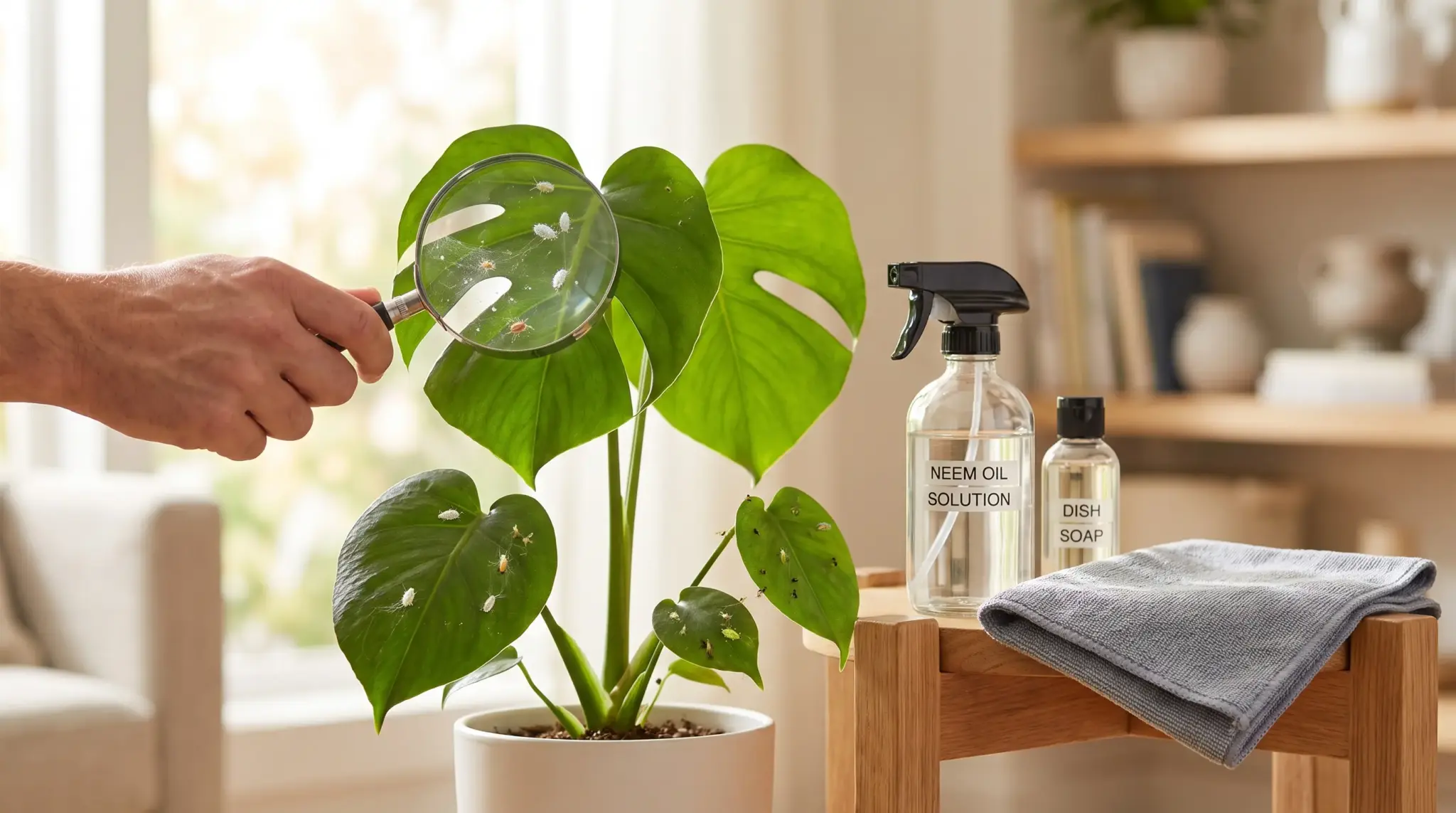
Step 4: Apply Neem Oil or Insecticidal Soap
Treat the plant with neem oil or insecticidal soap, covering both the upper and lower leaf surfaces evenly. These solutions help control thrips by targeting different life stages of the pest.
Repeat applications may be necessary because new thrips can hatch after the first treatment.
Always follow product instructions and avoid applying treatments during intense sunlight.
Step 5: Use Sticky Traps for Monitoring
Place yellow or blue sticky traps near the affected plant to catch adult thrips and track infestation levels.
These traps help reduce the adult population while showing whether your treatment plan is working. Check traps regularly and replace them when needed.
Monitoring activity allows you to respond quickly if thrips numbers begin increasing again after treatment.
Step 6: Introduce Beneficial Predators
For a natural long-term solution, consider adding beneficial insects such as predatory mites or minute pirate bugs.
These natural predators feed on thrips and help maintain a healthier balance in your growing environment.
They are especially useful for ongoing pest management in greenhouses, gardens, or larger plant collections.
Following these steps consistently will help control thrips, protect your plants, and reduce the chances of future infestations.
Why Thrips Keep Coming Back
Eggs are laid inside leaf tissue, safe from any spray you apply. Some species pupate in the soil, while others complete their entire cycle on the leaf itself.
This means a single treatment often misses eggs or pupae that have not yet emerged.
Sticking to a 7- to 10-day treatment schedule over several weeks gives you a much better chance of breaking the cycle completely.
How to Prevent Thrips From Returning
Prevention is far easier than repeated treatment, and a few habits make a real difference.
- Inspect new growth and the undersides of leaves weekly.
- Avoid over-fertilizing, since soft new growth attracts thrips.
- Quarantine any new plant for two weeks before placing it near others.
- Keep indoor humidity moderate to high, since dry conditions favor thrips.
- Avoid heavy pruning of outdoor shrubs during the peak growing season, as it can encourage dense new foliage.
Consistent monitoring catches problems while they are still small and manageable.
Are Thrips Dangerous Beyond Cosmetic Damage
Thrips damage is not just cosmetic in every case, and it helps to know when the risk goes further.
Some thrips species can transmit plant viruses, according to research published by the National Center for Biotechnology Information.
This is more common in agricultural settings than in typical houseplant care, but it is worth watching for symptoms beyond leaf scarring, such as unusual mottling or stunted growth throughout the plant.
If a plant shows viral symptoms alongside thrips damage, discarding it is usually the safer choice over continued treatment.
Final Thoughts
Thrips on plants are frustrating, but they are manageable once you know what to look for and act quickly.
Confirm the pest with the tap test, treat consistently every 7 to 10 days, and keep monitoring new growth afterward.
Prevention through regular checks and proper humidity goes a long way toward keeping your plants thrips-free.
Have you dealt with thrips on your own plants?
Share what worked for you in the comments below; your experience might help another plant owner facing the same problem.
Frequently Asked Questions
Can Thrips Survive Without Plants?
Thrips can survive for a short time without a host plant, but they usually need plant tissue to feed, reproduce, and complete their life cycle.
Why Do Thrips Keep Coming Back After Treatment?
Thrips often return because eggs and pupae can remain hidden in plant crevices or in the soil, allowing new generations to emerge after treatment.
Do Thrips Spread From One Plant To Another?
Yes, thrips can quickly move between nearby plants by crawling, being carried by the wind, or hitching a ride on clothing and gardening tools.
Are Thrips Harmful To Humans Or Pets?
Thrips are not dangerous to humans or pets, but they can seriously damage plants by feeding on leaves, flowers, and developing growth.


One Response