
Quick answer
How do you use neem oil on plants without burning the leaves?
Mix 1 to 2 tablespoons of neem oil with 1 teaspoon of mild dish soap per gallon of warm water. Spray the tops and undersides of leaves in the early morning or after sunset, avoiding direct sun and temperatures above 90°F. Test one leaf and wait 24 hours before treating the whole plant; repeat every 7 days for two to three weeks.
The first time I used neem oil, I sprayed a potted gardenia at noon on a July afternoon in Austin. By dinner the leaves had brown blotches, and I blamed the oil for a full week.
The oil was fine. I had sprayed in full Texas sun, on a plant I never test-patched.
Here’s how to use neem oil on plants without repeating my mistake, from the right mix and timing to the plants I never spray. Aphids and spider mites respond well once those are right.
What Neem Oil Is and How It Works
Neem oil is pressed from the seeds of the neem tree (Azadirachta indica), which is native to South Asia. Its main active compound, azadirachtin, disrupts the hormones that control insect growth and reproduction, according to UNH Extension. Pests eat less, lay fewer eggs, and young ones stall before they mature.
The same source says neem can help manage powdery mildew by keeping spores out of the leaf. Sunlight breaks the oil down within hours.
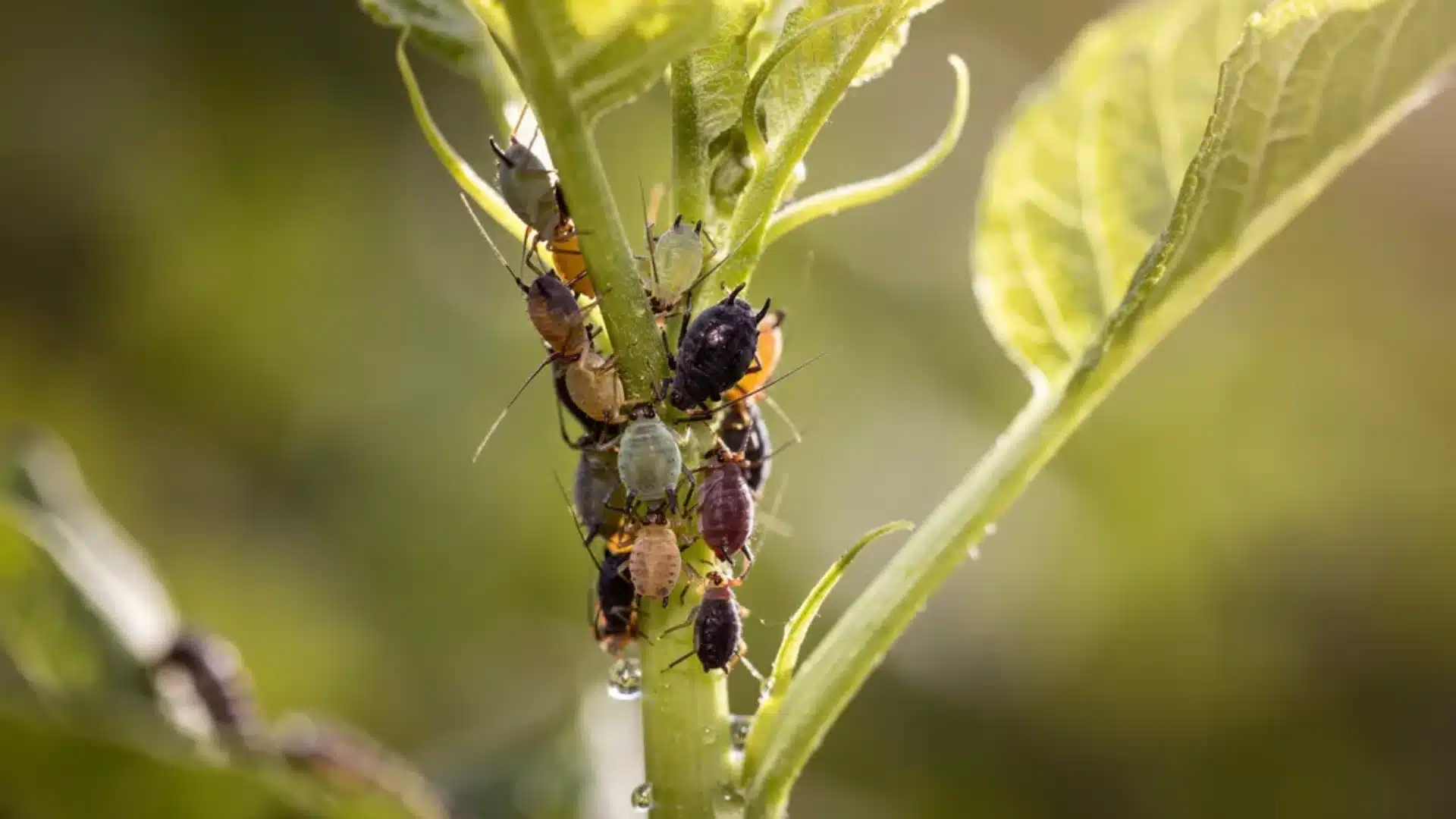
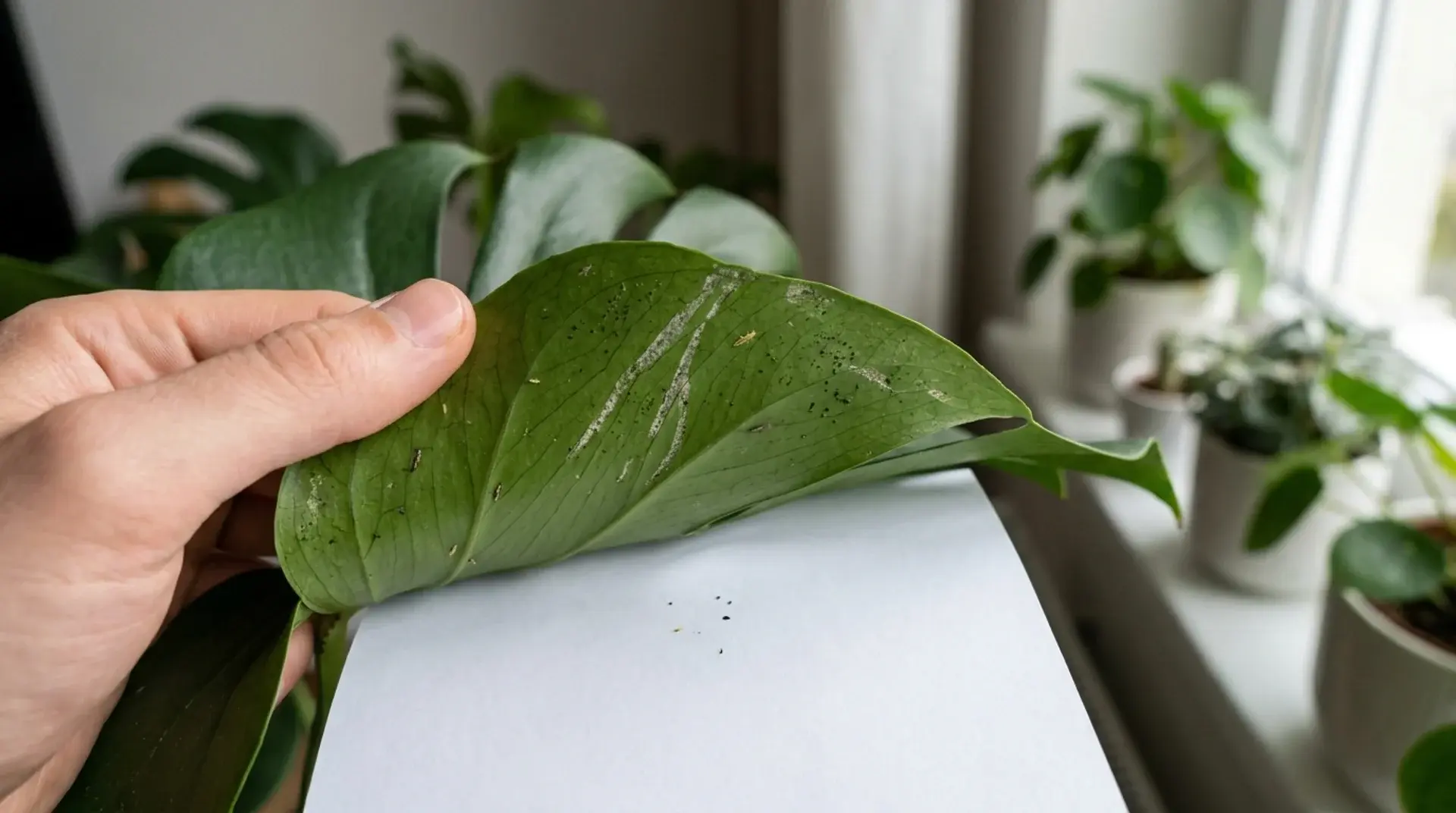
It handles aphids on houseplants, spider mites, whiteflies, mealybugs, and scale well. It is a slow tool for early problems and one part of the kit for bugs on indoor plants, so I always identify the pest first.
How to Mix Neem Oil Spray for Plants
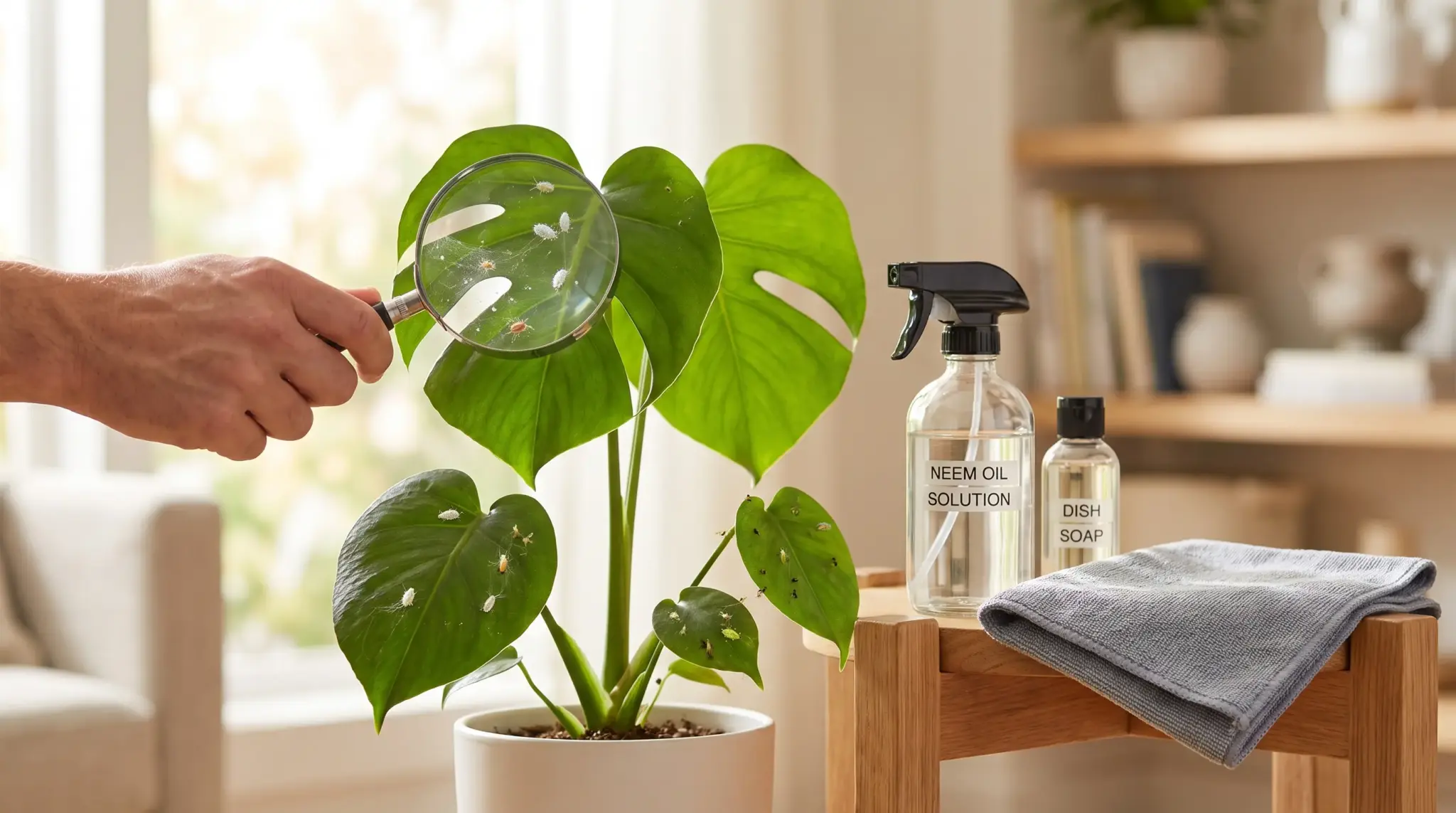
You need neem oil, mild dish soap, and warm water. The soap is an emulsifier (it keeps the oil from floating to the top of your sprayer).
Standard spray: 1 to 2 tablespoons of neem oil and 1 teaspoon of dish soap per gallon of warm water
Light spray: 1 teaspoon of neem oil per quart of warm water, plus a few drops of dish soap
Stir the dish soap into the warm water.
Pour neem oil in slowly while stirring.
Fill a spray bottle. Shake before and during spraying to keep the oil blended.
Use the whole batch within 8 hours, because azadirachtin breaks down fast once mixed.
Check the bottle label first, since ready-to-use sprays have their own dilution. Then test one leaf and wait 24 hours before treating the whole plant.
2 Ways to Apply Neem Oil on Plants

Foliar Spray
This is the method I use most. I spray the tops and undersides of every leaf, plus the stems, because spider mites, aphids, and whiteflies hide underneath.
I shake the bottle between plants so the oil stays blended, and I keep going until the leaves are lightly wet. Spot treating a few leaves leaves pests on the rest of the plant, so I cover the whole thing.
Soil Drench
A drench reaches fungus gnat larvae in the soil, which a leaf spray can’t. I mix 2 tablespoons of neem oil and 1 teaspoon of dish soap per gallon of warm water, then pour 2 to 3 cups slowly around the base of the plant.
Water it in so it doesn’t pool. I repeat weekly during an infestation and read the label first, since drench rates vary.
When to Spray Neem Oil and When to Skip It
I spray in the early morning or after sunset. Neem oil heats up on a leaf in direct sun and scorches it, which is exactly what happened to my gardenia. I skip spraying before rain (a few hours of rain washes most of it off), above 90°F, below 40°F, and on plants that are wilted or freshly transplanted.
Bees need extra care. Neem can harm bumble bees when used carelessly, so I skip open blooms and spray at dusk, once my own bees are back in the hive.
How Often to Apply Neem Oil

One spray rarely finishes the job, because neem slows pests instead of wiping them out at once. I spray every 7 days for two to three weeks on an active infestation. Extension guidance says to wait 7 to 10 days between applications, so I never go more often than that. Expect weeks, not days.
How to Use Neem Oil on Indoor Plants
Indoors, air moves less, so the oil dries slowly and can leave a greasy film. I use a weaker mix, 1 teaspoon of neem oil per quart of warm water, and spray in the morning so the leaves dry by evening. Undersides get the most attention, since spider mites and thrips hide there. I wipe the pot rim afterward, because the smell lingers.
Plants to Skip
Neem oil can burn thin, waxy, or fuzzy leaves. I leave it off these:
Soft herbs and greens: basil, dill, cilantro, lettuce, and spinach scorch easily.
Seedlings and fresh transplants: new growth burns before it recovers.
Succulents, cacti, and ferns: waxy or thin tissue reacts badly to oil.
Fuzzy leaves and orchid blooms: African violets and orchids hold the oily film.
If I’m unsure, I patch test one leaf, as UNH Extension recommends.
Neem Oil Took One Gardenia to Learn
When I can’t decide, I compare neem with insecticidal soap, which works on contact. Neem has earned its spot on my shelf since that gardenia. It asks for a patch test, a quiet evening, and a weekly spray. Tell me which plant you’re treating.
Frequently Asked Questions
Do you spray neem oil directly on the plant?
Yes, but mix it with water and dish soap first. Straight neem oil can burn leaves. Cover the tops and undersides.
Can you use neem oil on vegetables?
Yes on tomatoes and peppers, but not on thin greens or soft herbs. Check the label for harvest wait times, and wash produce before eating.
Is neem oil safe for pets and bees?
Keep pets away until leaves dry, and keep the concentrate from children. Avoid open blooms and spray at dusk to protect bees.