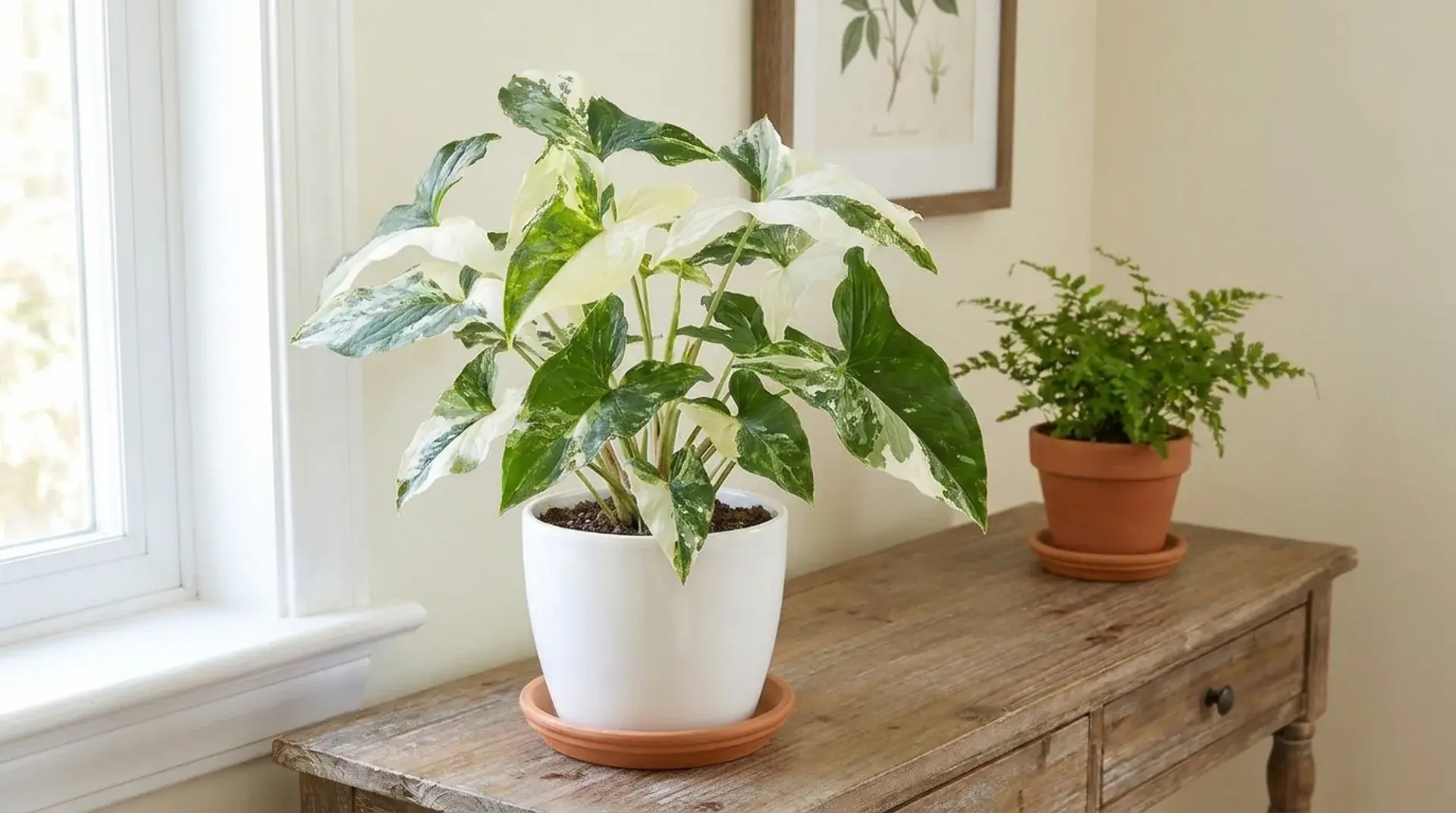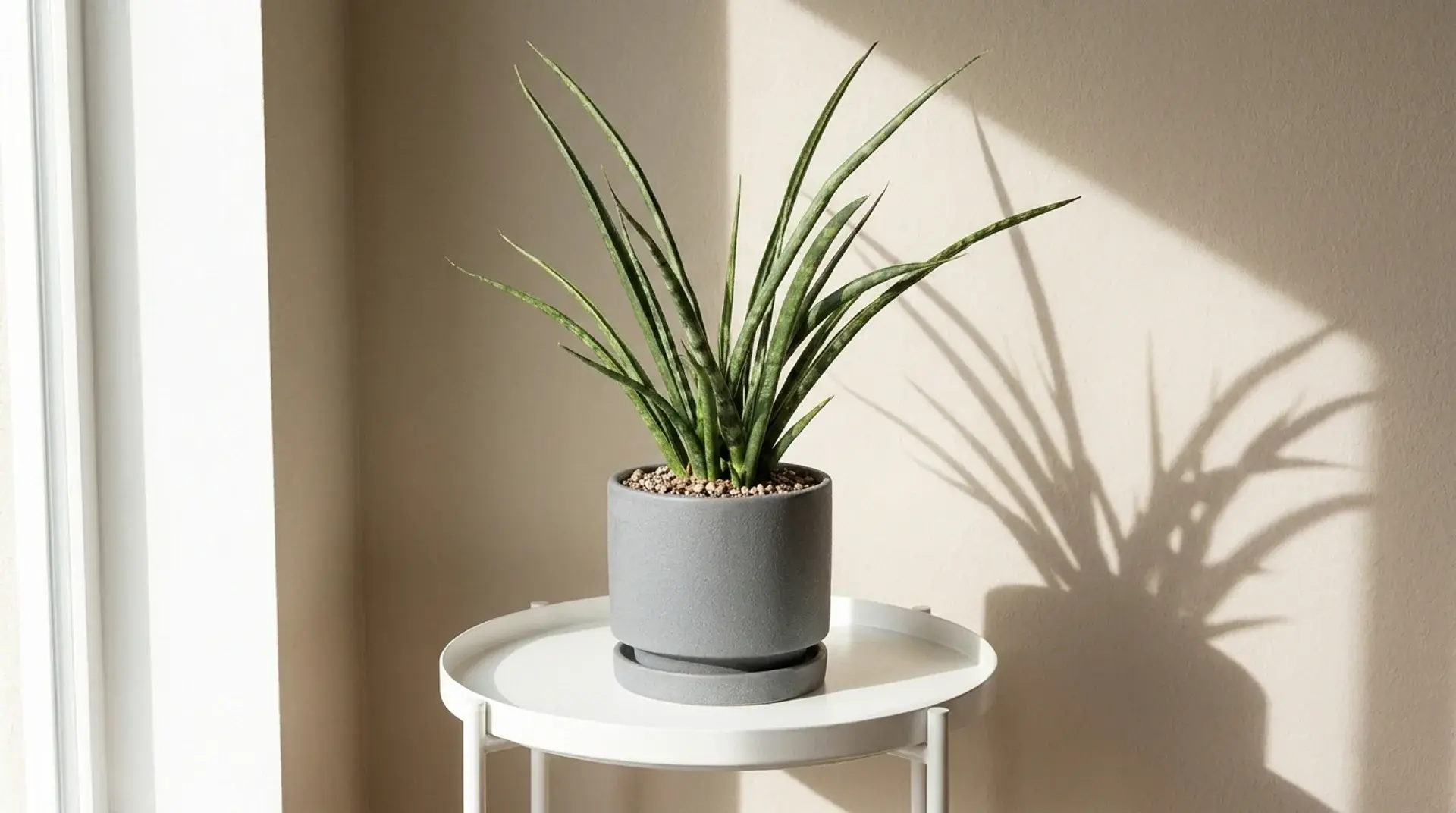

Dracaena has been a genus long loved as a houseplant. One of our favorites in the genus is Dracaena reflexa, and its yellow-edged form is known as the Song of India plant.
We love them for their ease of care and ability to thrive in a variety of conditions. Over time, these plants can grow to be small trees and develop interesting shapes as they mature.
Here is what to know about their light requirements, watering tips, size, pruning and propagation methods, and pet safety.
Dracaena Reflexa Care Tips
Dracaena reflexa is easygoing, and its care comes down to a handful of basics.
1. Light Requirements
Dracaena reflexa does best in medium to bright indirect light, which NC State Extension also lists as ideal. These hardy plants can be grown in lower light conditions, but will not mature as quickly.
Clemson Extension adds that a dracaena moved from dim light to a brighter spot grows thicker, stronger new leaves, though too much sun can leave dry patches. A well-lit spot out of direct sun suits it best.
2. Watering Tips
Allow your Dracaena reflexa to dry out between waterings, but not severely. Clemson Extension suggests waiting until the soil surface is dry to the touch, then watering thoroughly and avoiding cold water.
The frequency that you water will be dependent on the amount of light your plant is getting. The same logic applies when watering houseplants.
3. Humidity and Temperature
The best range for dracaenas is 60 to 70°F during the day, with nights about 10°F cooler. When indoor humidity drops below 30% to 40%, which is common in winter, plants benefit from occasional misting.
In most of the US, this plant lives indoors, since UF/IFAS lists its hardiness as USDA zones 10B through 11.
4. Soil and Feeding
A standard houseplant potting mix works as long as it drains quickly, since slow-draining soil is a common cause of root rot. Feed with a liquid foliage plant fertilizer about once a month in spring and summer.
NC State Extension describes dracaena fertilizer needs as low, and Clemson warns that heavy feeding can burn leaf tips.
How Big Can a Dracaena Reflexa Get?
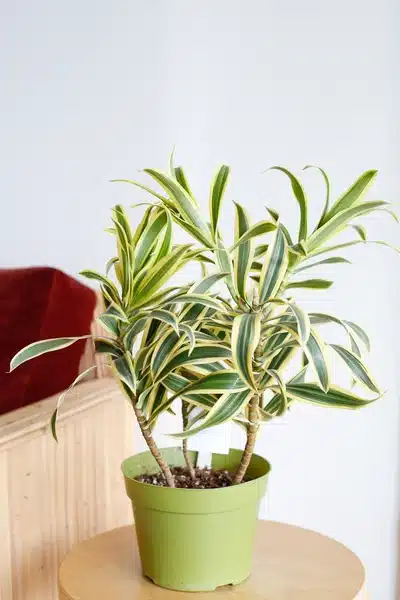
Given time, this slow grower works its way up into a small tree. Dracaena Reflexa reaches about 6 feet as a houseplant and can be pruned smaller, and its stems can be trained into shapes like braids or spirals.
UF/IFAS notes that 15- to 20-foot specimens exist in protected landscapes and inside buildings. Indoors, it rarely blooms.
Pruning and Propagation of Dracaena Reflexa
A little trimming keeps a tall plant full, and the cuttings make new plants. When stems get long and bare, cut them back to the height you want, and new leaves will soon appear.
Pruned stems usually grow two or more branches. Dracaenas are easy to propagate from tip or stem cuttings, air layering, or rooted basal shoots in spring or late summer. That makes them a friendly start for plant propagation.
Is Dracaena Reflexa Toxic to Pets?
If cats or dogs share your home, this is one to know about before you buy.
The ASPCA toxic plant list names Dracaena reflexa, which it calls Malaysian dracaena (also Song of India or pleomele), as toxic to dogs, cats, and horses.
Saponins are the toxic principle, and signs include vomiting, drooling, loss of appetite, depression, and dilated pupils in cats. NC State Extension also flags it as poisonous if ingested.
Important Note: If you suspect your pet has chewed a leaf, call your vet or ASPCA Animal Poison Control at (888) 426-4435 (a consultation fee may apply). |
|---|
Common Dracaena Reflexa Problems
Most trouble with this plant traces back to watering, dry air, or pests.
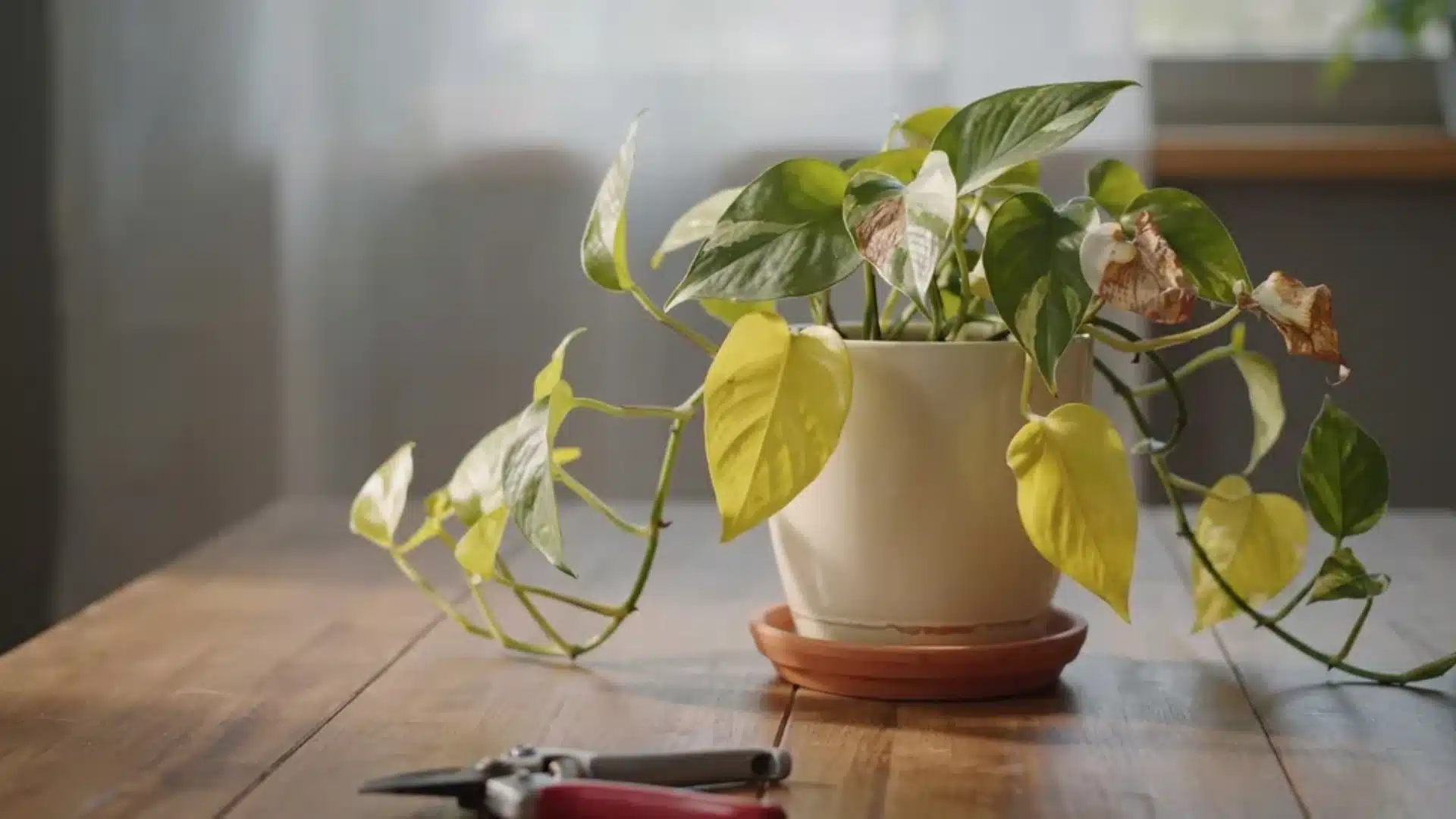
Brown or yellow leaf tips: Clemson Extension traces dry tips to low humidity, and yellowing tips to fluoride or heavy fertilizing.
Dry patches: Round dry patches can come from too much sun on the leaves.
Sudden leaf drop: Occurs due to temperature swings, drafts, too much water, poor drainage, and heavy insect infestations. Slowly losing the lowest leaves as the plant grows taller is normal.
Root rot: It usually follows overly frequent watering or soil that drains slowly.
Pests: Scale and mites are the most common. Diseases are rarely a problem indoors, so pests and watering are the first places to look.
Dracaena reflexa rewards patience. It adds height slowly, and a bright spot with steady watering is most of what it asks for. In time, that patience turns into the tall, tree-like plant you pictured.
Frequently Asked Questions
Do Dracaena plants like big pots?
No, Dracaena plants generally do not like big pots. Dracaenas are sensitive to overwatering and have thick, fleshy roots. When you put a Dracaena in a pot that is too large, the excess soil holds onto moisture.
What is the lifespan of a Dracaena?
The lifespan of a Dracaena ranges from 10 to 20+ years indoors, while outdoor species like the dragon tree (Dracaena draco) can live for centuries in the wild.
Should I cut the brown tips off my Dracaena plant?
Yes, you can cut the brown tips off your Dracaena plant, or remove the entire leaf if you prefer a cleaner look. Use clean, sharp scissors and follow the natural shape of the leaf.