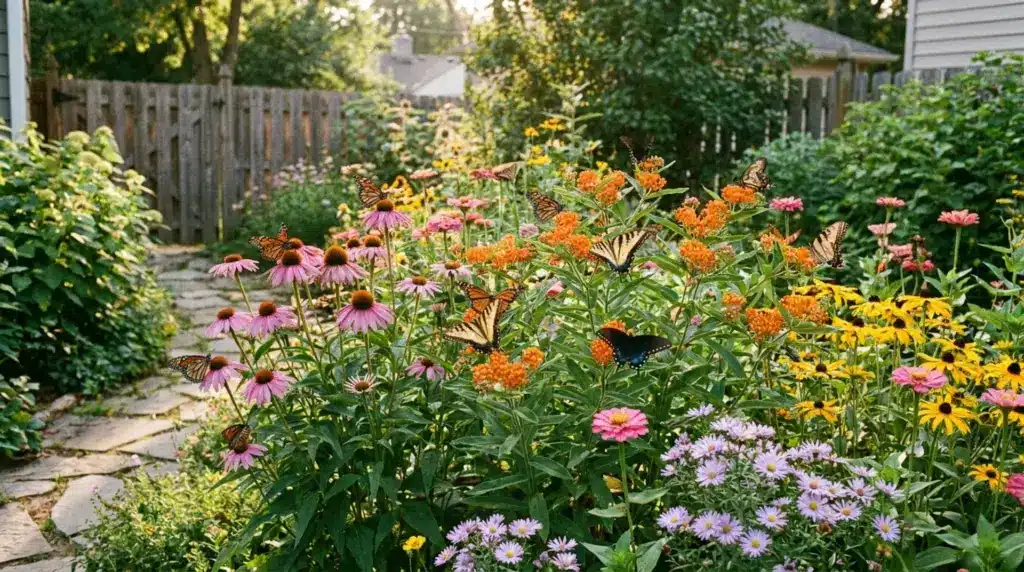
Butterflies do not land on flowers by chance. They follow color, shape, and scent cues built into their eyes and antennae.
Butterflies carry far more color photoreceptors than humans do, sometimes several times as many. That means a bloom that looks plain to you might glow brightly to a passing swallowtail.
This gap matters more than ever. A 2025 assessment published through NatureServe found that more than one in five native pollinator species in North America, including nearly a fifth of butterfly species assessed, now face an elevated risk of extinction.
Every yard planted with the right flowers gives these insects another place to feed and raise the next generation.
Picking the right flowers is only half the job. Planting them well, with water nearby and no pesticides in the bed, is what turns visits into a season-long habit.
Here are 15 flowers proven to draw butterflies to yards across the US, along with quick notes on bloom time and care.
1. Milkweed (Asclepias)
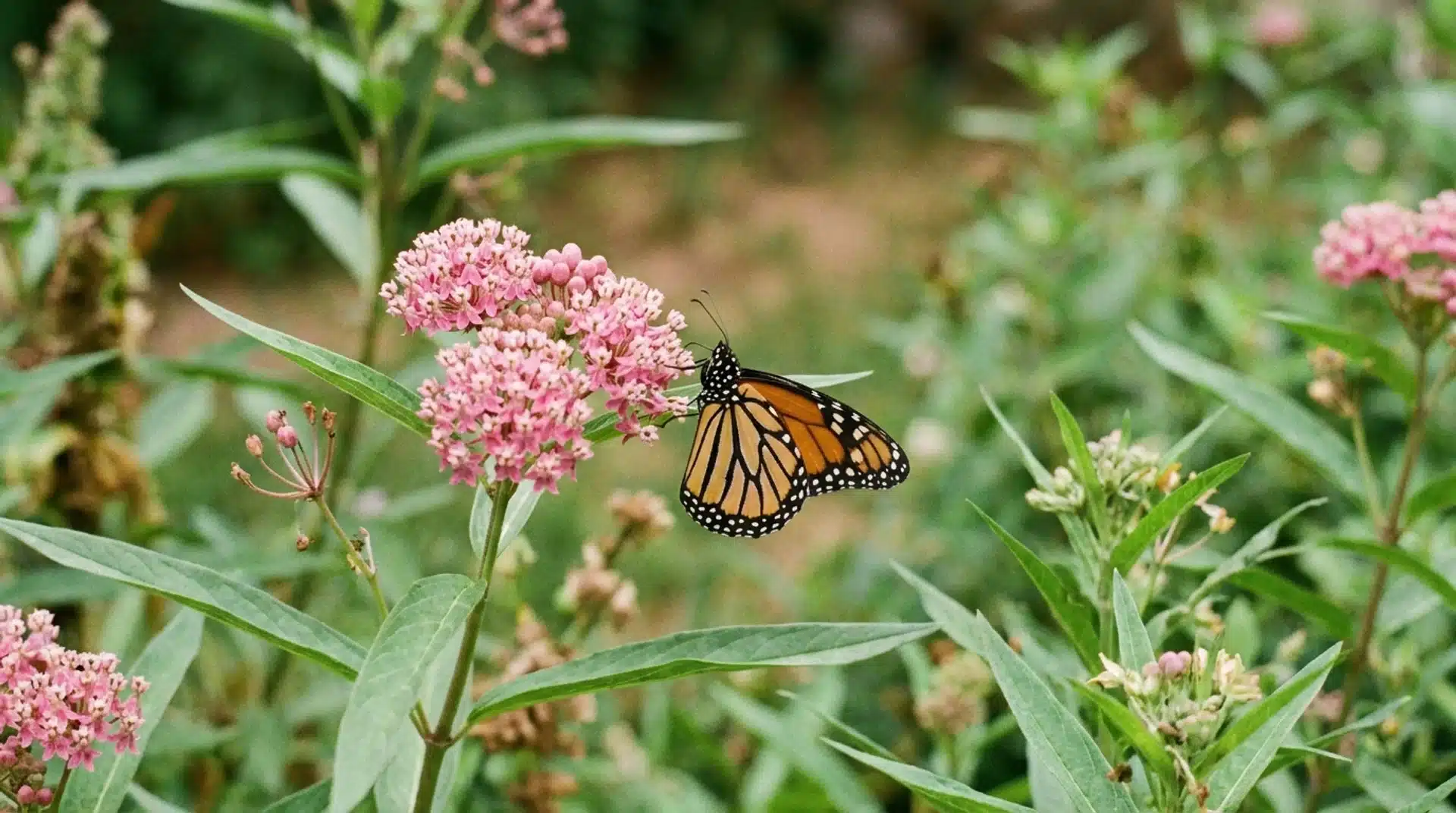
This perennial is the only plant where monarch butterflies lay their eggs.
Without it, monarch caterpillars have nowhere to feed. Milkweed blooms in shades of pink, orange, or white from early to late summer in full sun. It grows 2 to 4 feet tall and comes back reliably in USDA zones 3 to 9.
2. Butterfly Bush (Buddleja)
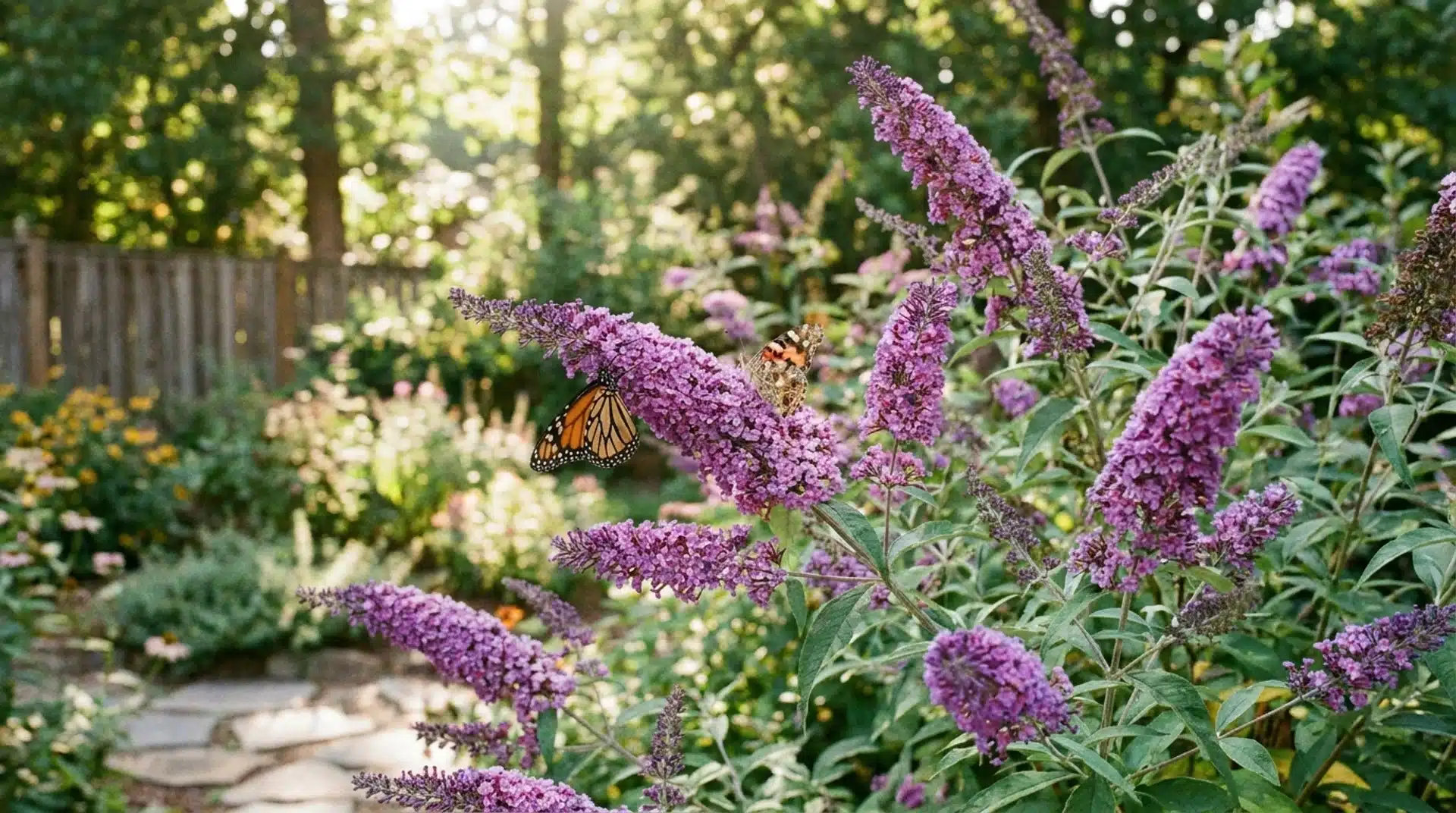
This fast-growing shrub blooms in shades of purple or pink, with white varieties also available, for months on end.
It can reach 5 to 10 feet tall and can spread aggressively in some states, so check local guidance before you plant it in your yard.
3. Coneflower (Echinacea purpurea)
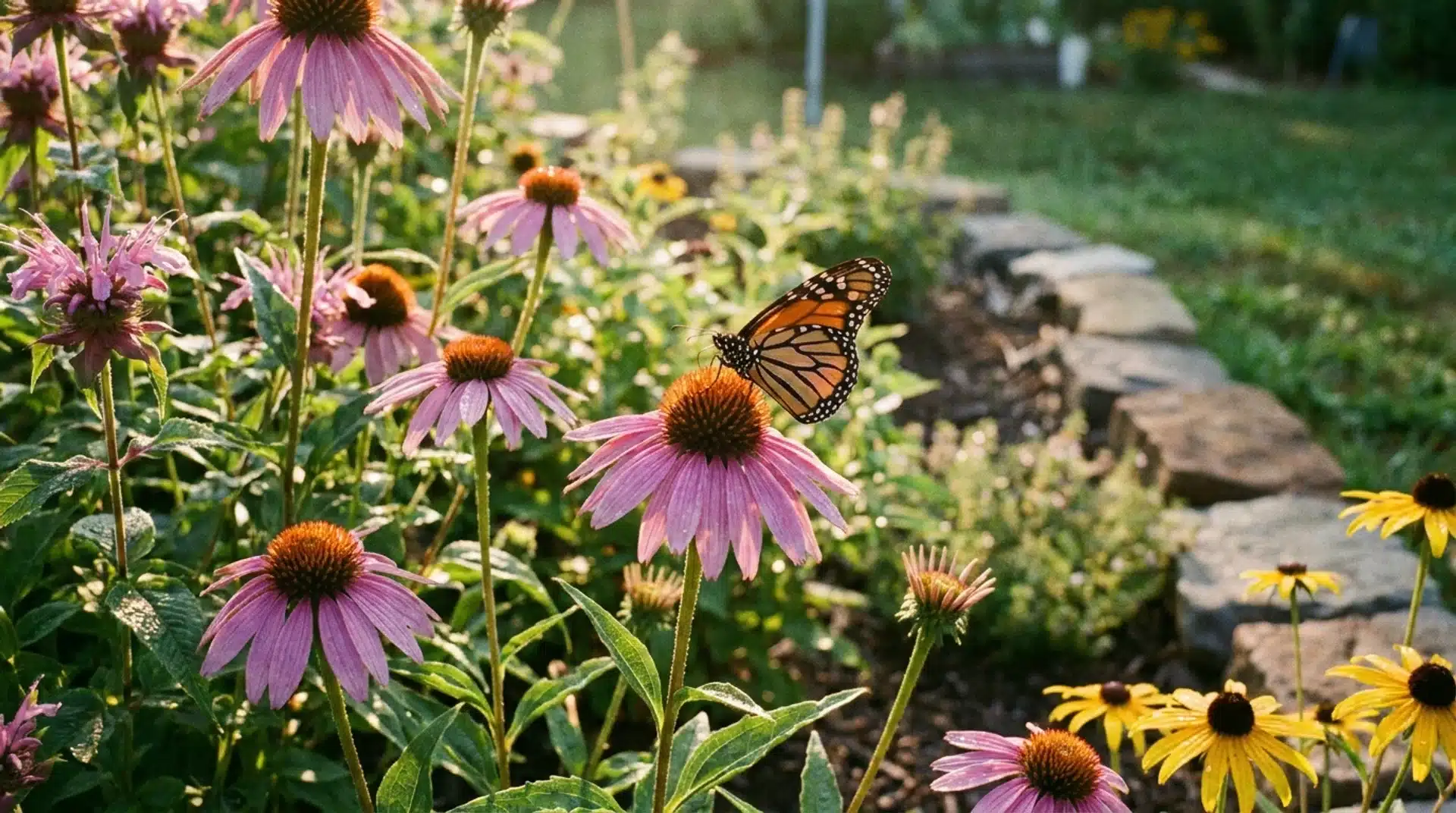
A tough native perennial with a flat, daisy-like bloom gives butterflies an easy landing spot. Its purple or white petals flower from midsummer into fall and handle dry soil once established. Plants reach 2 to 4 feet tall and thrive in USDA zones 3 to 9.
4. Black-Eyed Susan (Rudbeckia hirta)
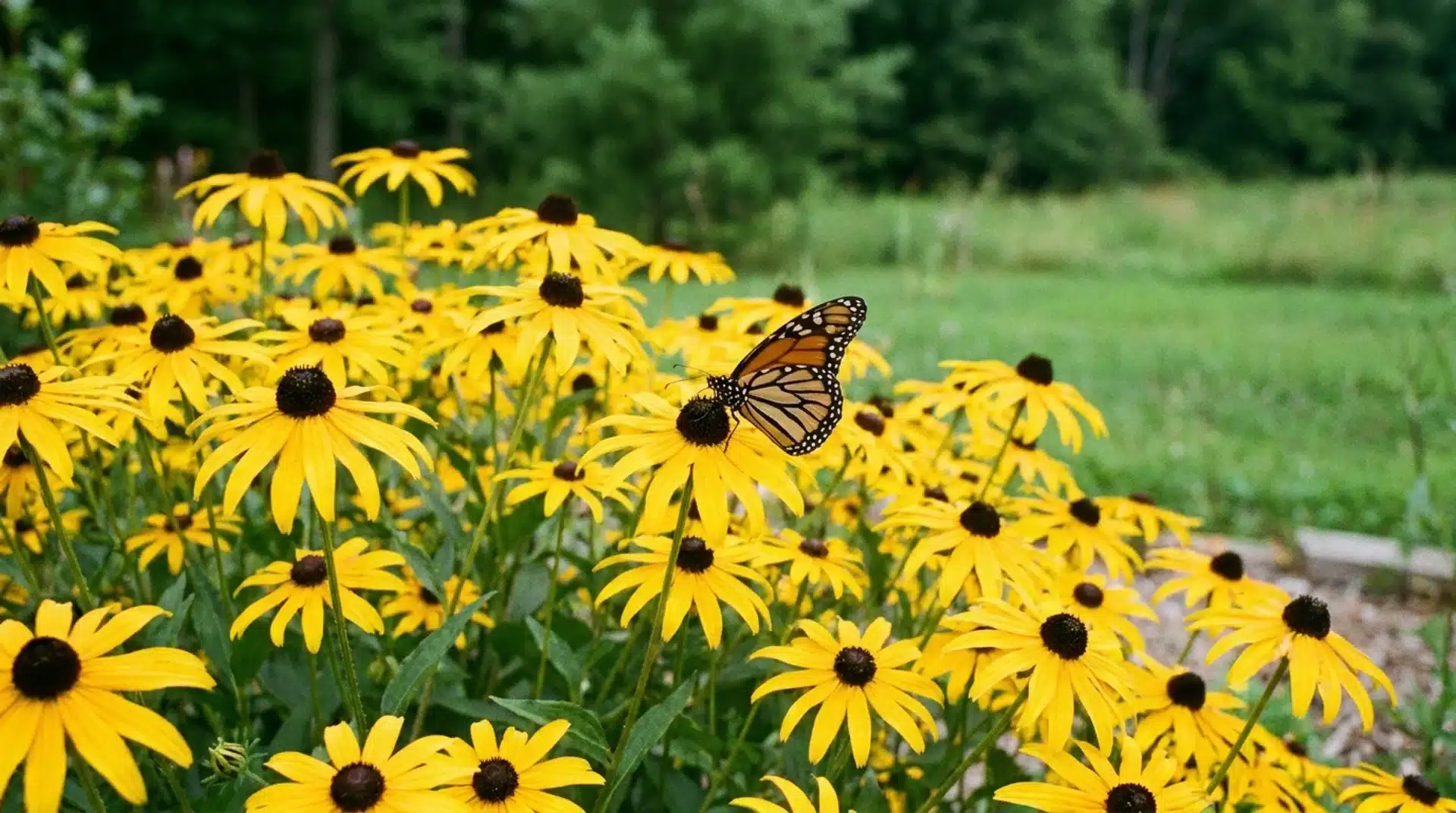
This bright yellow native wildflower blooms from June through August. It grows well in average or poor soil and needs little care once it settles into a bed.
5. Blazing Star (Liatris)
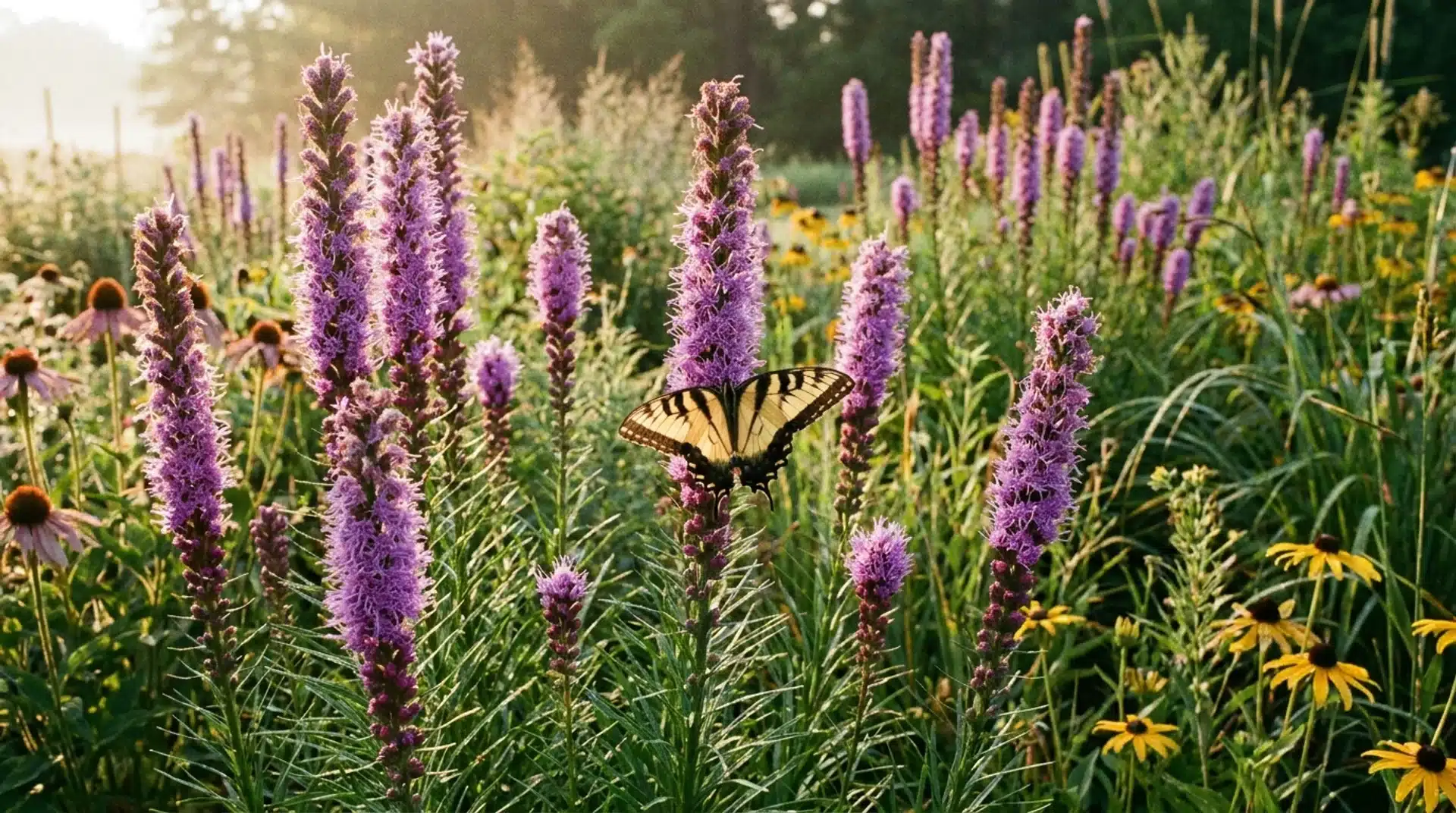
Also called gayfeather, this native perennial grows tall purple spikes made of dozens of tiny flowers. Its dense bloom clusters make ideal landing pads and peak in late summer.
6. Aster
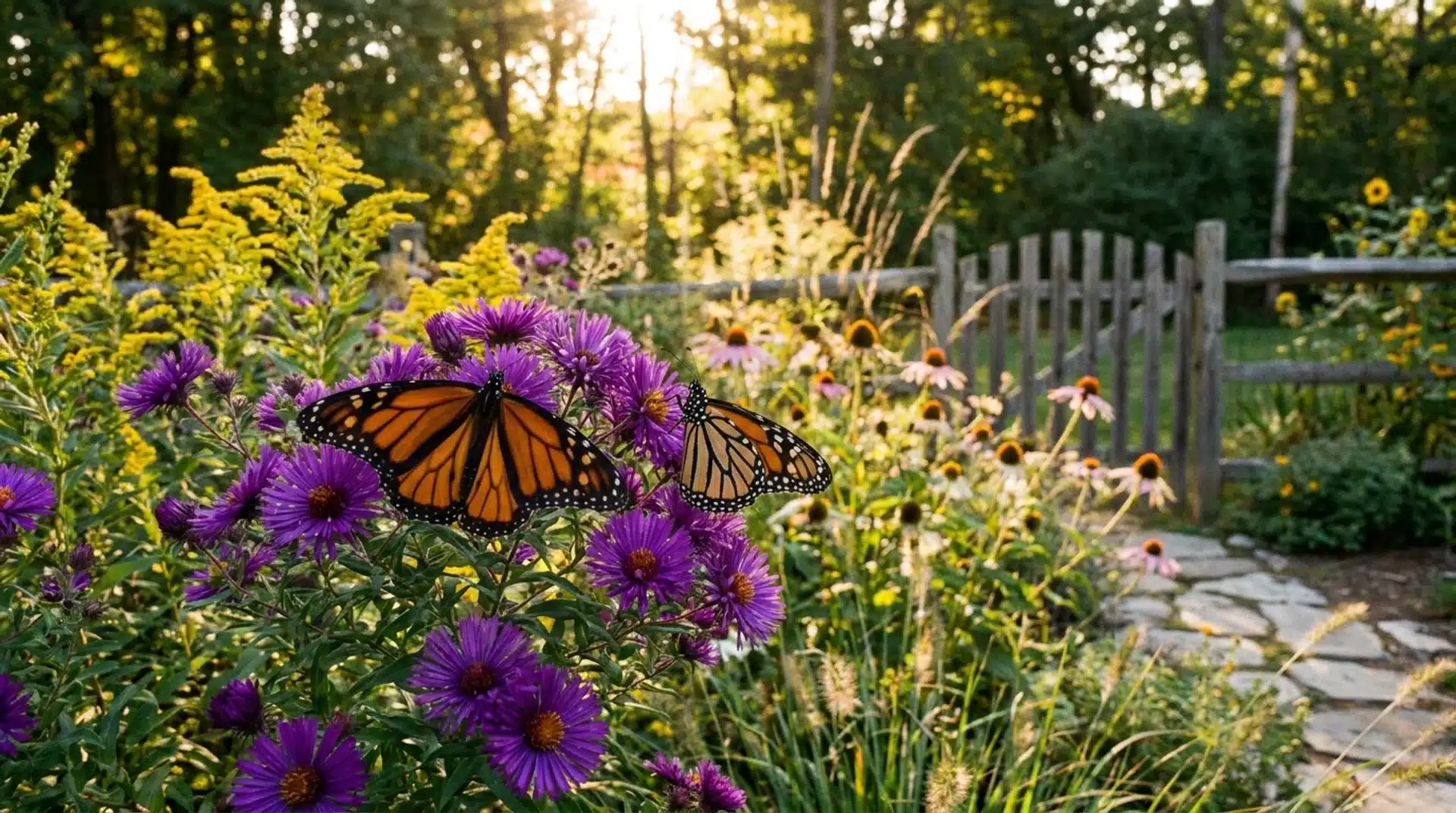
Asters bloom in blue and purple, sometimes pink, late in the season, right when many other flowers start to fade for the year. They give migrating monarchs a key food source before cold weather sets in.
7. Zinnia
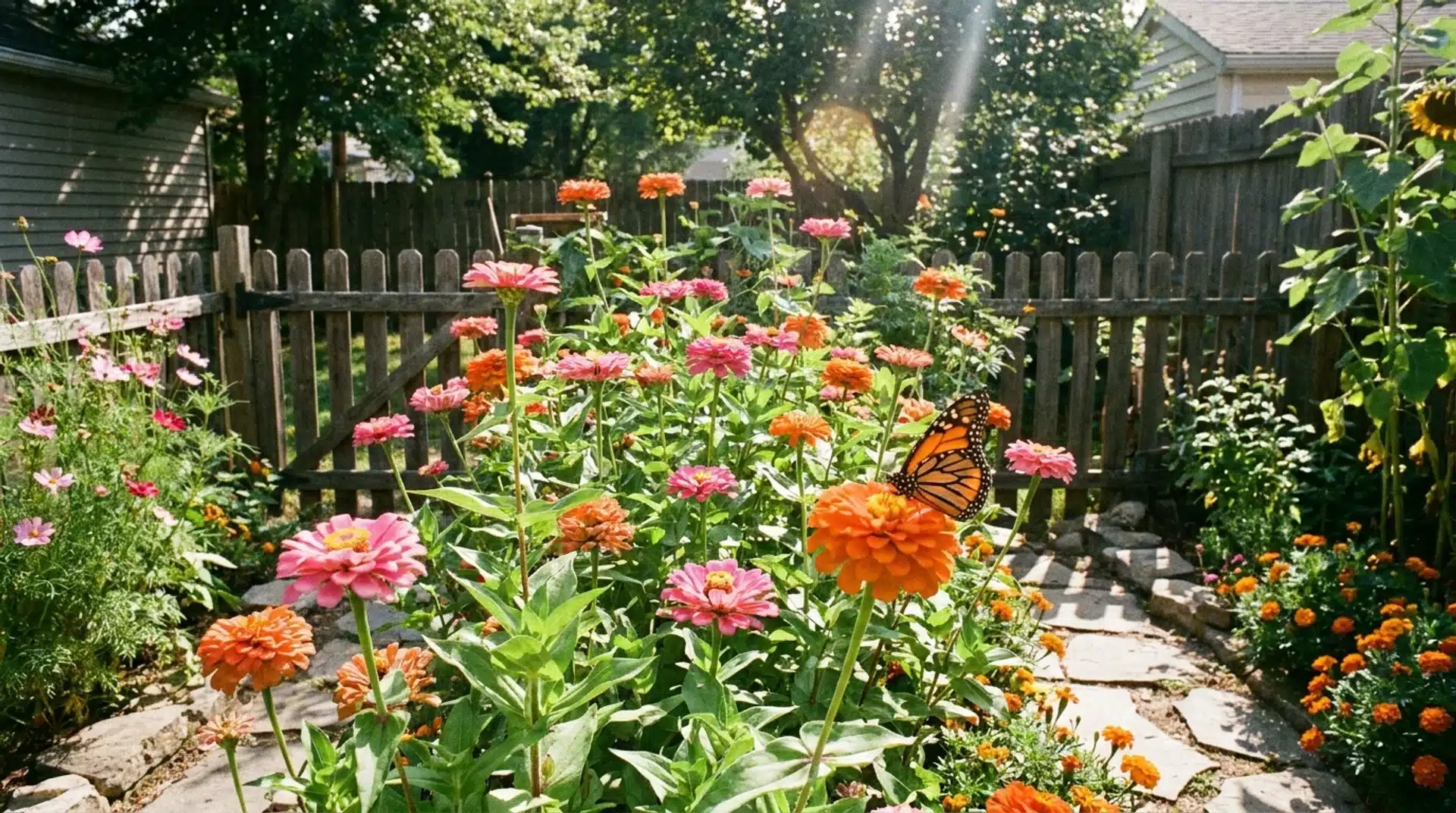
This fast-growing annual blooms in bold red and orange tones, with pink varieties too, all summer long. The height of zinnias varies by variety, so check the tag before picking a spot in the bed.
It grows well in pots, which makes it a solid pick for balconies or small patios. Starting from a zinnia seedling instead of direct-sowing gives quicker blooms in short growing seasons.
8. Bee Balm (Monarda)
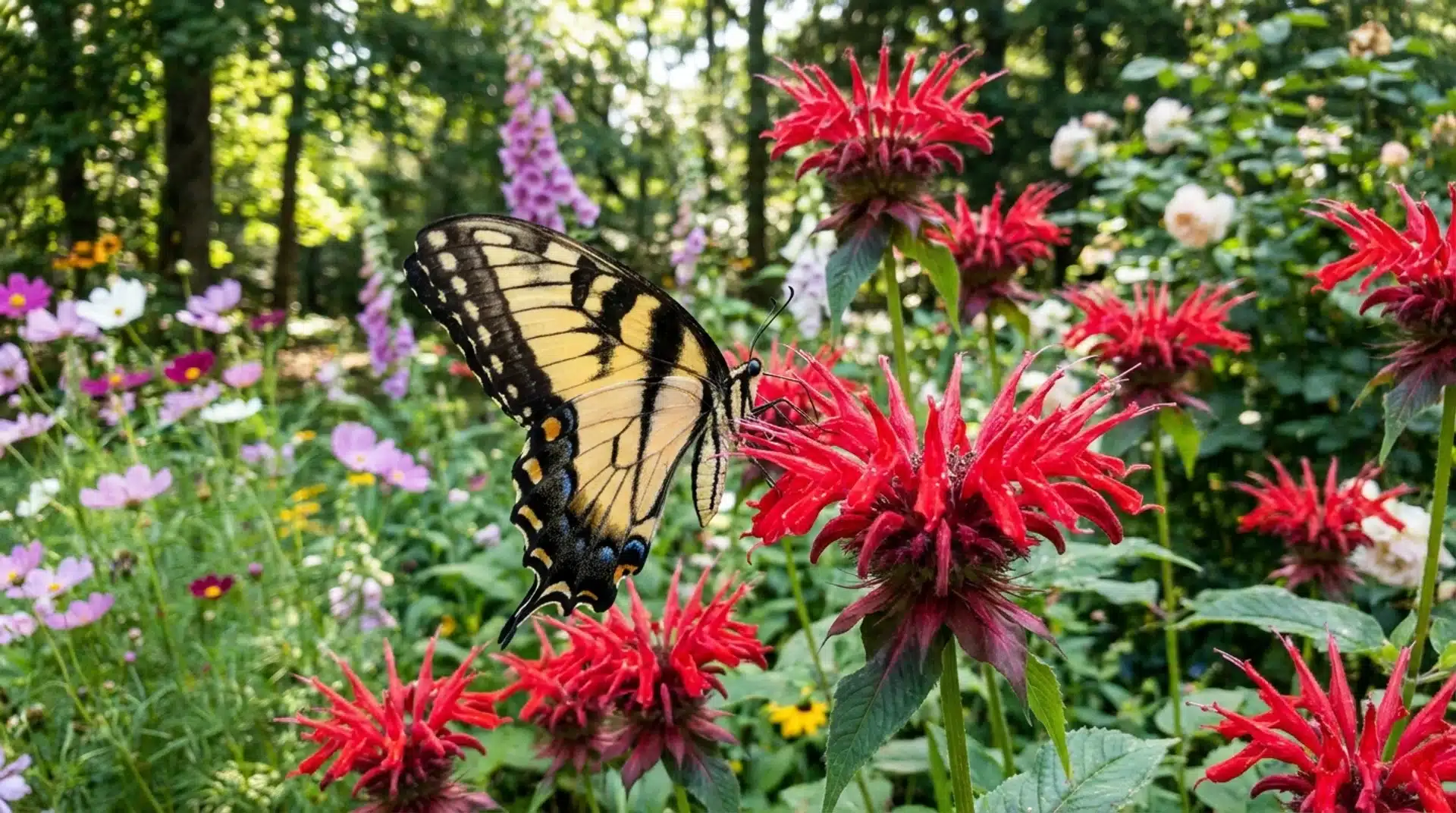
Bee balm produces shaggy, tube-shaped blooms in red or purple that swallowtails favor. It flowers in midsummer and returns each year once it settles in.
9. Lantana
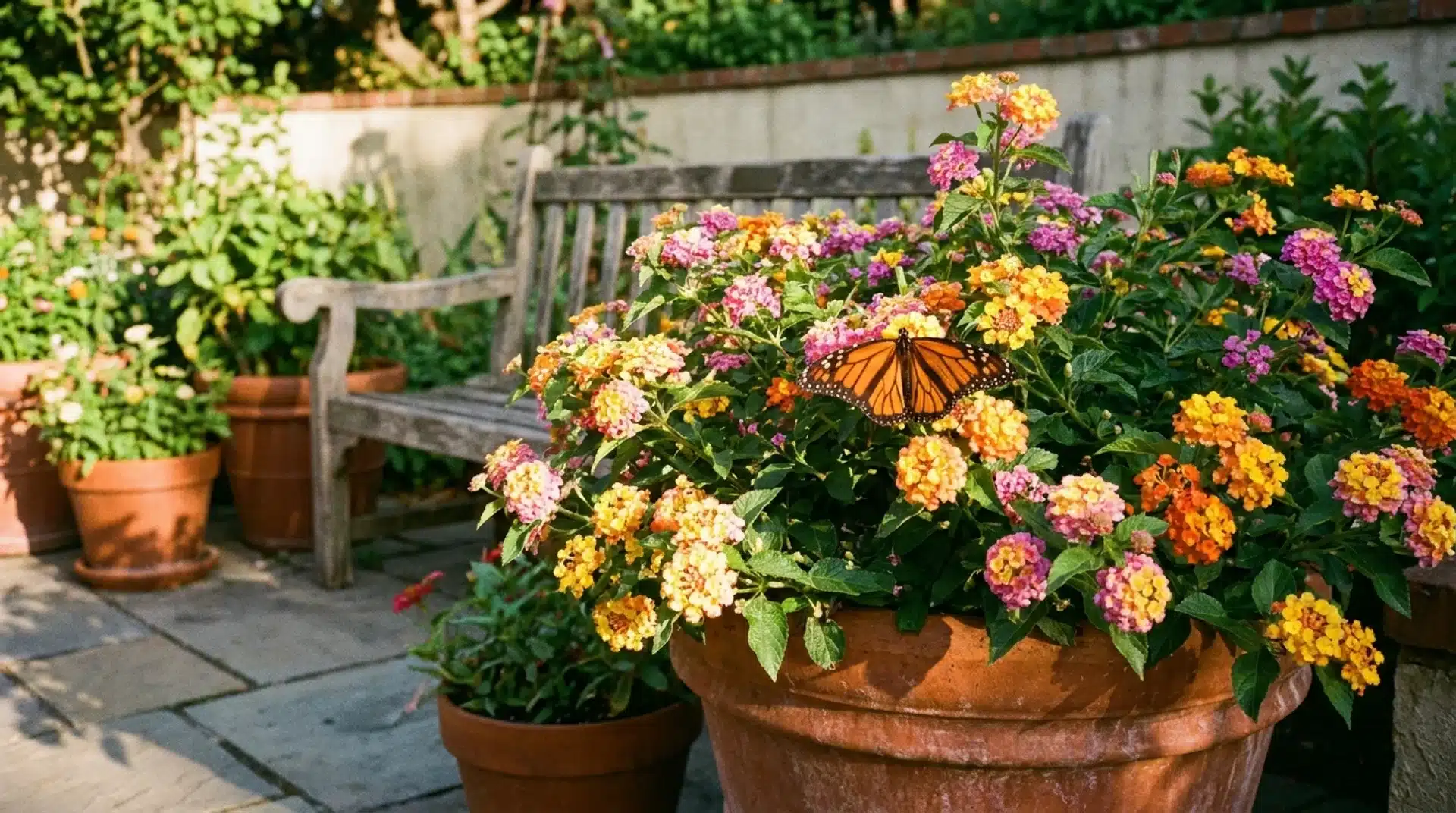
Lantana handles heat and drought better than most flowering plants sold at garden centers. Its clustered blooms shift color as they age and stay open from spring through the first frost.
10. Marigold
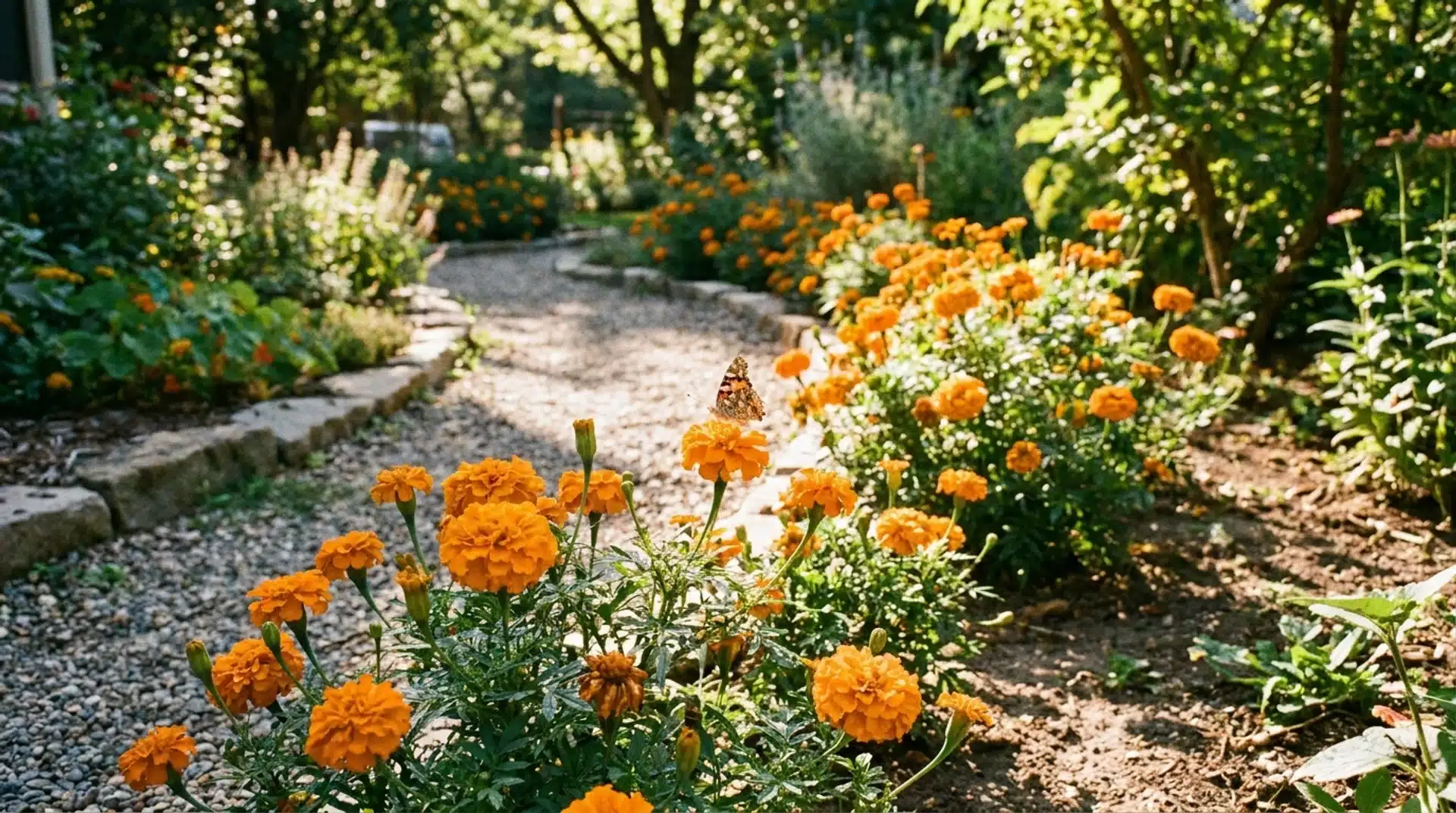
Marigolds are cheap, easy to grow from seed, and bloom in gold and orange within just a few weeks. They work well for beginners or for children learning how to garden.
Marigolds pull double duty in a vegetable garden too. Many gardeners plant them near tomatoes because the scent helps keep aphids and pests away.
11. Sunflower (Helianthus)
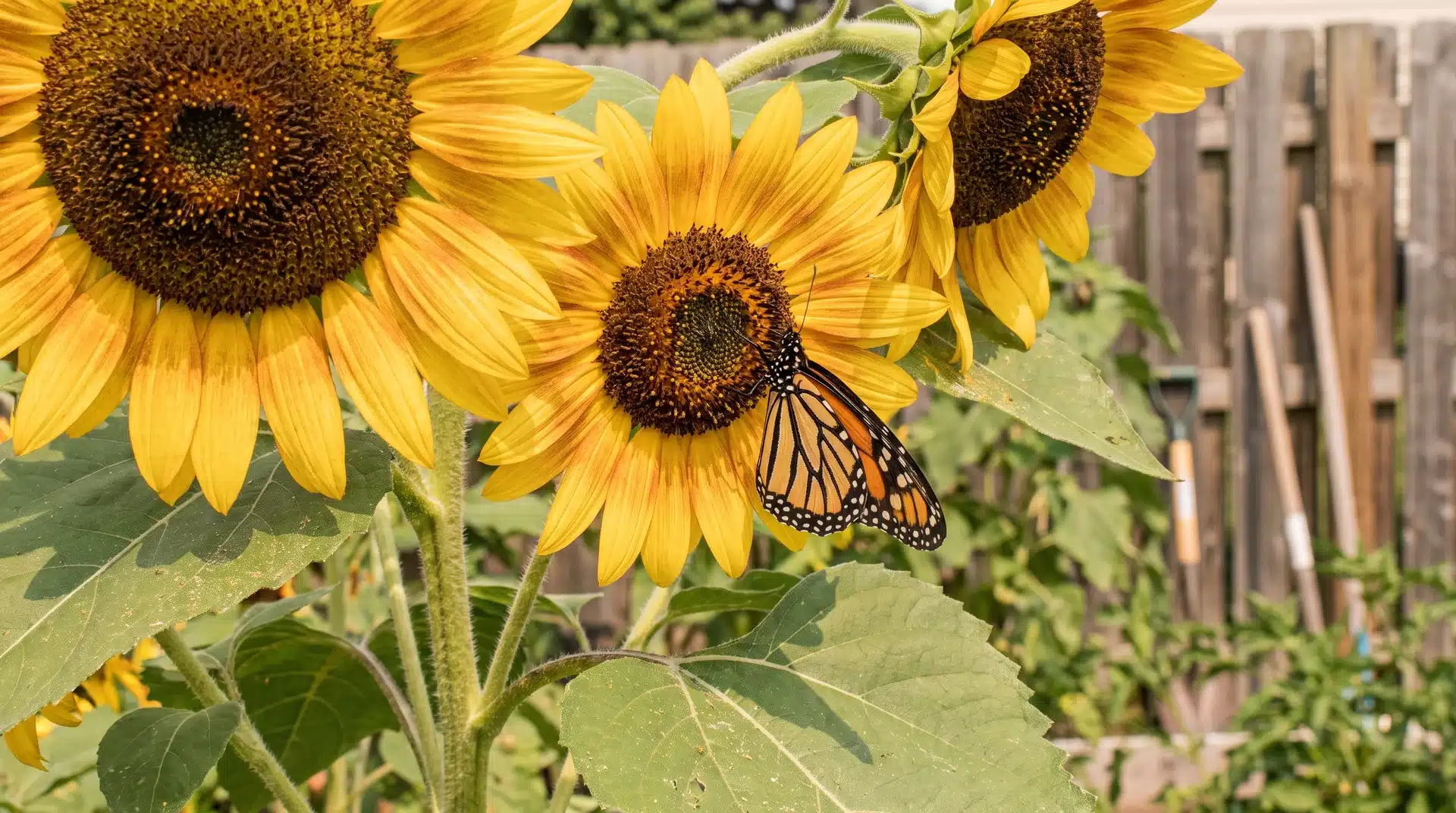
Sunflowers offer large, flat golden blooms that butterflies can land on with ease. Annual types flower in mid to late summer, while perennial forms peak in early fall.
Sunflowers grow easily from seed. For exact timing and spacing, sunflower seed planting basics are worth a look before you sow.
12. Verbena
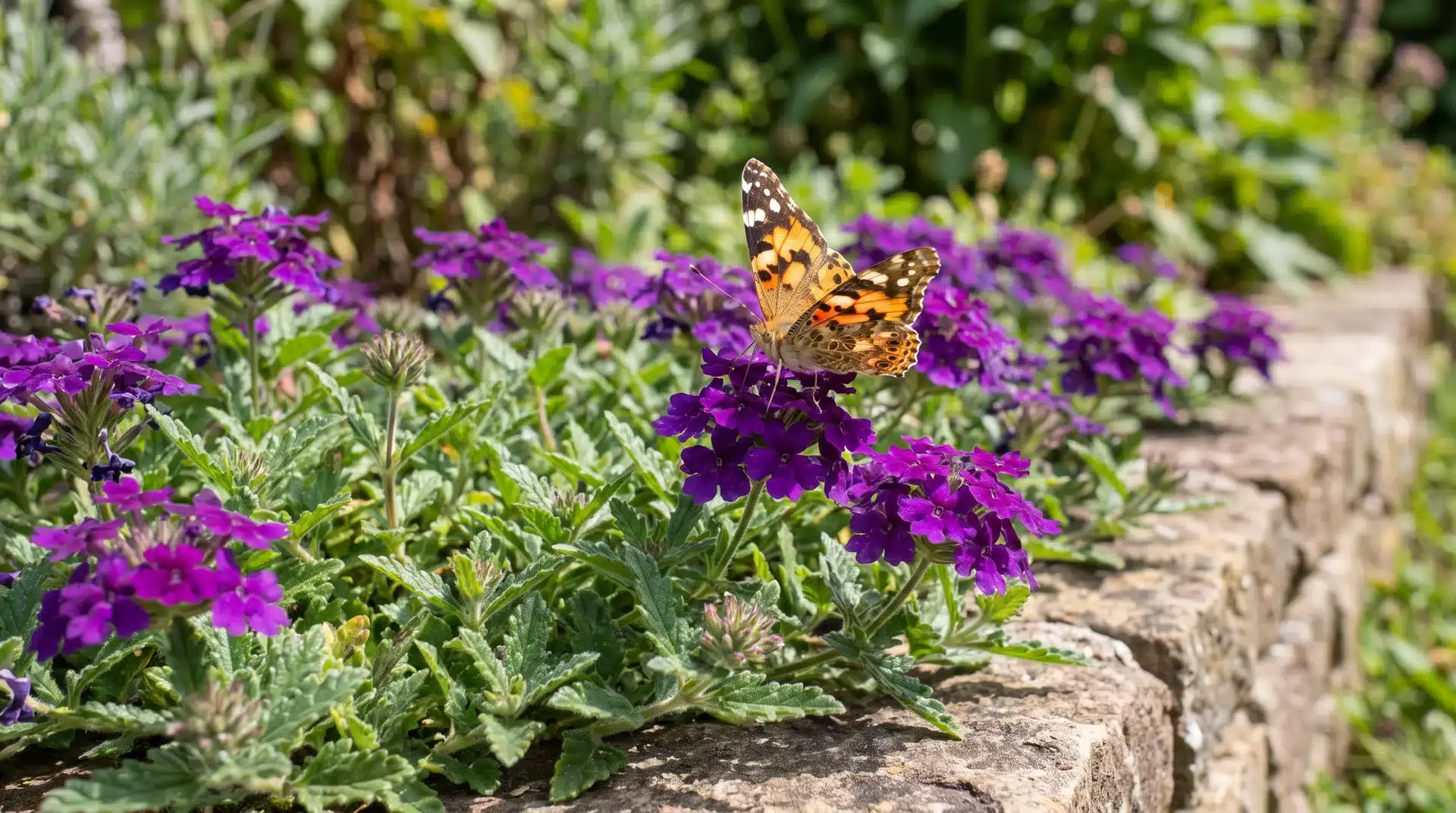
Low-growing verbena produces small purple or pink clustered flowers that work well along garden borders. It blooms through summer and often keeps going well into fall.
13. Joe Pye Weed
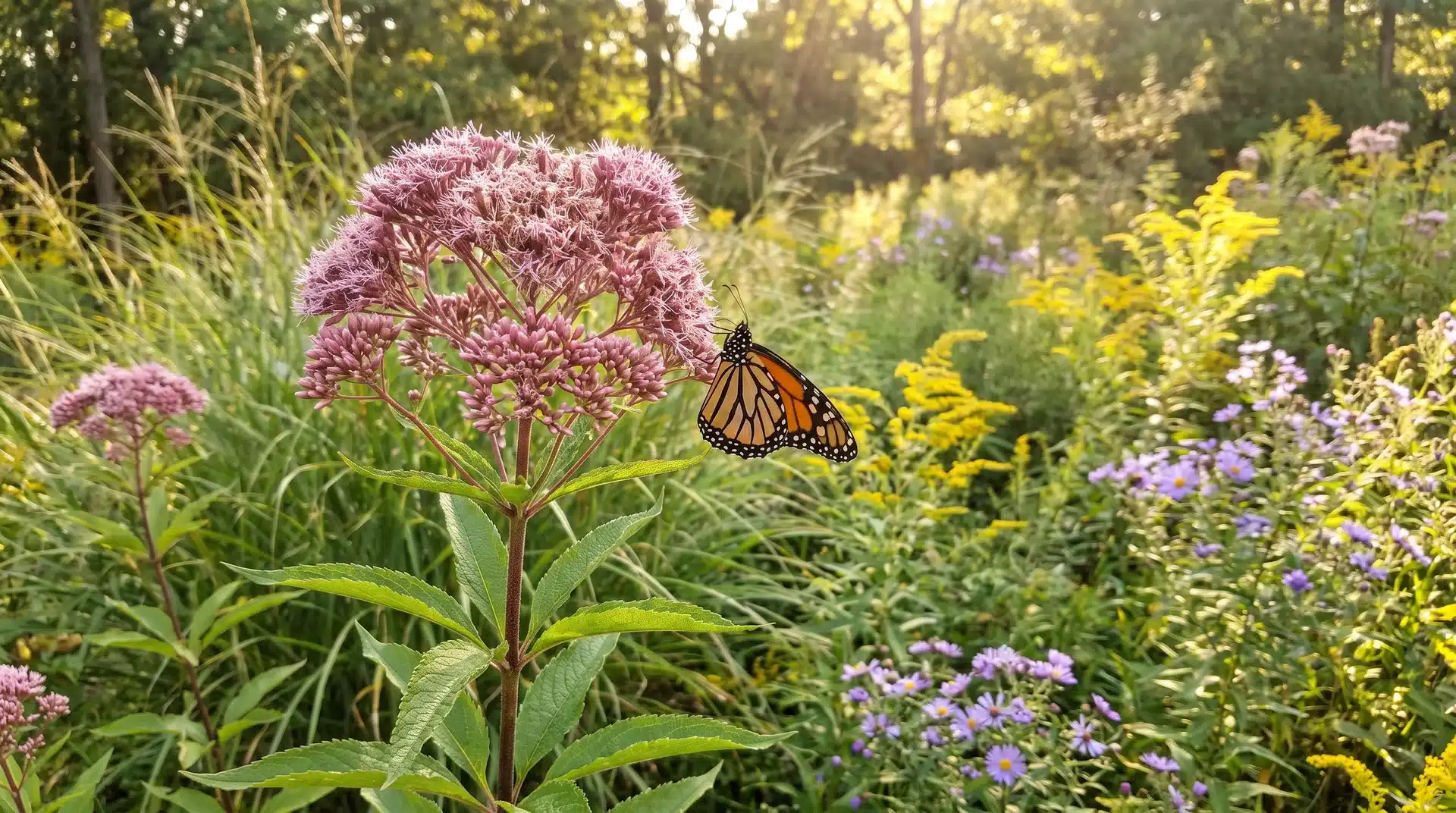
This tall native perennial produces large, dusty pink flower clusters in late summer. It thrives in moist soil and draws monarchs during their fall migration south.
14. Coreopsis (Tickseed)
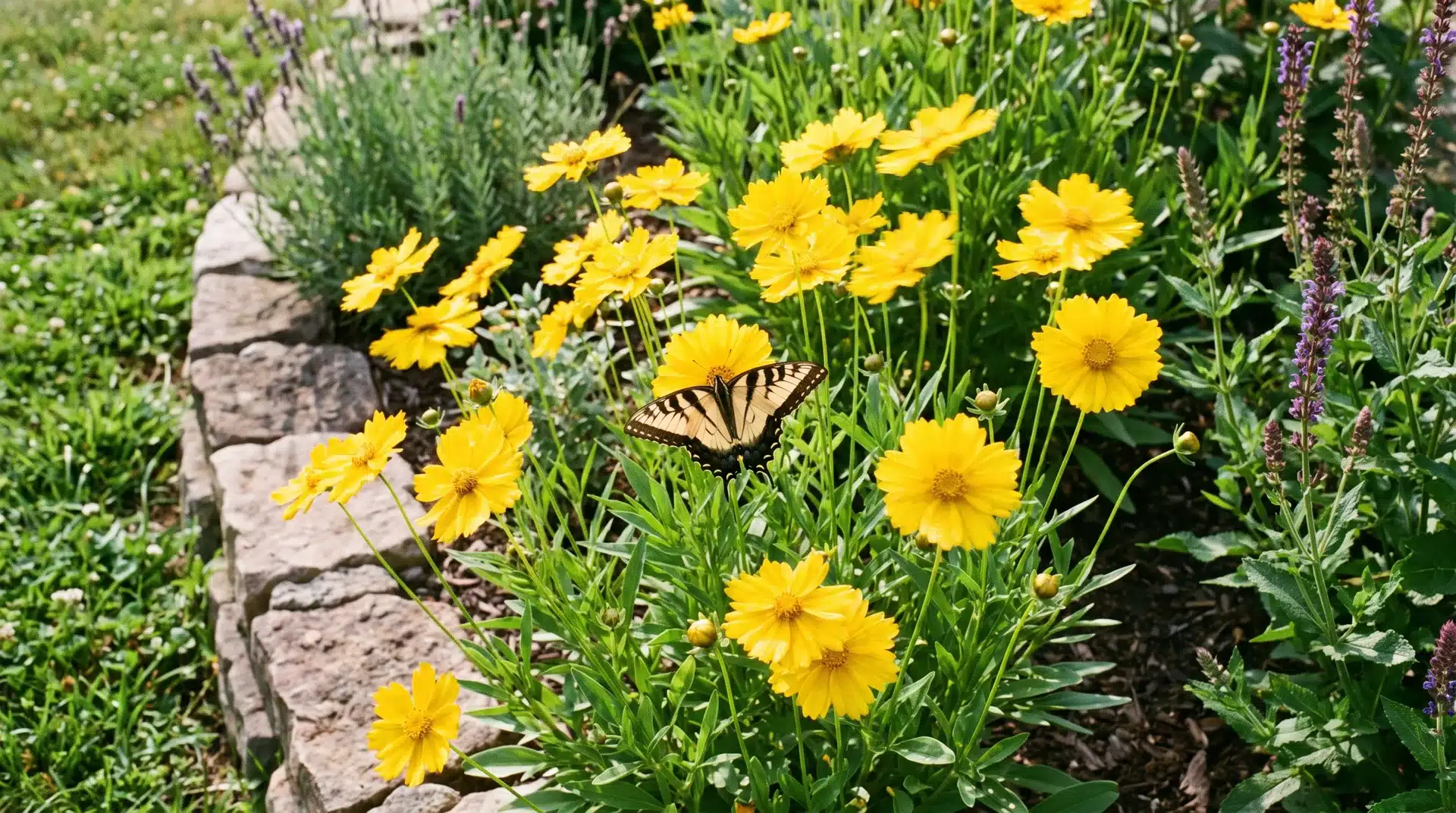
One of the earliest perennials to bloom, this yellow flower often starts as soon as June. It tolerates drought well and keeps blooming for months with only light care.
15. Phlox
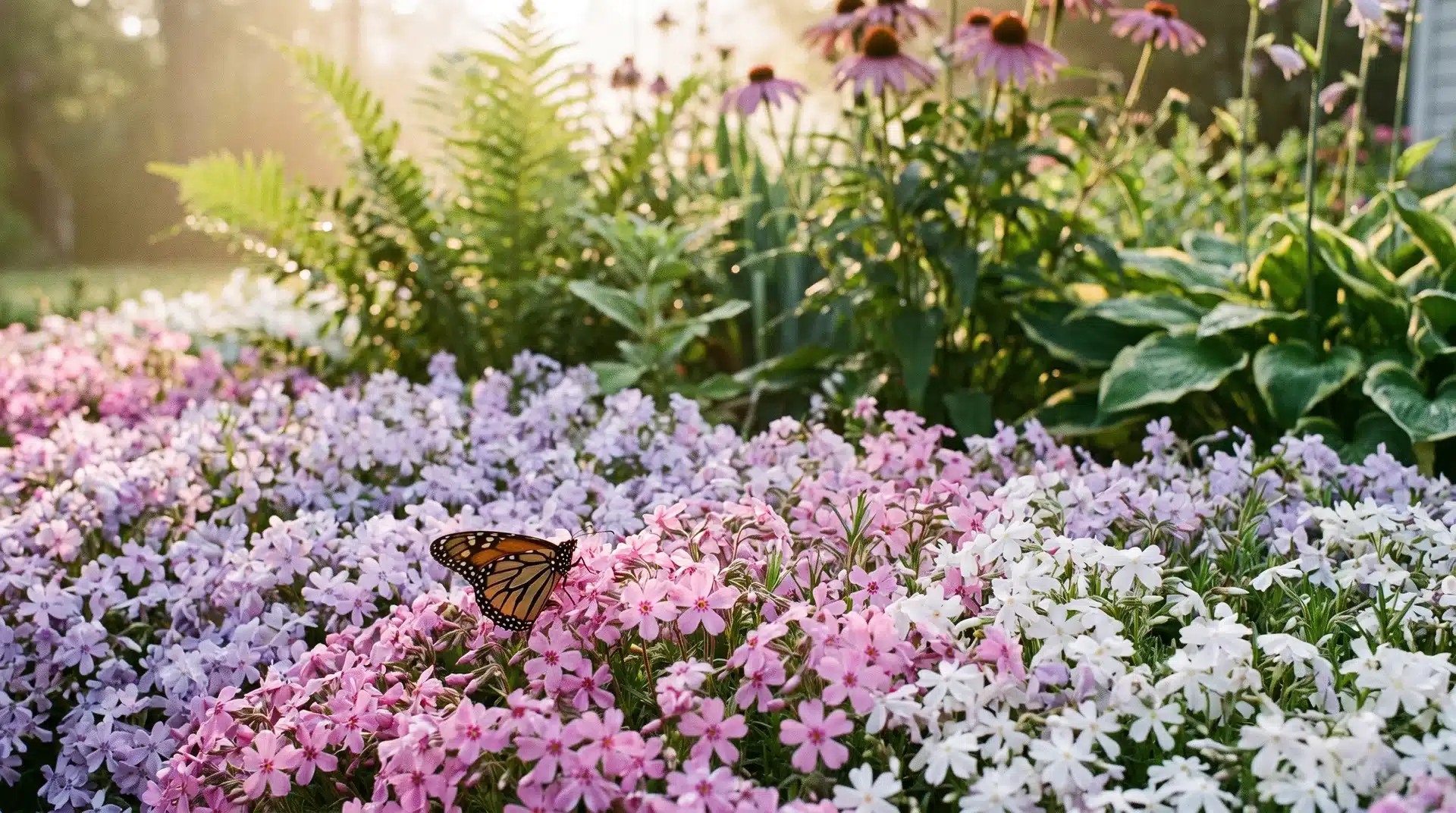
Phlox forms a low blanket of pink and purple blooms, sometimes white, that lasts all summer long. It works well as a groundcover planted near taller butterfly flowers in the same bed.
What Makes a Flower Attractive to Butterflies
Before picking plants, it helps to know what butterflies actually look for in a bloom.
Color plays a large role. Butterflies tend to favor purple, yellow, orange, red, and pink blooms over pale or muted shades.
Their wide color range lets them spot bold blooms from farther away than most other pollinators can manage. This is why a single white flower often gets skipped in favor of a nearby purple one.
Shape matters just as much as color. According to the Penn State Center for Pollinator Research, butterflies cannot hover while they feed.
This means they prefer flat flowers with room to land, or small blooms packed tightly into clusters. Both shapes give their legs a steady place to grip while they drink nectar.
Scent and nectar volume matter too. A flower can look striking and still offer little food if breeders shape it for looks rather than function.
Older, simpler flower varieties usually beat modern double-petal hybrids at feeding real pollinators. Extra rows of petals often block easy access to the nectar hidden inside. When that happens, butterflies tend to move on to a simpler bloom nearby instead.
It also helps to know the difference between a nectar plant and a host plant. Nectar plants feed adult butterflies as they fly from bloom to bloom.
Host plants feed caterpillars before they ever grow wings, and most caterpillars only eat one or two specific plant families. Milkweed is the best-known example, since monarch caterpillars eat almost nothing else.
A yard with both nectar plants and host plants supports the full butterfly life cycle. It feeds the adults passing through and the caterpillars growing nearby.
The Best Way to Plant Flowers for More Butterflies
On my flower farm in North Carolina, how you plant butterfly flowers matters as much as which ones you pick.
Butterflies have limited eyesight at a distance. They rely on visual mass, not single stems, to spot a food source. A single coneflower planted alone is easy for a passing butterfly to miss entirely.
Ten coneflowers planted together in one cluster stand out clearly from across a yard, even on a cloudy day.
Group each flower type in patches of at least three to five plants. Skip the habit of scattering one of each flower throughout a bed.
A garden built around clusters draws far more visits than a garden with the same flowers spread thin. Even a small yard can use this trick.
Try grouping pots of the same flower along a fence line or patio edge. This works far better than spreading single pots around the yard.
Do Not Forget Water and a Chemical-Free Yard
Flowers alone will not keep butterflies coming back all season. Butterflies need shallow puddles of water for minerals and salts.
Gardeners call this behavior puddling. A shallow dish filled with wet sand or small stones gives butterflies a safe place to gather and drink. Refresh the water every few days so it does not turn stagnant in the heat.
Skip pesticides and insecticides in any bed meant to support butterflies. These chemicals can kill caterpillars long before they ever grow wings, even when applied carefully around nearby plants.
A butterfly garden only works well if it protects the whole life cycle. That means the eggs and caterpillars, not just the adult stage that visitors notice first.
Bring the Butterflies Home
Attracting butterflies comes down to a handful of simple choices. Pick flowers with the right color and shape, and time your choices to your region’s bloom season.
Plant them in clusters rather than single stems. Add a shallow water source and skip chemical sprays near the bed.
Start with three or four flowers from this list, such as milkweed, coneflower, and zinnia. Add more each season as space and budget allow.
Within a single year, your yard can turn into a steady stop along the local butterfly route. Give it one bloom at a time, and let the garden fill in naturally from there.
Frequently Asked Questions
What Is the Best Flower to Attract Butterflies?
Milkweed and coneflower are two of the most reliable picks. Milkweed hosts monarch caterpillars, and coneflower’s flat blooms give adults an easy place to land.
Will Sugar Water Attract Butterflies?
Sugar water can give a weak butterfly a quick energy boost, but it isn’t a substitute for real flowers. Fresh nectar feeds them better and supports their natural feeding habits.
How Long Does It Take to Attract Butterflies to a New Garden?
Butterflies can find fresh blooms within days if flowers are already open. A full butterfly population, including caterpillars and eggs, usually takes one to two growing seasons to settle in.
Do Butterflies Prefer Native Flowers Over Non-Native Ones?
Native flowers tend to draw more butterfly species, since local butterflies evolved alongside them. Non-native annuals like zinnia still provide good nectar, just with less overall diversity of visitors.