One ant on your counter means hundreds are already nearby.
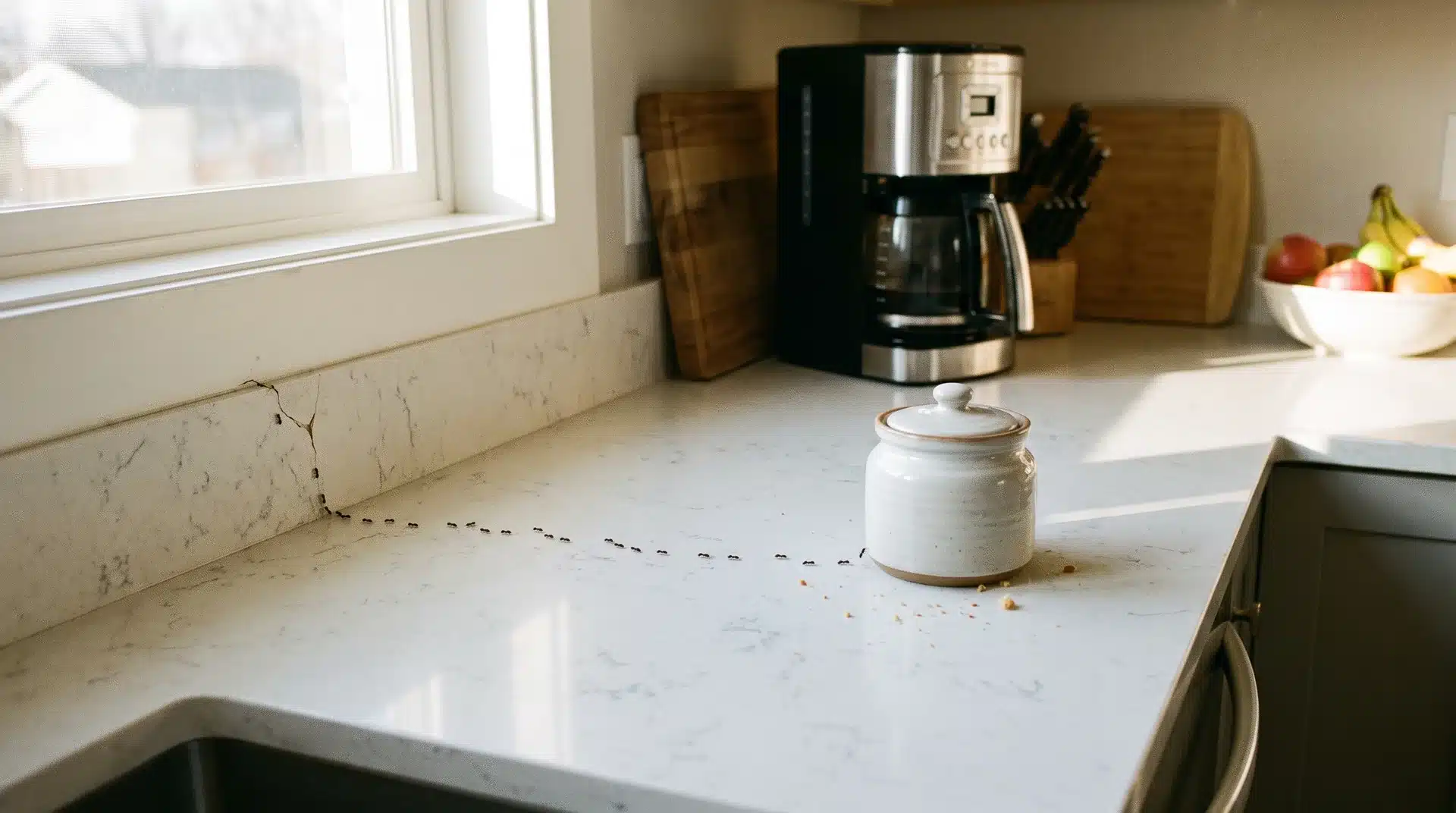
That is not an exaggeration. A single forager finds a food or water source inside your home and leaves a chemical trail back to the nest.
Other workers pick up that signal and follow it. Within hours, you have a line of ants moving across your kitchen floor.
I used to grab the spray can the second I saw ants crossing my counter here in Austin. It never worked for long. Spraying kills the workers you can see.
The colony behind the wall keeps going, and the ants come back within a day or two.
This post covers what draws ants inside, how they get in, and what actually stops them for good.
What Attracts Ants into Your Home?
Ants come inside for food, moisture, or shelter. Most infestations start with at least one of these conditions going unaddressed.
Food is the most common draw. Ants target sweets, grease, starch, and protein. A sticky honey jar lid left on the counter can start a trail.
So can a few crumbs or an unwashed pan after cooking. Sugar ants and odorous house ants are the most frequent kitchen visitors for this reason.
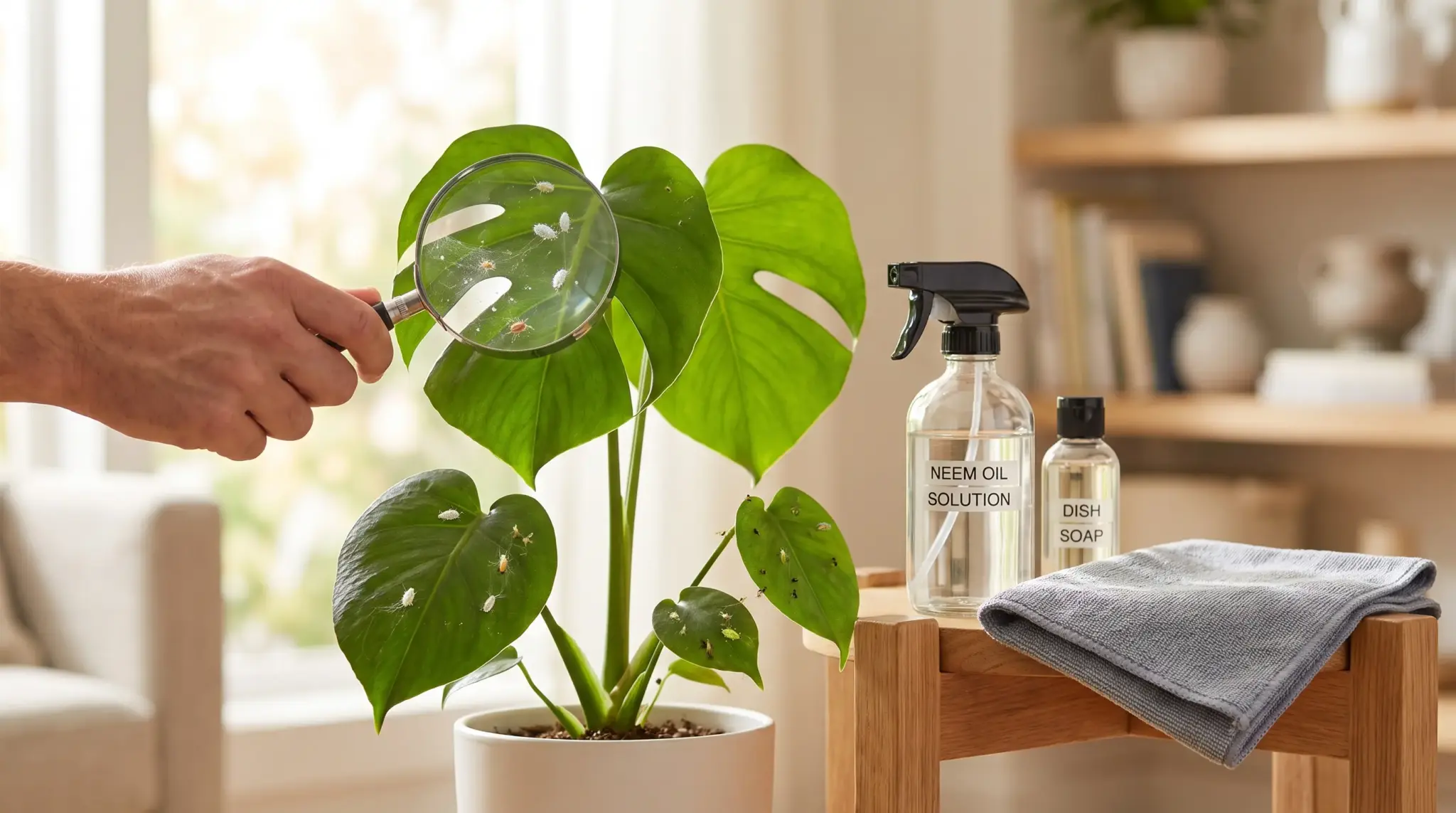
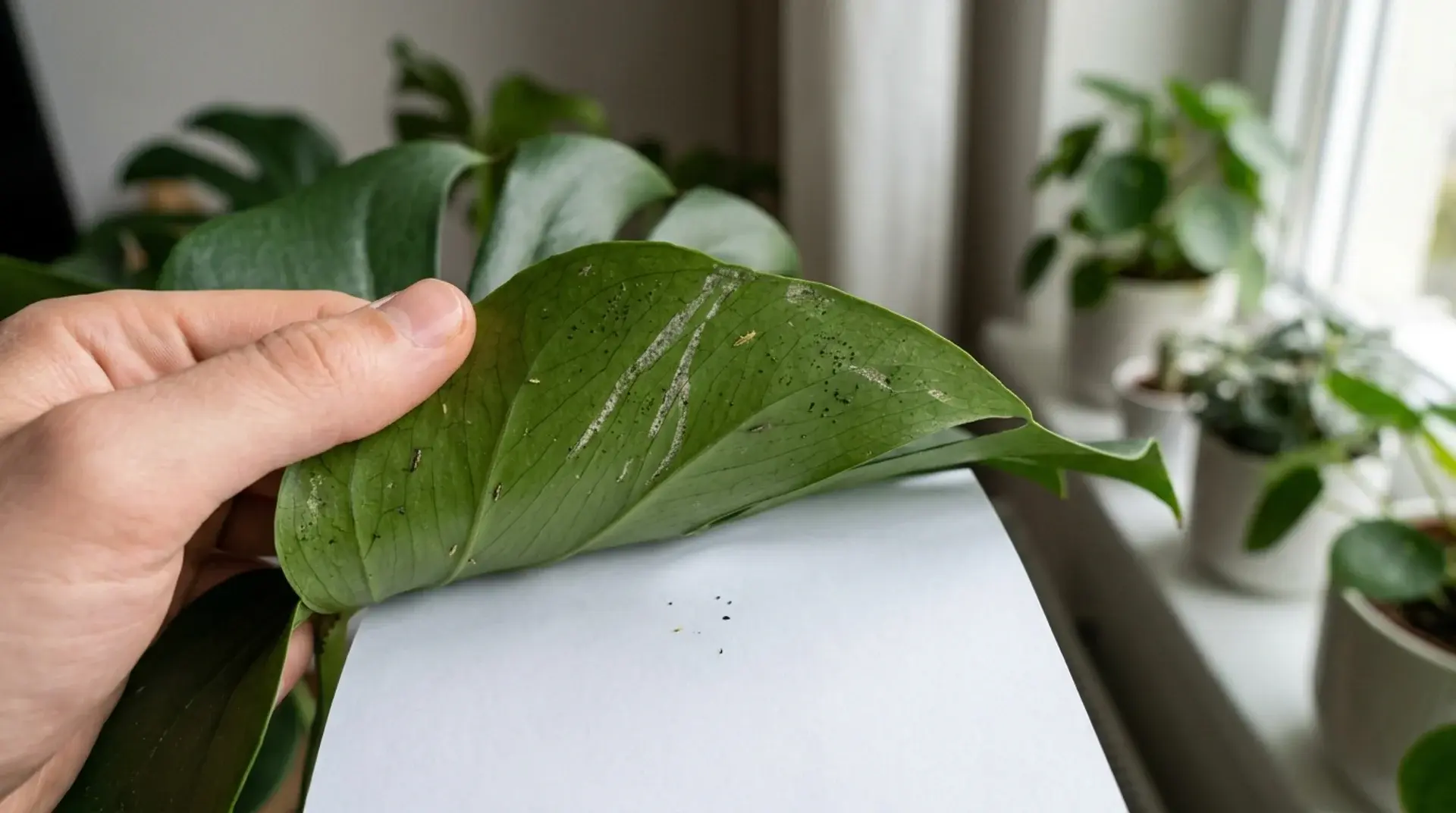
Ants will also tend the honeydew aphids leave behind on houseplants, so a lingering aphid problem can quietly turn into an ant problem, too.
Moisture attracts many species, especially during dry periods. Leaky pipes, condensation on windows, humid basements, and dripping faucets all attract ants.
Down here in Texas, the humidity alone keeps ants hunting for water most of the year. Damp wood near the foundation is an even bigger draw for carpenter ants.
Pet food and water bowls are a frequently missed source. Dry kibble left in a bowl overnight is enough to attract ants.
A pet water dish near the wall does the same. Pick up pet food bowls each evening and empty standing water from dishes.
Shelter becomes a factor as the colony grows. Some species start satellite colonies inside wall voids or under floors. At that point, they are not just visiting. They are setting up home.
How Do Ants Get Into Your House?
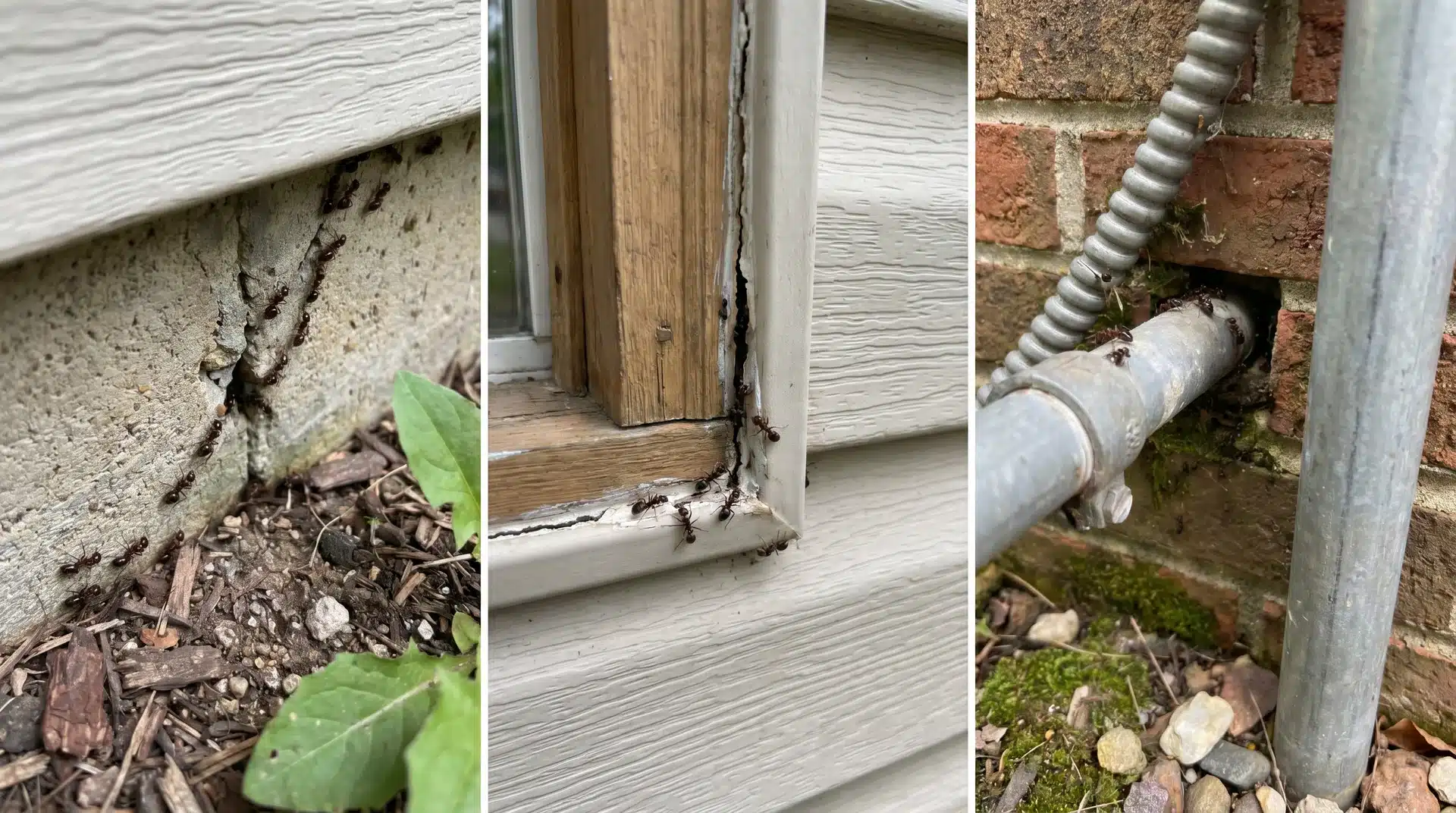
Ants can fit through a gap as small as 1/64 of an inch. Most homes have more than a few spots that small, and most go unnoticed until a trail appears inside.
Common entry points include:
- Cracks in the foundation, around window frames, and along wall seams where surfaces meet
- Gaps around doors, especially ones rarely used, where seals wear out without notice
- Utility openings where pipes, cables, and gas lines enter the building
- Subfloor routes where ants move beneath carpet, tile, or hardwood and stay hidden
One entry point that is often missed is hitchhiking. Ants can ride in on potted plants brought inside for winter. They also hitchhike in grocery bags, on used furniture, and in storage containers.
Firewood stored close to the house is another common route. You can have a spotless kitchen and still get ants through a plant you just moved indoors.
What Types of Ants are Common in Houses?
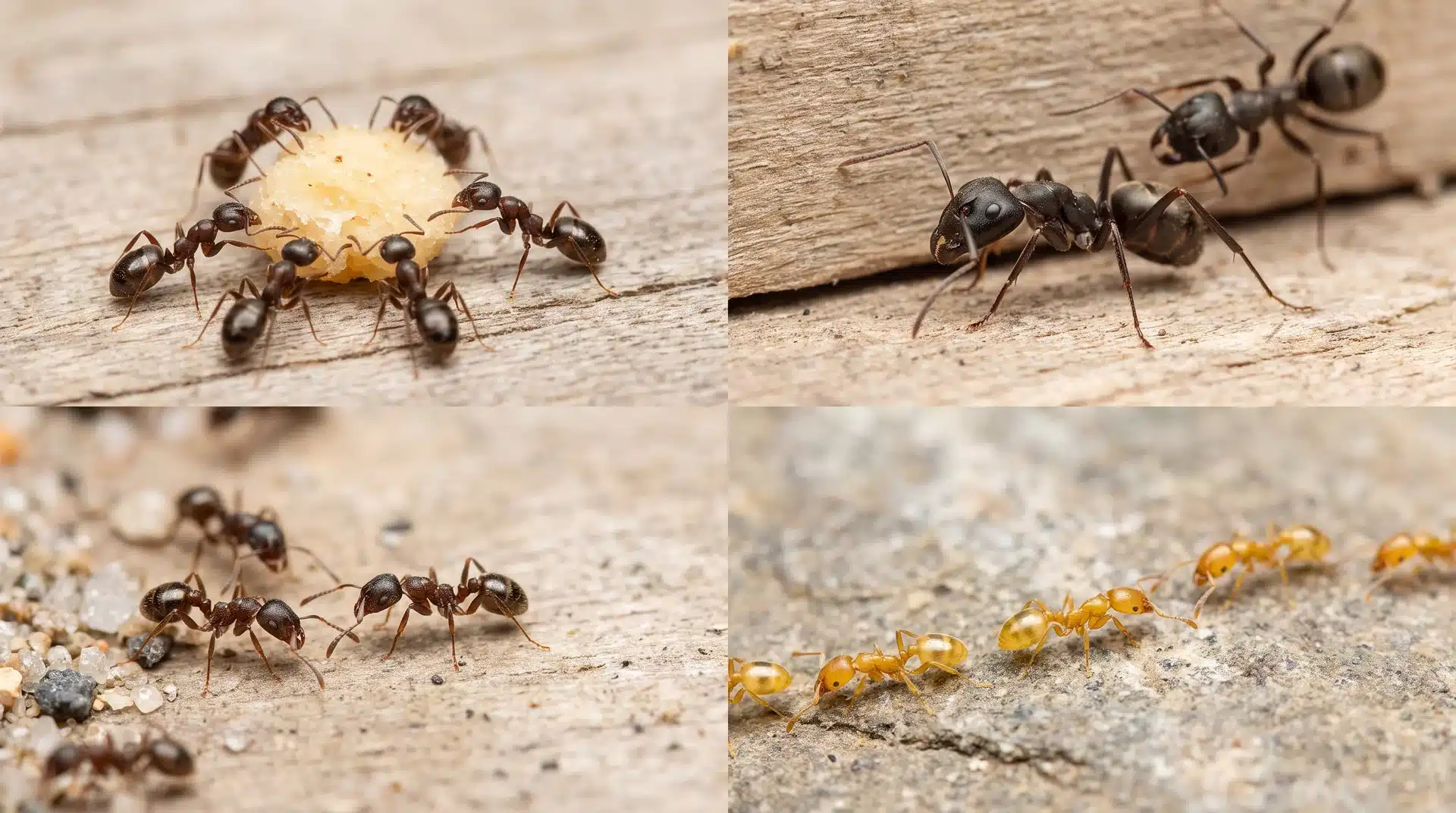
Odorous house ants are small and dark brown. They smell like rotten coconut when crushed. This is the most common indoor species across the US. They love sweets and nest inside wall voids near heat sources.
Carpenter ants are large, usually black or dark red. They do not eat wood. They tunnel through it to nest. Piles of coarse sawdust near baseboards are a key sign.
Pavement ants are small and dark. Found along floors and near foundations. They nest under concrete slabs and enter through cracks in the slab or flooring.
Pharaoh ants are tiny and yellowish. They are the only true indoor-nesting ant species and are very hard to treat without professional help.
Little black ants are often called sugar ants. They are small, drawn to sweets, and commonly found in kitchens and pantries.
Knowing which species you are dealing with before you buy a product saves a lot of time.
What are the Signs of an Ant Infestation?
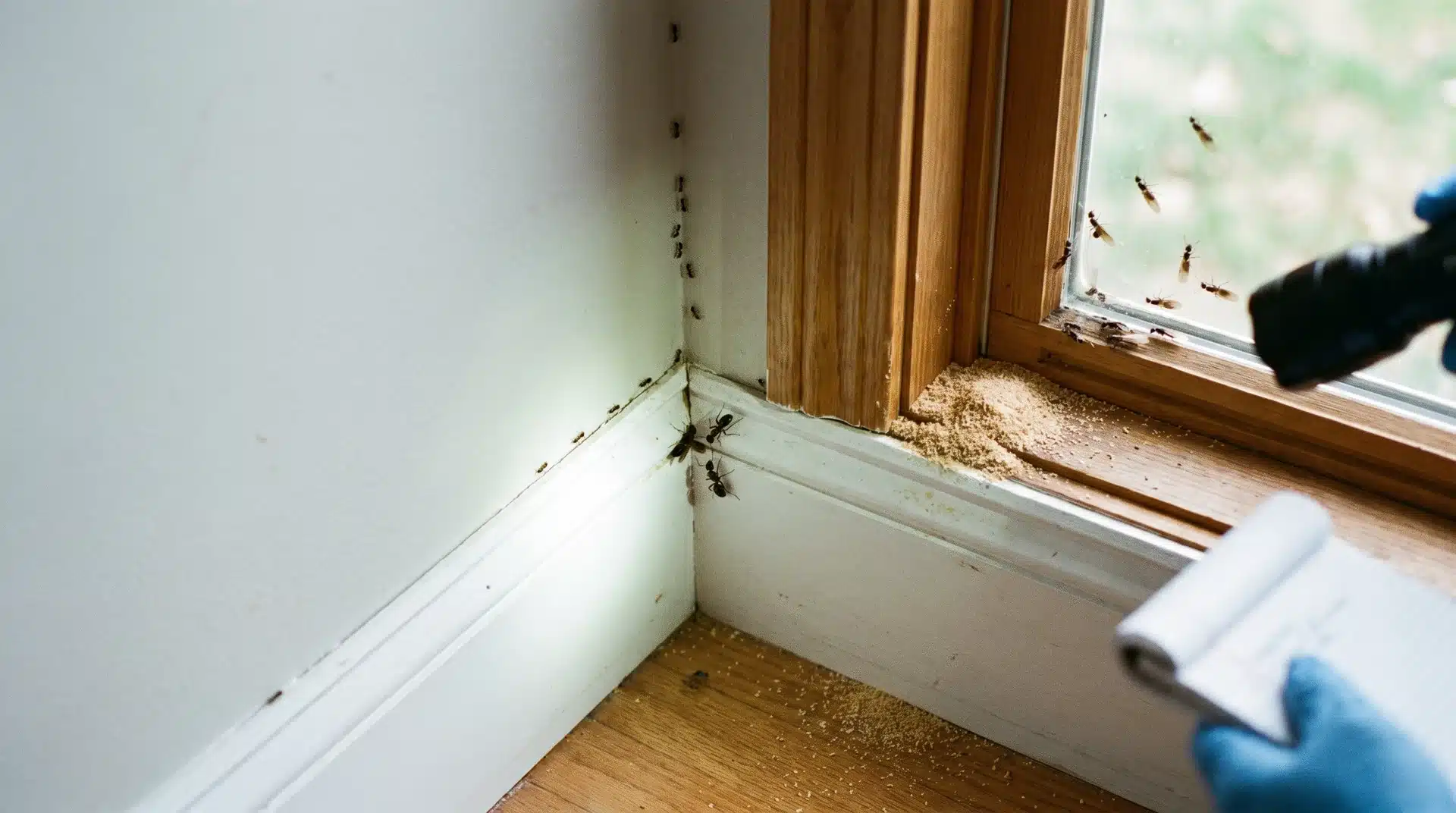
A few ants on the counter are not always a red flag. The more telling question is whether those ants are foraging or nesting.
Foraging ants come from an outdoor colony. They found a food or water source and will return outside once it is gone or treated. Remove the source, place bait, and the problem is usually manageable.
Nesting ants have moved in. The colony has set up inside your walls, under your floors, or in damp wood. These require a different level of response.
Signs you may be dealing with nesting ants:
- Ants appearing in multiple rooms with no clear food trail
- Ant activity continues at night, when foraging usually drops
- Sawdust or wood debris near baseboards or structural wood
- Winged ants appearing indoors, which signals a colony spreading
- Dead ants showing up in the same spot repeatedly
- Ant numbers are rising even after regular cleaning
If several of these sound familiar, DIY bait alone may not be enough.
Can Spraying Ants Make the Problem Worse?
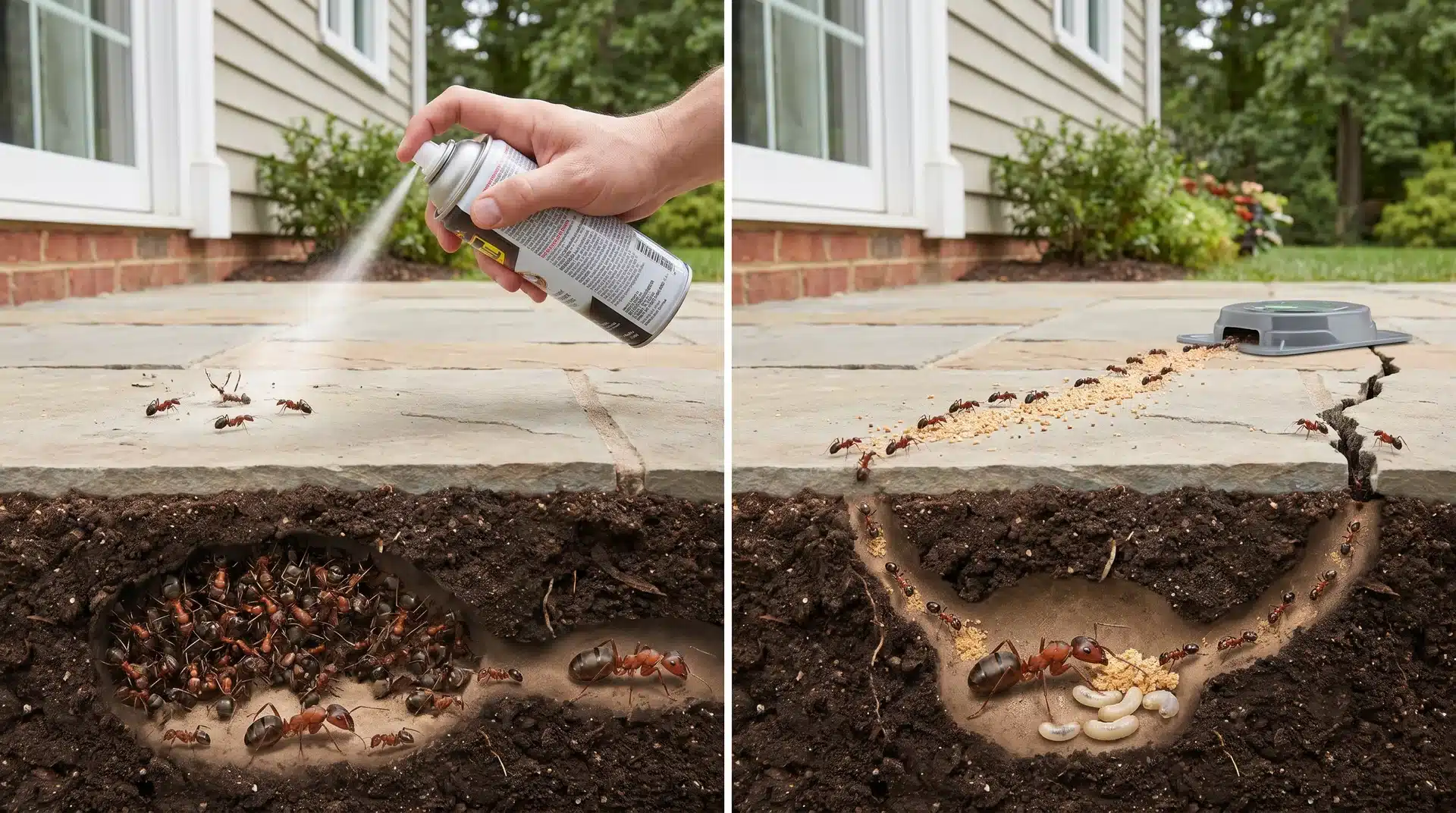
The spray can is the most tempting tool in the cabinet. It is also the one most likely to backfire.
Spraying visible ants kills the workers in front of you. The colony keeps going. Worker ants that survive a chemical spray carry that scent back to the nest.
The queen detects it. She can trigger colony budding. The colony splits into smaller groups and relocates to new spots. Sometimes those spots are deeper inside your home. What felt like progress turns into a bigger problem spread across more locations.
I keep bees in my backyard, so a heavy chemical spray is never my first move indoors or out. Sprays also miss the nest entirely. A large ant colony can hold tens of thousands of workers. Killing a few dozen does nothing to slow the queen, who can lay hundreds of eggs a day. Stop spraying. Start baiting.
How to Get Rid of Ants in Your House
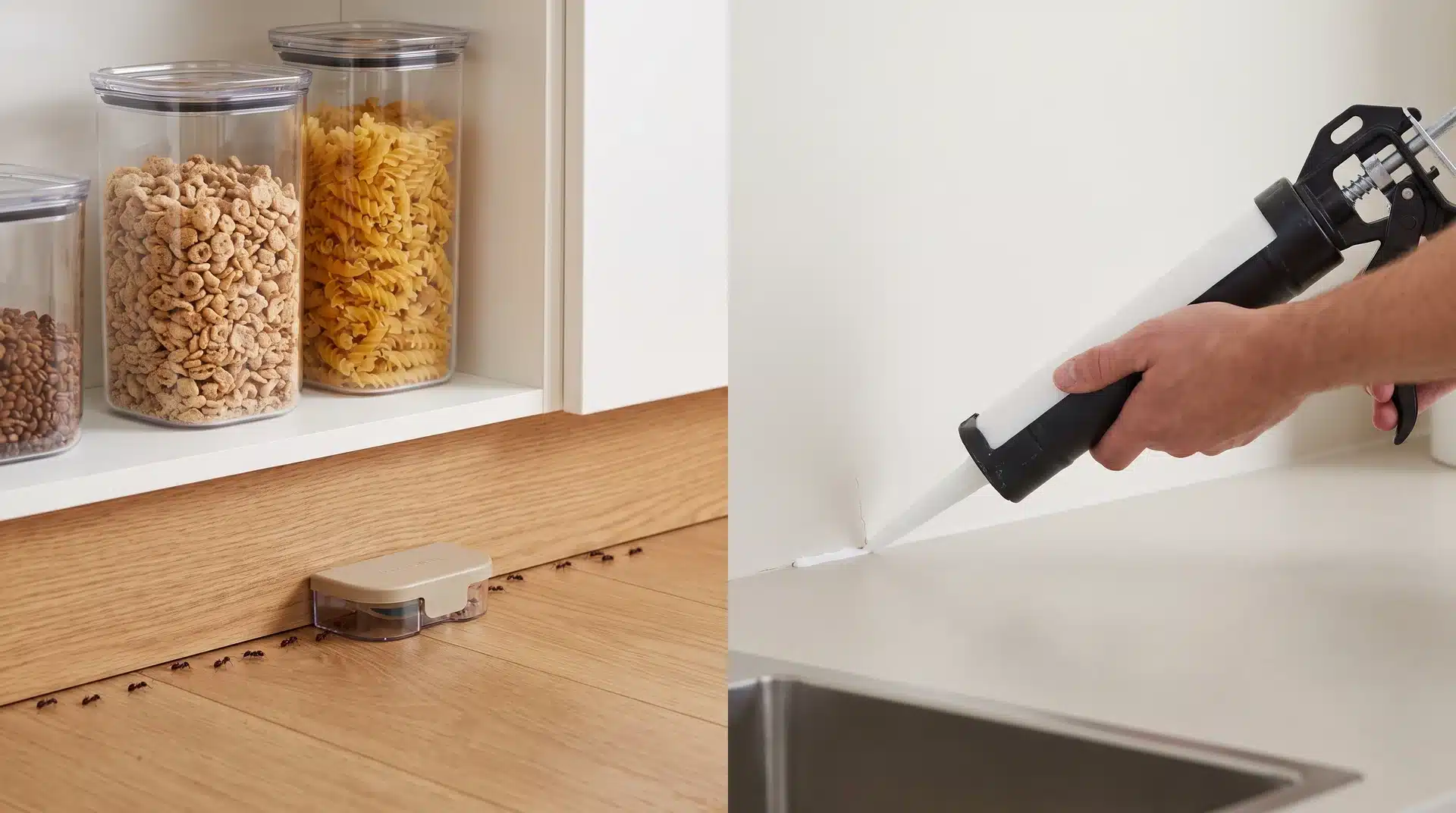
Getting ants out of your house comes down to three steps done in the right order.
Step 1: Remove What is Drawing Them in
Clean counters every day. Store pantry items in airtight containers. Wipe down sticky jars, syrup bottles, and jam lids. Clean the stovetop after cooking, especially after cooking anything greasy or saucy. Pick up pet food bowls at night.
Step 2: Use Ant Bait
Bait lets worker ants carry a slow-acting substance back to the colony. It reaches the queen. TERRO Liquid Ant Bait works well for odorous house ants and common sugar ants.
Place bait along active trails and leave it alone. Do not wipe the trail. The ants need to follow it to carry the bait back.
If the bait sits untouched after two to three days, switch formulas. Carpenter ants may need protein- or oil-based bait instead of sugar-based bait.
Step 3: Seal Entry Points
Caulk cracks around windows, doors, and the foundation. Add door sweeps on exterior doors. Check rarely used doors for worn or cracked seals.
What About Natural Repellents?
Wiping with white vinegar temporarily disrupts the pheromone trail. Peppermint oil, cinnamon, and coffee grounds can repel ants near entry points.
None of these kill the colony. Use them as a short-term barrier while bait handles the source.
How to Keep Ants from Coming Back
Prevention is simpler than treatment. A few regular habits make a real difference over time.
- Store all pantry food in sealed containers. Keep fresh fruit in the refrigerator.
- Wipe counters every day, especially after cooking.
- Fix leaky pipes and dripping faucets. Use a dehumidifier in damp basements.
- Store firewood at least 20 feet away from the house.
- Keep tree branches and shrubs trimmed back from exterior walls.
- Remove leaf piles and yard debris near the foundation.
- Schedule a yearly pest inspection if your home is near wooded land.
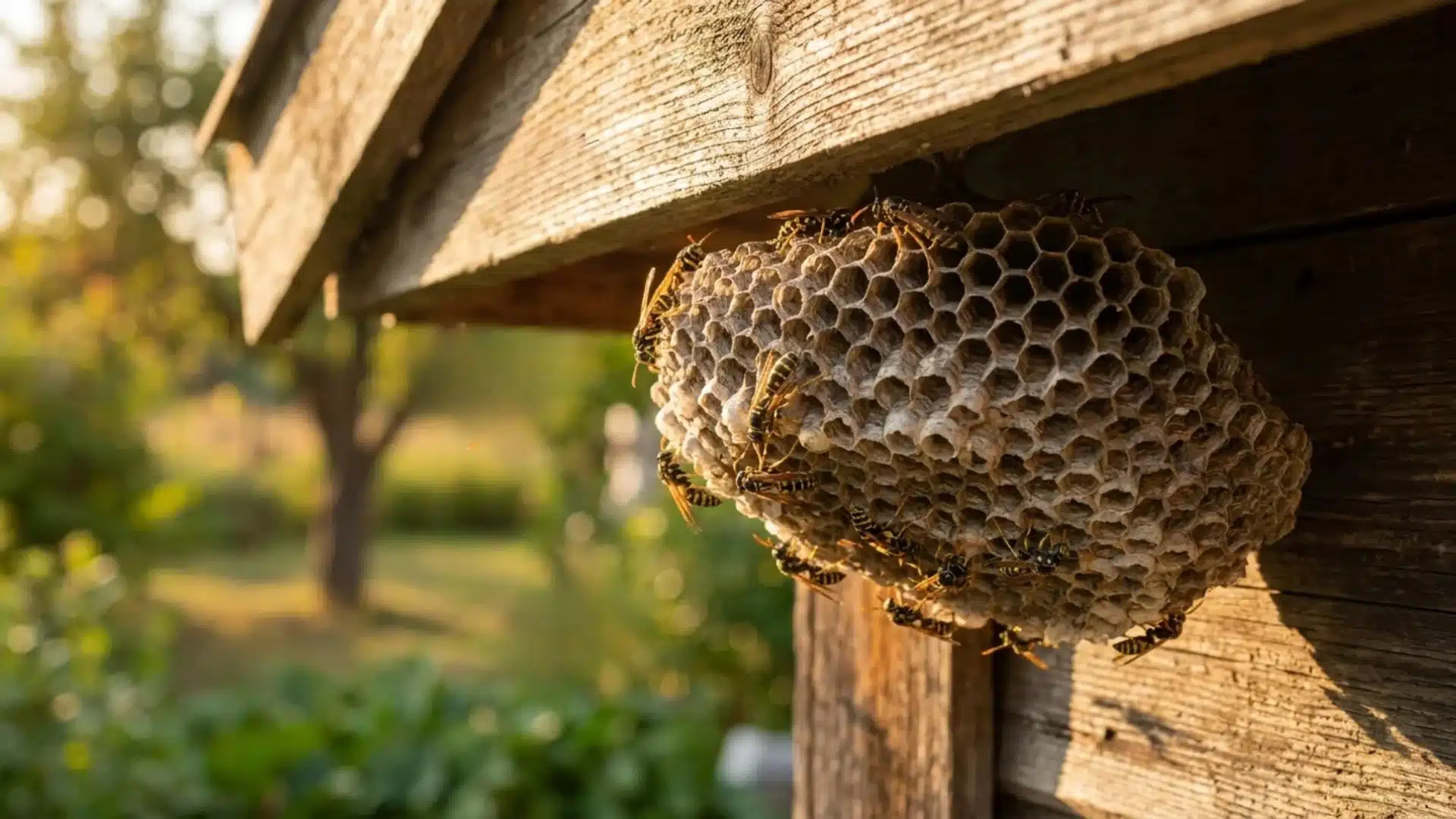
- Seal foundation cracks, window gaps, and utility openings each fall. If ants continue to appear around your foundation or yard, treating the perimeter with the right outdoor ant killer can help prevent colonies from entering your home. If wasps are nesting under your eaves too, keeping them away doesn’t have to mean reaching for a chemical bomb.
When to Call a Pro
Ants in your house are not really a mystery. A single forager finds food or water, lays a trail, and the colony follows. That chain can turn one ant into hundreds within a day.
It breaks the moment you remove the source, block the entry, and target the colony instead of just the ants you can see.
Swap the spray for bait, seal the gaps, and clean up what is attracting them.
If ants keep coming back after all that, or you spot carpenter ant sawdust or a nest inside a wall, call a licensed pest control company.
A foraging problem can turn into a nesting one fast, and that one is harder to undo on your own.
Frequently Asked Questions
Why Shouldn’t You Kill Ants in Your House?
Killing visible ants rarely solves an infestation because colonies remain hidden. Cleaning food sources, sealing entry points, and using targeted control methods are usually more effective than killing individual ants.
What is an Ant’s Worst Enemy?
Ants face natural predators like spiders, birds, beetles, and assassin bugs. Fungi, parasites, and competing ant colonies also cut down their numbers over time.
What Month Do Ants Disappear?
Ant activity usually drops from late fall through winter. Timing depends on your climate, since ants stay active year-round in warmer regions like the Gulf Coast.