I killed my first pothos in about three weeks. Not from neglect, from love: I watered it every single day because that felt like the caring thing to do. Root rot doesn’t care how much you love a plant.
That pothos was the first of the 70-plus plants now crammed into my Portland apartment, and it taught me something most new plant owners never hear: the easy houseplants that survive beginners aren’t the ones that need the most attention. They’re the ones built to forgive you for barely giving them any.
Here are 11 of them, the varieties I hand to friends who swear they’ve killed every plant they’ve ever owned.
Why Houseplants Are Worth Growing at Home?
Houseplants add more than just greenery to an indoor space. They bring natural texture, color, and structure to rooms while making spaces feel more comfortable and inviting.
A well-placed plant can soften empty corners, add height to shelves, and complement different interior styles.
Beyond appearance, caring for plants creates a simple daily routine and adds a calming element to the home.
Greenery can make workspaces, bedrooms, and living areas feel more connected to nature.
Easy-care houseplants also offer a practical way for beginners to enjoy indoor gardening without requiring extensive time or maintenance.
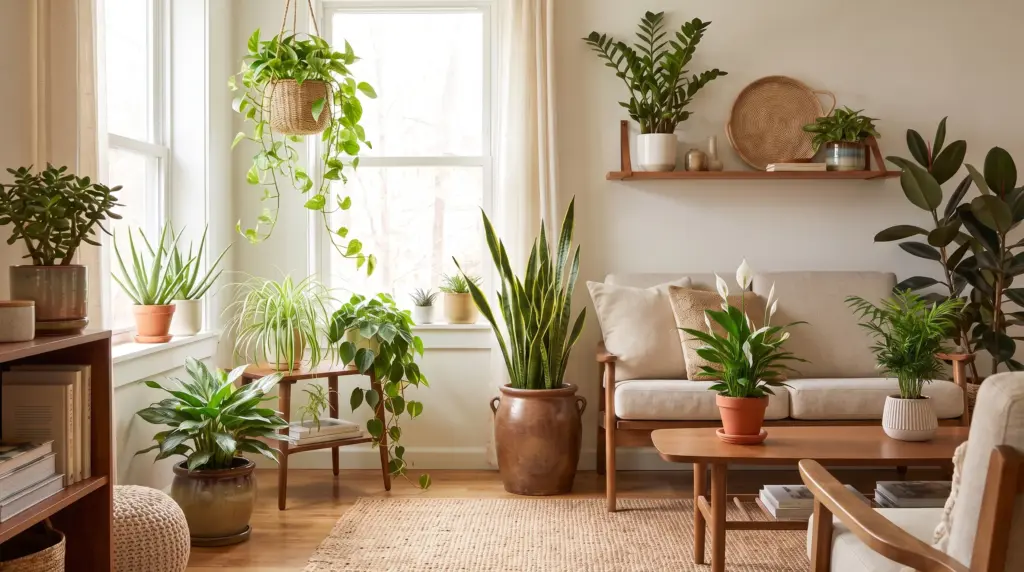
11 Easy-Care Houseplants for Your Home
These 11 easy houseplants stand out for one reason. They keep growing even when care slips for a week or two.
1. Pothos
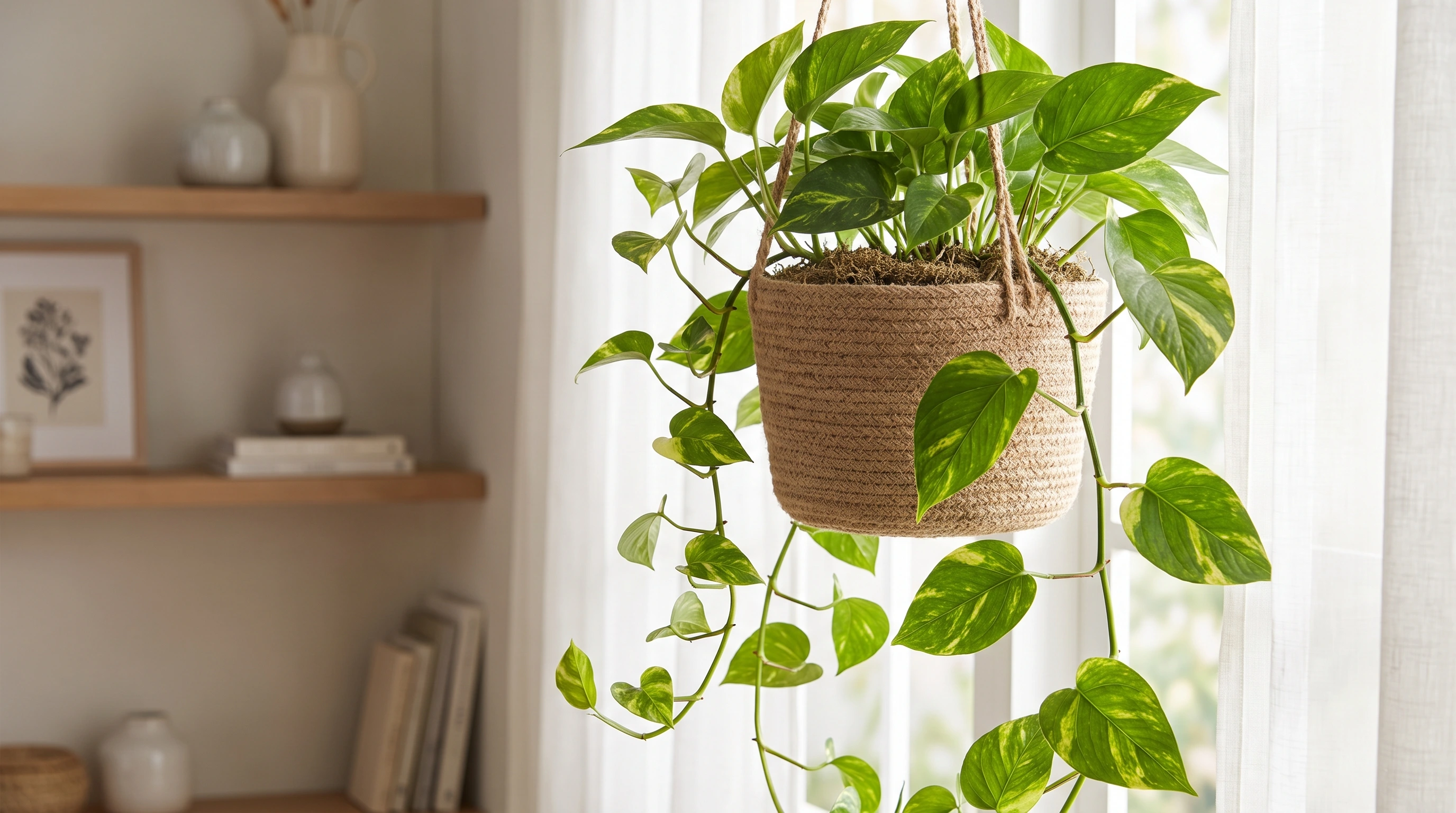
Pothos ranks near the top of almost every easy houseplant list because it handles missed waterings and changing indoor conditions well. Mine was the impulse-bought pothos that started this whole habit, and it’s still going seven years later.
It comes in a few different varieties, from solid green to marbled Marble Queen, and grows in low, medium, or bright indirect light. Water it only when the top two inches of soil feel dry to avoid root problems.
Its trailing vines look great from shelves or hanging baskets. A common beginner mistake is following a fixed watering schedule instead of checking the soil first.
2. Snake Plant
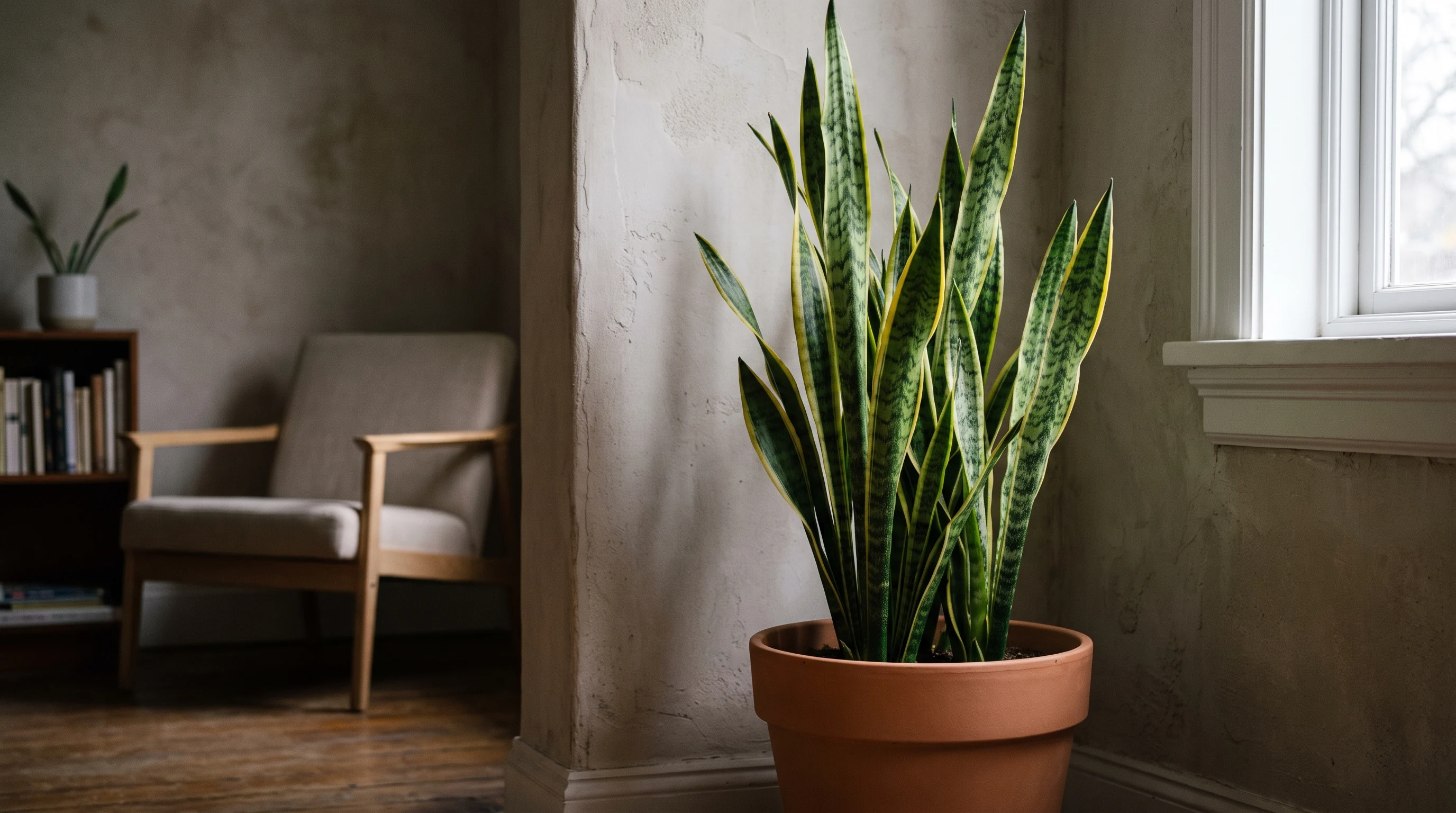
Snake plant is one of the most forgiving houseplants because it requires very little attention. I keep four of them in the worst-lit corners of my apartment, and none have ever complained.
It can go around three to four weeks between waterings and tolerates low-light areas, including offices with limited natural light. Its upright leaves make it a practical choice for small spaces and busy routines. Overwatering is the biggest issue to avoid, as soft, yellow, or mushy leaves often indicate excess moisture around the roots.
3. ZZ Plant
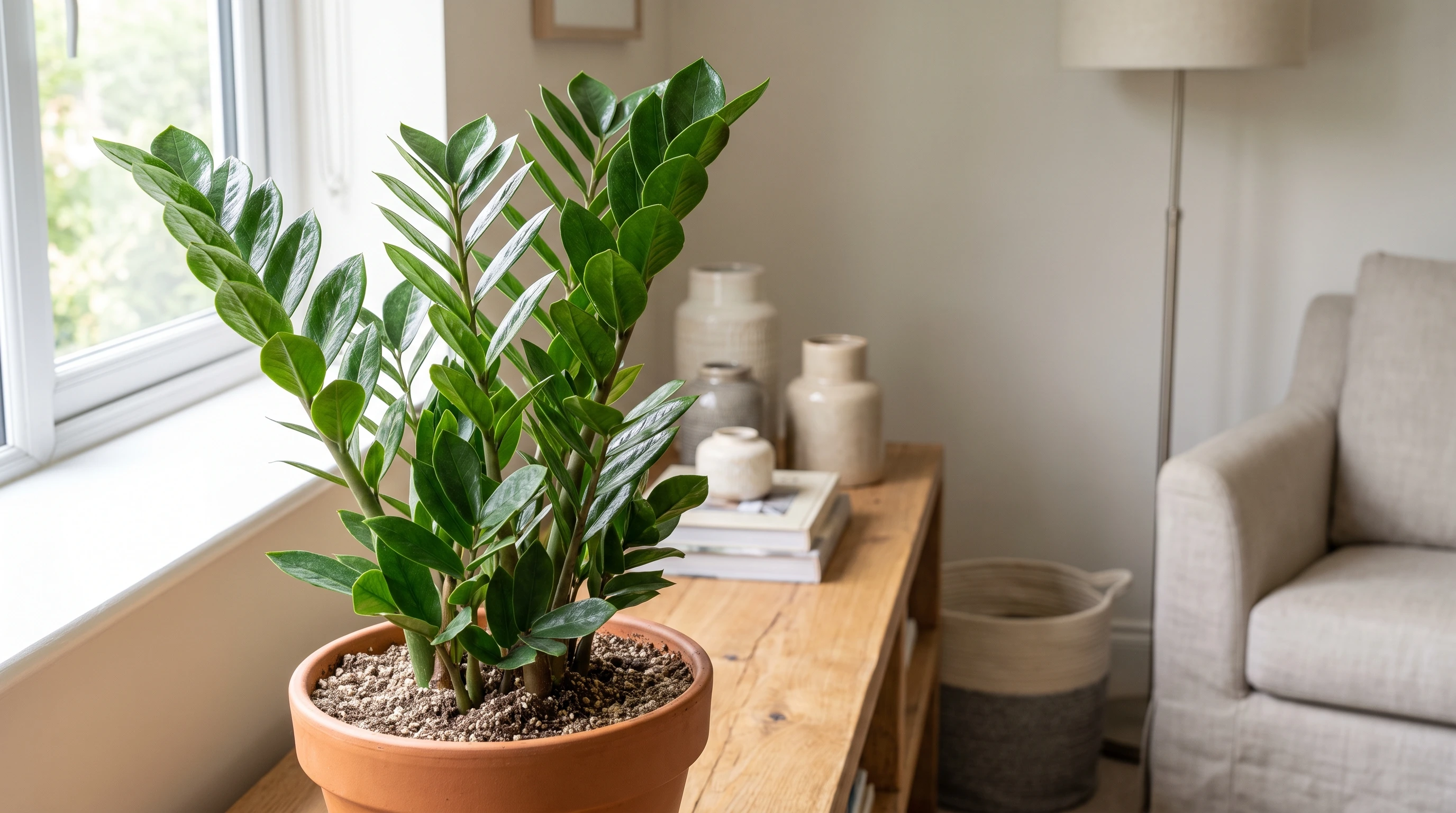
The ZZ plant stores water in thick underground rhizomes, allowing it to handle long periods without watering. Mine went two full months without a drop during a move and came out fine. It grows slowly, which means it rarely needs frequent pruning or repotting.
This plant prefers medium to low indirect light and should be kept away from harsh direct sunlight. For basic care, allow the soil to dry completely before watering, then water deeply until the excess drains away.
4. Spider Plant
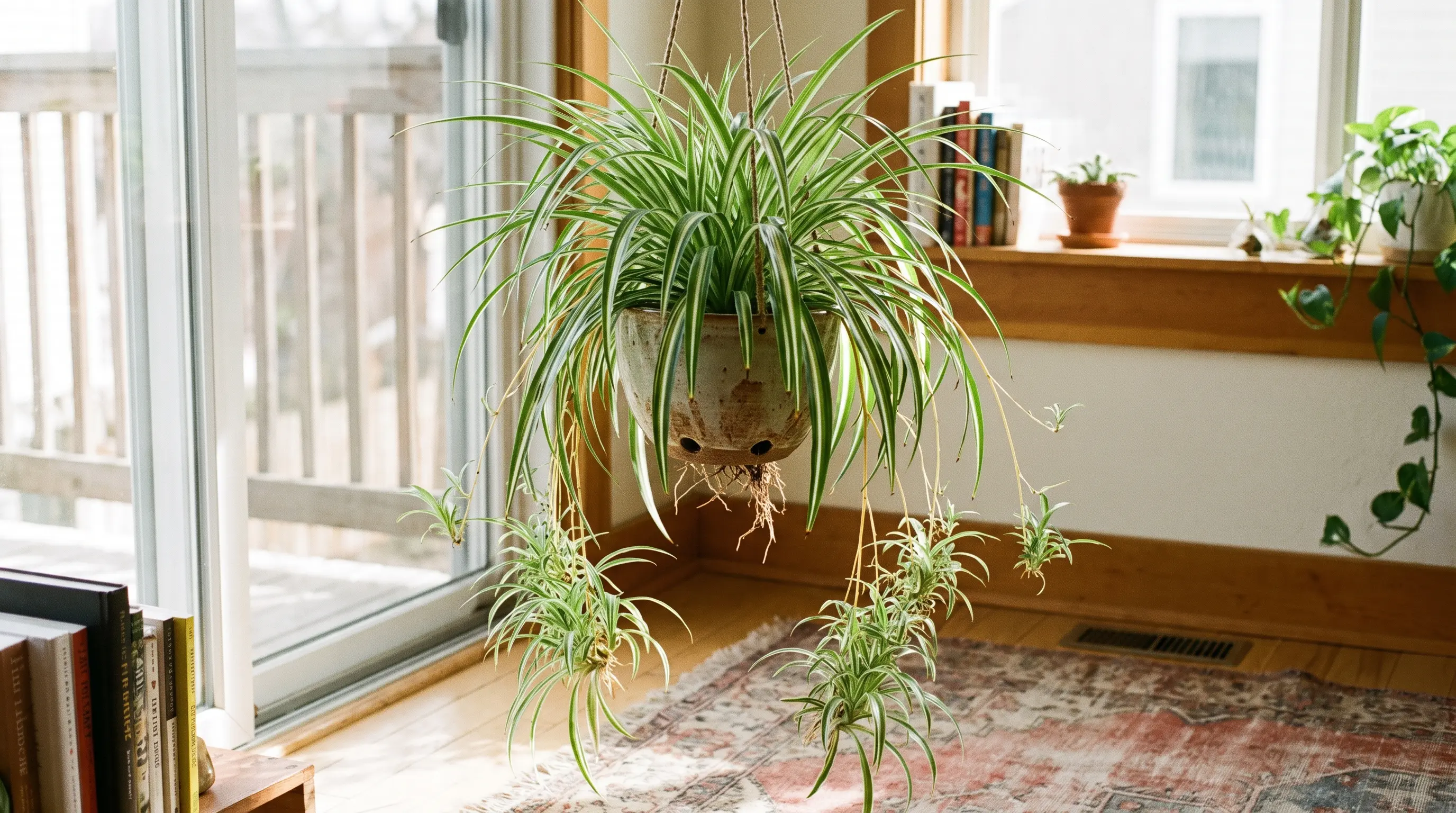
Spider plant is a fast-growing houseplant that produces small offshoots called pups, making it easy to propagate and share.
It grows best in bright, indirect light but can also tolerate some shade. Water it when the top inch of soil feels dry, while avoiding constantly wet conditions.
Its new leaves and baby plants make it easier for beginners to recognize healthy growth and adjust care when needed.
5. Peace Lily
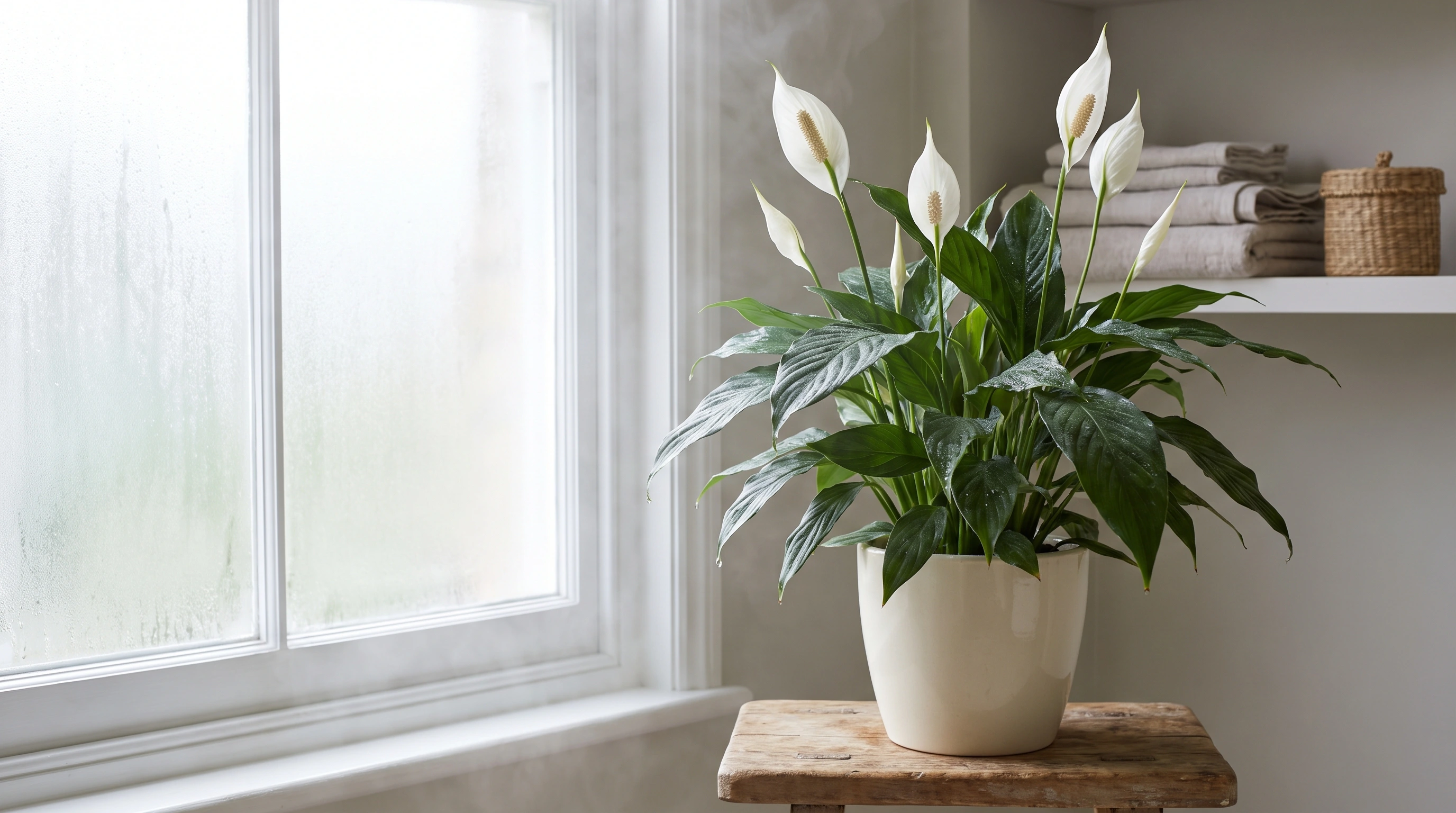
Peace lily is popular among beginners because it clearly shows when it needs water. Its leaves droop when thirsty and usually recover after watering.
It prefers medium light and slightly higher humidity, which is worth knowing since peace lily care differs a bit from most plants on this list. While it can produce beautiful white blooms, it does not flower continuously throughout the year. Avoid placing it in direct sun or keeping the soil constantly soaked.
6. Heartleaf Philodendron
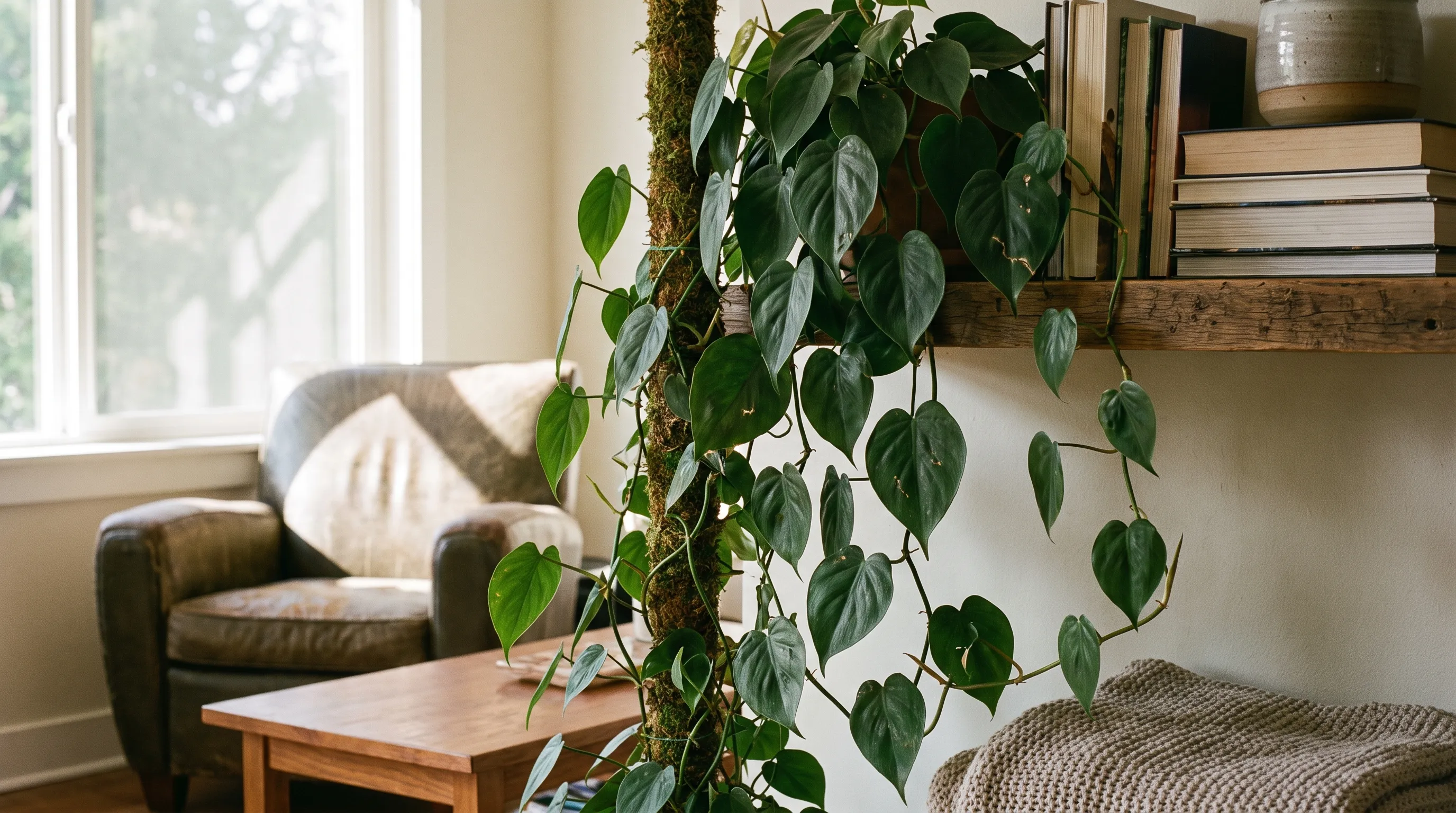
Heartleaf philodendron is a beginner-friendly trailing plant with a growth style similar to pothos.
It adapts well to low, medium, and bright indirect light and can trail from shelves or climb with support. Occasional pruning helps maintain a fuller appearance and encourages new growth.
Water it when the top layer of soil feels dry, but avoid letting the roots sit in excess moisture.
7. Aloe Vera
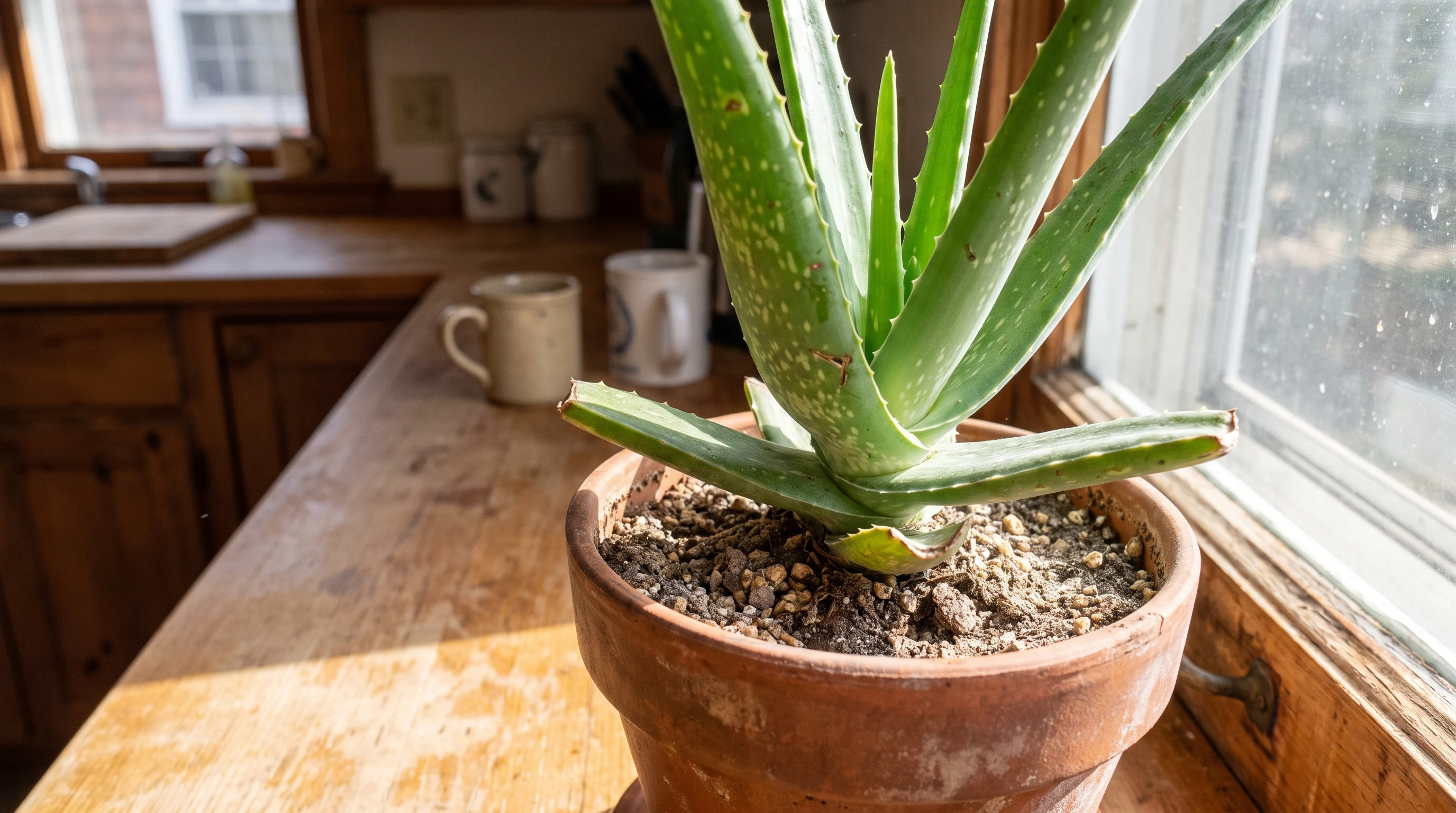
Aloe vera is a great choice for beginners who sometimes forget watering because its thick leaves store moisture. It prefers bright light, making a sunny windowsill an ideal location.
Like other succulents, getting aloe vera care right mostly comes down to deep watering followed by a period of complete drying before the next session.
Using well-draining soil helps prevent root rot. Its low-maintenance nature makes it one of the easiest starter succulents.
8. Rubber Plant
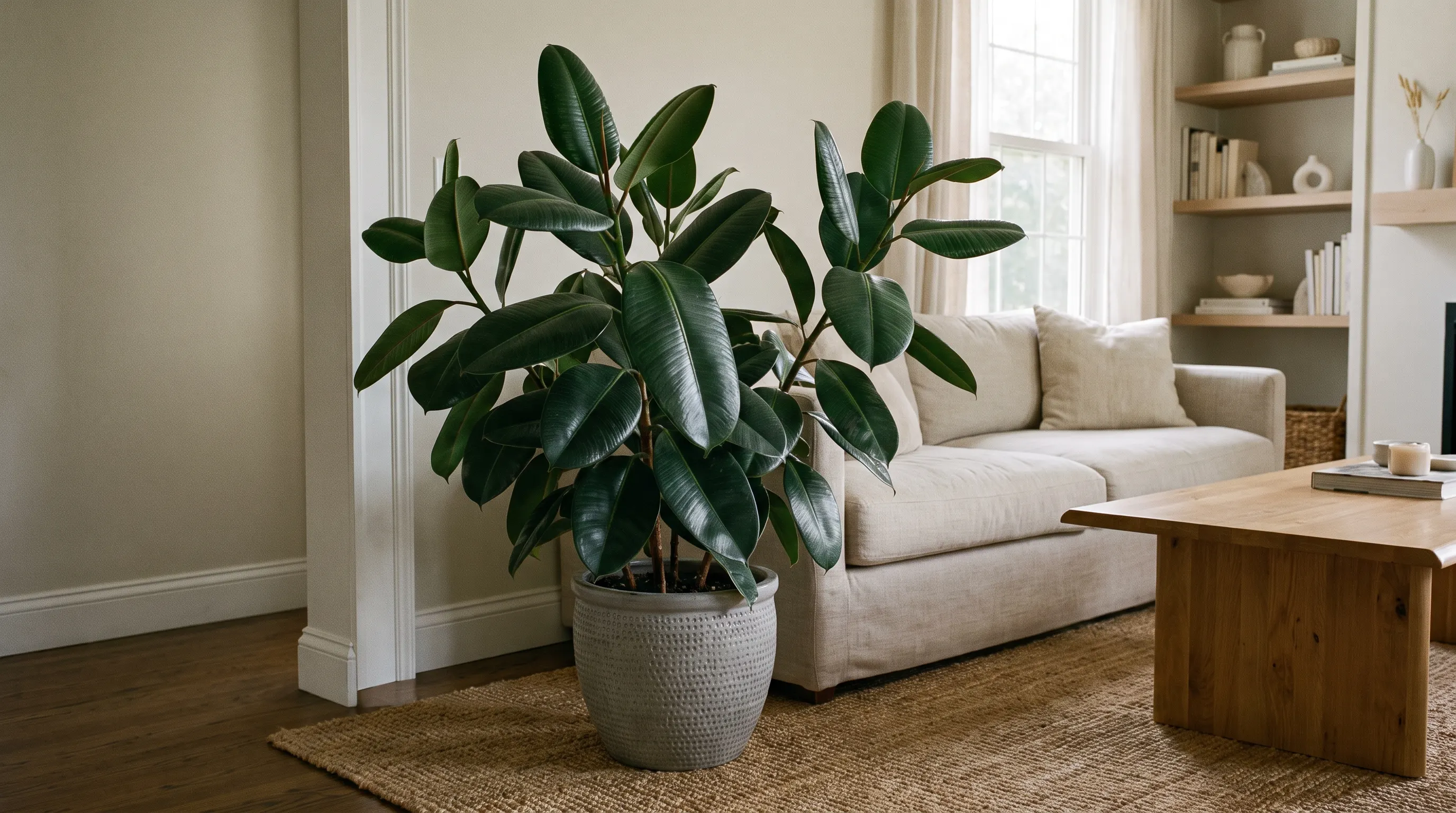
Rubber plants add height and structure to indoor spaces with their large, glossy leaves. Mine sits in my brightest window and gets wiped down about once a month, more for dust than actual care.
They adapt to average indoor conditions but grow best in bright, indirect light. Their broad leaves collect dust, so occasional wiping helps maintain healthy growth and keeps them looking fresh.
Water the plant when the top two inches of soil feel dry, and avoid keeping the soil too wet, as excess moisture can damage the roots.
9. Chinese Evergreen
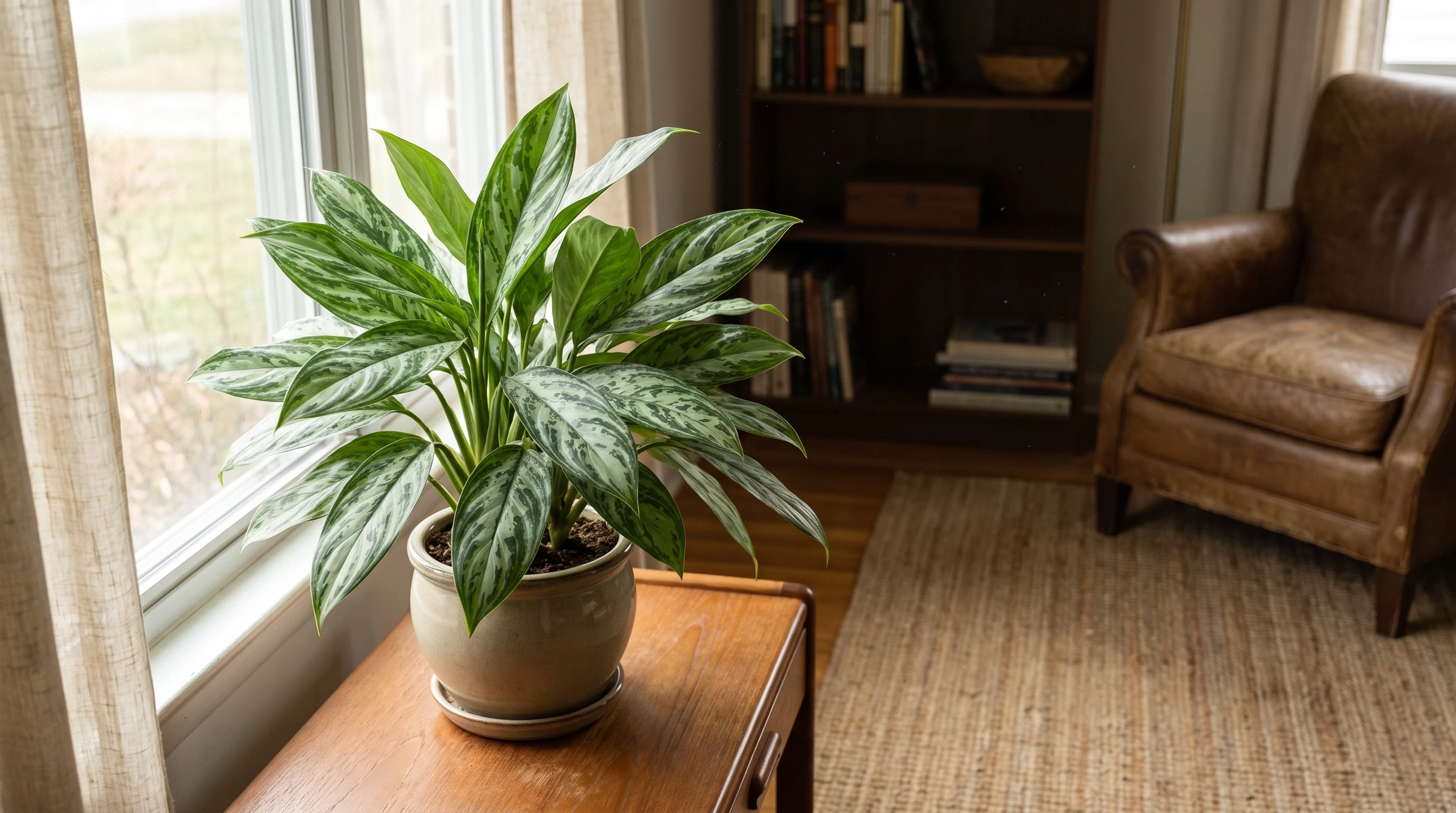
Chinese evergreen is a low-maintenance houseplant available in a wide variety of leaf patterns, including green, silver, and pink. It handles lower light conditions better than many indoor plants and does not require frequent attention.
Allow the soil to dry slightly between waterings, then provide moderate moisture when needed. Once placed in a stable spot, Chinese evergreen can keep growing with minimal care.
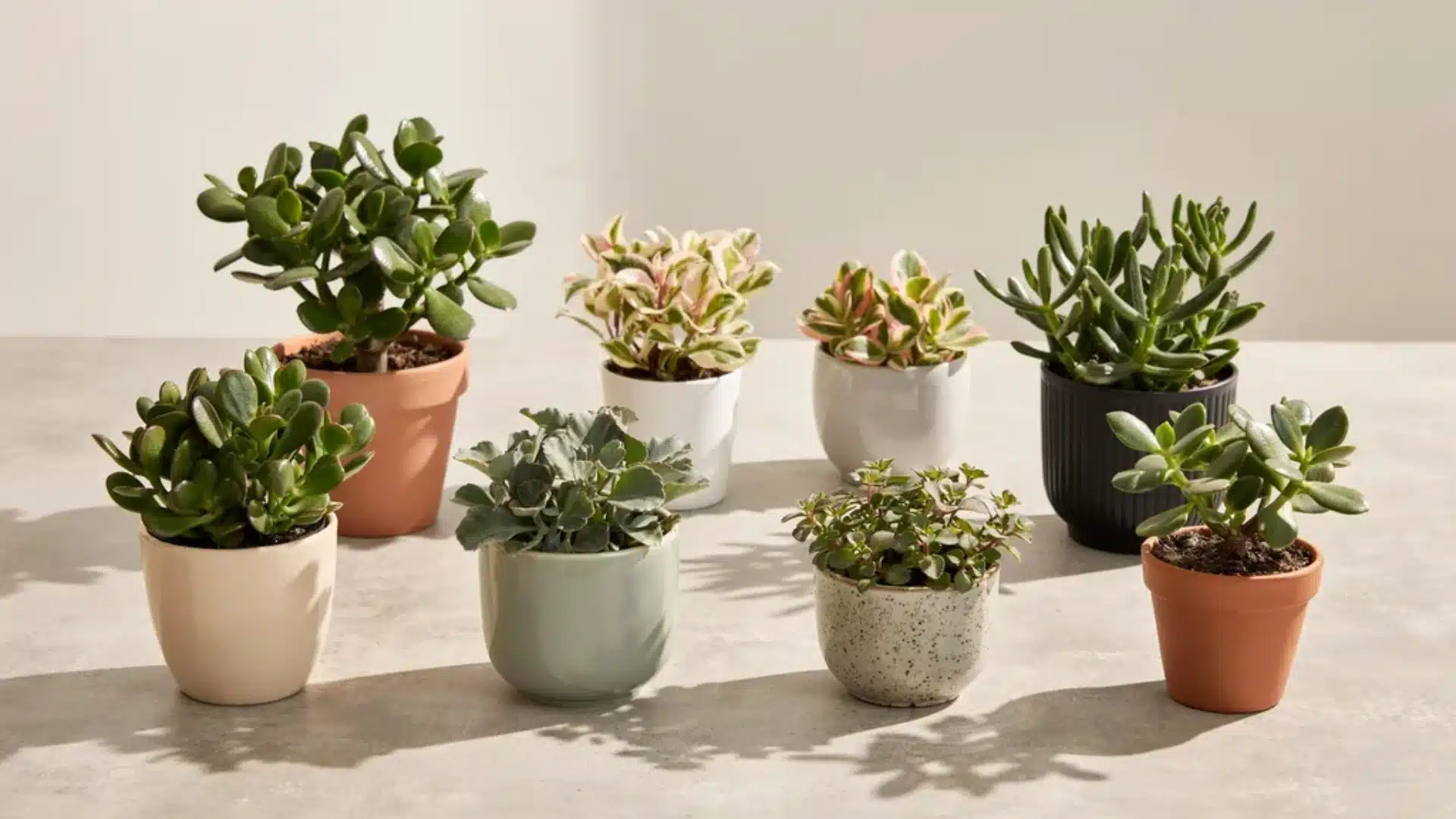
10. Jade Plant
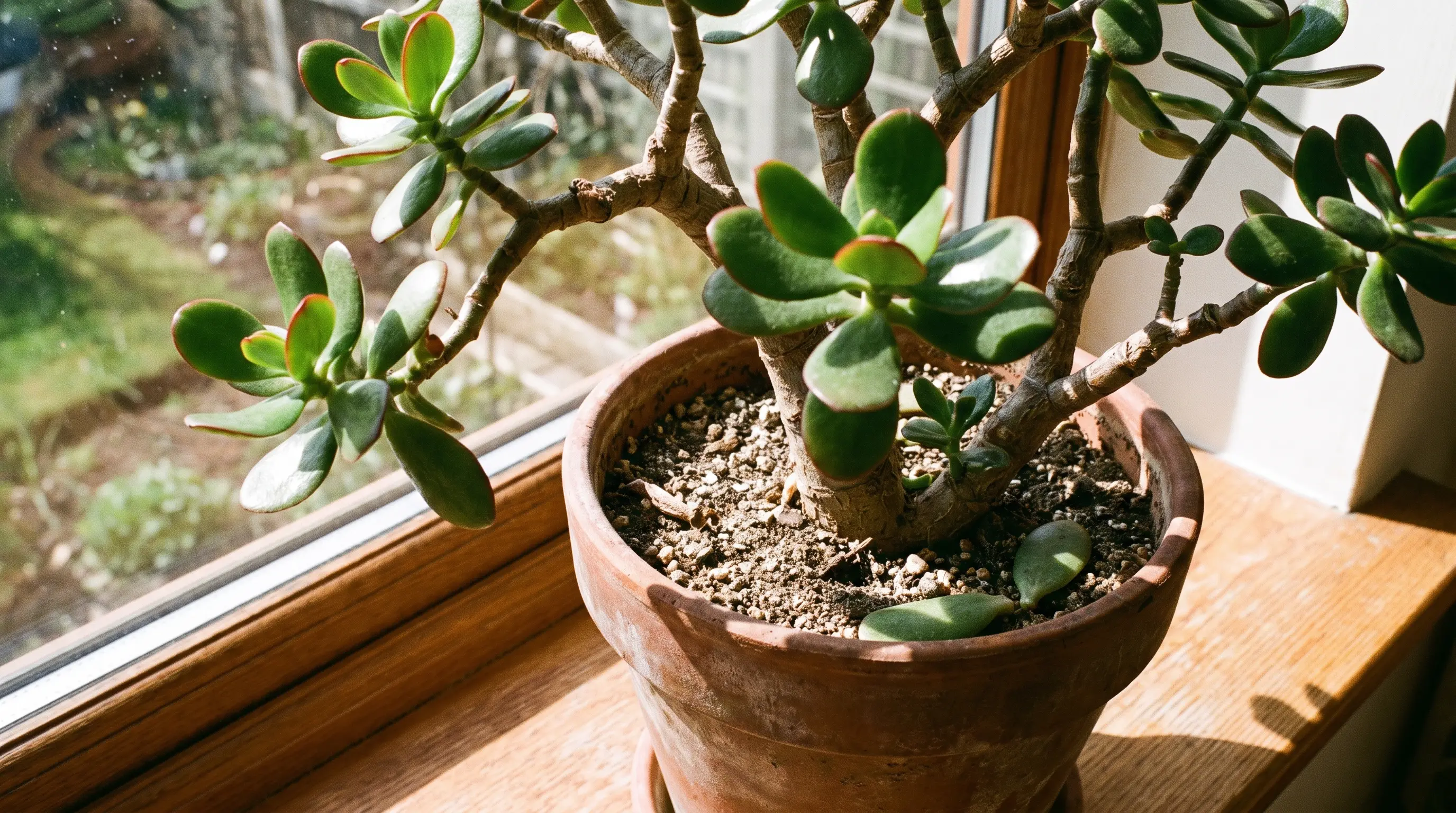
Jade plant is a long-living succulent known for its thick, rounded leaves and simple care needs. One of mine is going on its fifth year and has already outgrown three different pots.
With proper conditions, jade plants can grow for decades and become the kind of plant that gets passed down.
It prefers bright light and infrequent watering, and once you get the soil-drying rhythm down, jade plant watering becomes one of the easiest routines to remember.
Wrinkled leaves usually mean underwatering, while dropped leaves point to excess water or stress from its environment.
11. Parlor Palm
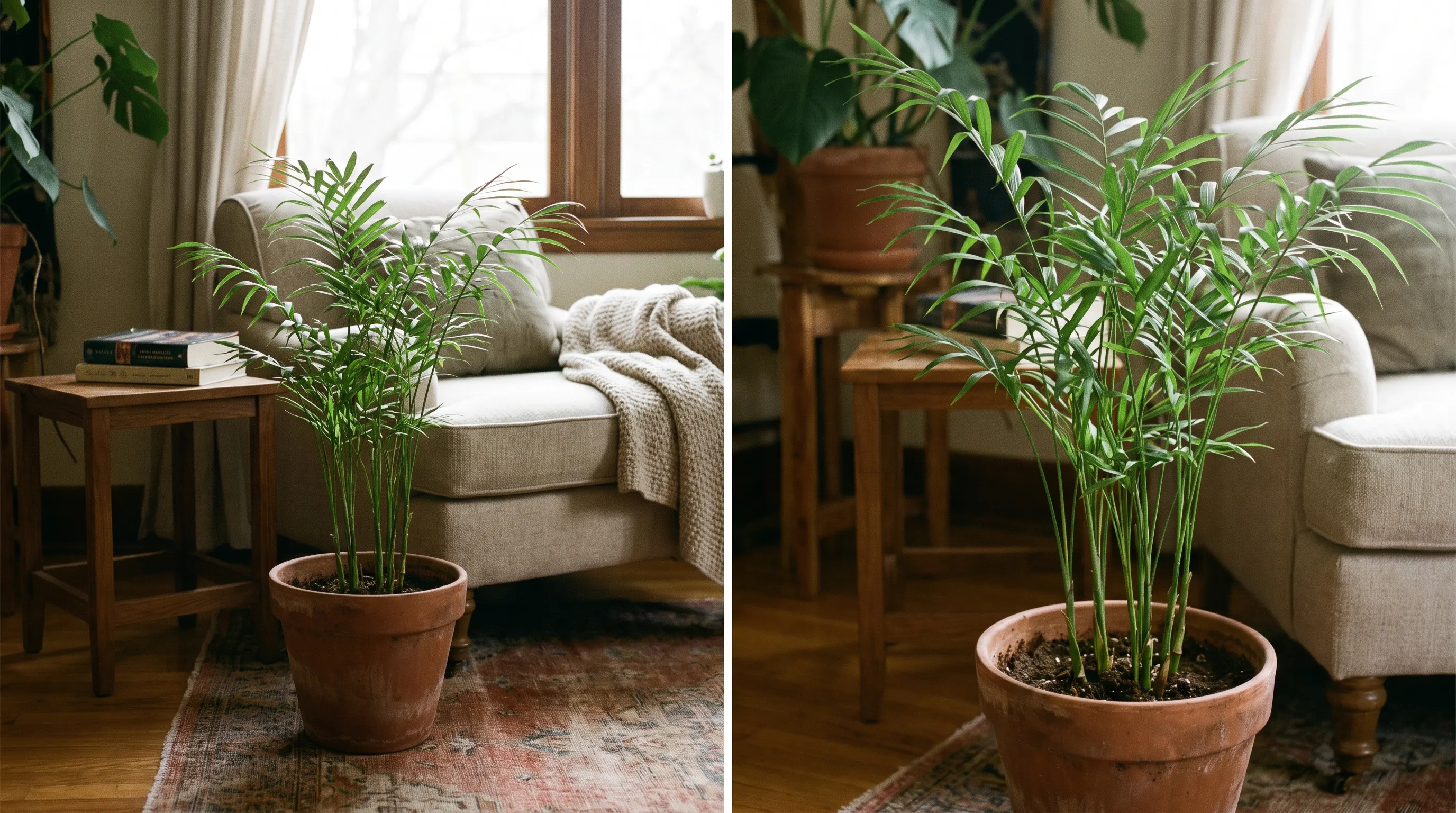
Parlor palm is a compact indoor palm that handles typical home conditions better than most other palms. It grows slowly, which keeps pruning and maintenance needs low. It prefers more consistent moisture than a succulent, but the soil should never stay waterlogged.
It tolerates lower light and average indoor humidity, making it suitable for bedrooms, living rooms, and smaller spaces. Keep it away from cold drafts and heating vents to prevent leaf damage.
How to Keep Your Houseplants Growing Well?
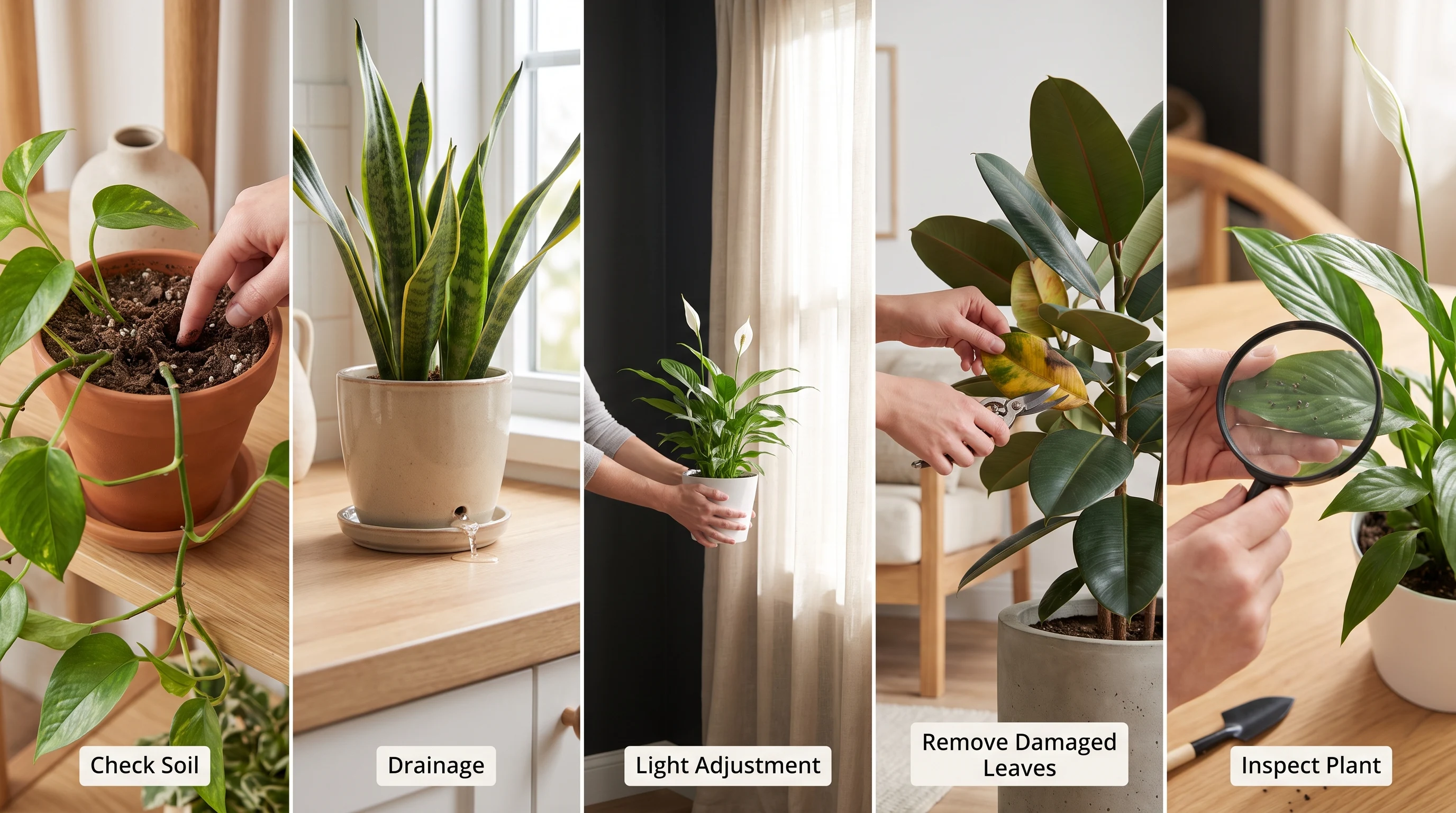
Simple habits keep houseplants healthy over time, and none of these require special tools or extra time.
- Water only when the soil actually feels dry
- Use pots with drainage holes to prevent soggy roots
- Avoid moving plants suddenly between very different light levels
- Remove yellow or damaged leaves as soon as you notice them
- Check leaves and soil regularly for early signs of pests
If small flying insects show up around your plants, that’s usually fungus gnats, and getting ahead of common houseplant pests early makes a much bigger difference than waiting until they’ve taken over.
Common Mistakes New Houseplant Owners Make
Most plant losses come from a small set of repeated mistakes. Knowing them ahead of time helps beginners avoid the same traps.
- Overwatering plants that prefer to dry out between drinks
- Placing plants in light conditions they cannot tolerate
- Using containers without any drainage holes
- Repotting too often instead of letting roots settle
- Ignoring early signs of stress like drooping or spotting
- If fungus gnats appear, knowing how to get rid of gnats in houseplants can help protect your plants before the infestation spreads.
Frequently Asked Questions
What is the easiest potted plant to take care of?
Pothos, snake plant, and ZZ plant are the easiest potted plants to start with. All three tolerate missed waterings and low light without much fuss.
Which plant gives 12 months of flowers?
No houseplant blooms nonstop for 12 months. Different orchid varieties, anthuriums, and African violets flower for extended stretches with the right light and feeding.
What is the healthiest plant to have in your house?
Snake plant and spider plant are two of the healthiest low-maintenance choices. They add greenery but won’t replace real ventilation or air filtration.
Which plant is best for anxiety and depression?
Lavender and snake plants are popular in calming spaces, and caring for any plant can add a small daily routine. Neither replaces mental health treatment.
What plant removes 78% of airborne mold naturally?
A 2005 study by teen researcher Ryan Kim found English ivy cut airborne mold by 78% in a sealed test container, not an open room. It’s not a real-world air fix.
Start With One, Not Ten
Every plant on this list has survived at least one of my mistakes, usually overwatering. That’s really the only qualification that matters for a first houseplant.
Check your light before you buy anything, water when the soil actually asks for it, and start with one or two plants instead of filling every shelf at once. You’ll learn what stress looks like on a plant a lot faster with two than with twenty.
Which one from this list are you starting with? Drop it in the comments. I’m always curious what beginners pick first.