One pair of voles can produce more than 100 offspring in a single season. Females give birth every 45 days, with each litter containing 10 or more young.
A small vole problem can quickly turn into a full-scale infestation before you even notice.
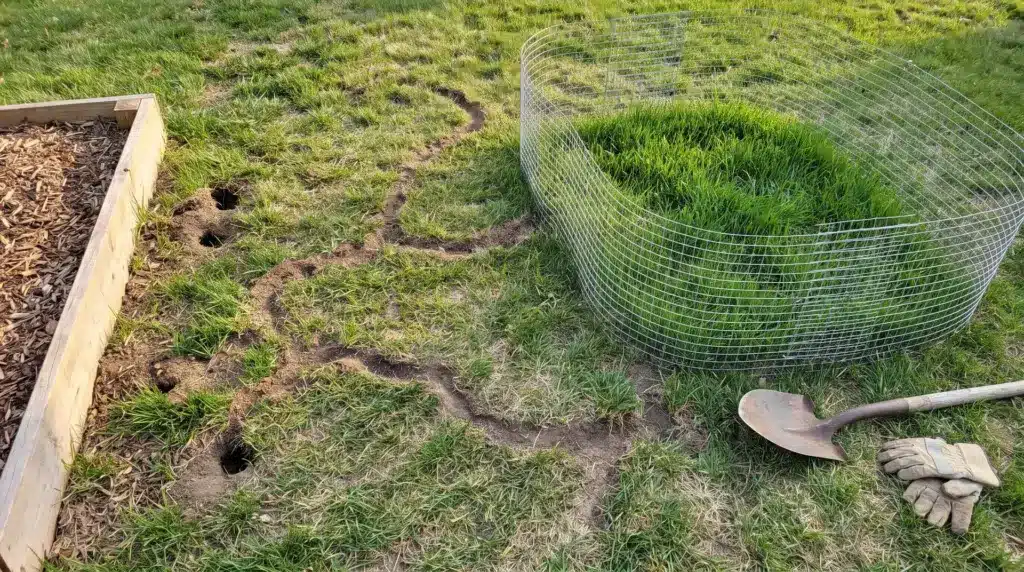
They create shallow tunnels just beneath the soil surface. These tunnels leave brown trails, damaged grass, and dead patches across your lawn.
By spring, much of the damage may already be visible.
On my flower farm in North Carolina, I’ve dealt with voles tunneling straight through raised beds. Trapping, physical barriers, natural repellents, and lawn repair all work better combined than alone.
You do not need harsh chemicals or expensive professional services to protect your yard.
8 Effective Ways to Get Rid of Voles
Most methods work better in combination. Start with the fastest fix for your situation, then add prevention and longer-term protection.
1. Set Snap Traps on Active Runways
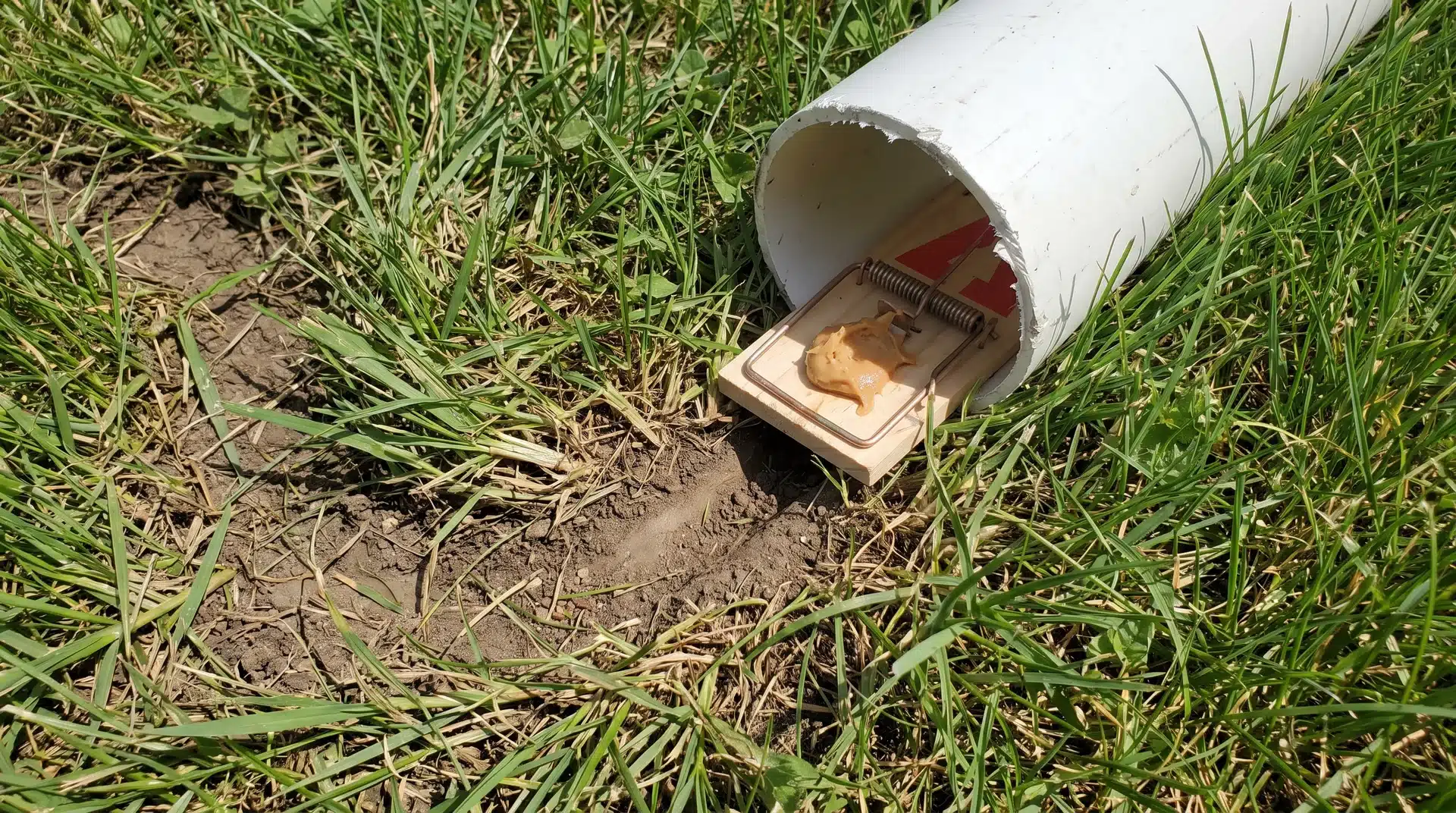
Snap traps deliver the fastest results for active infestations. Expect results within 3 to 7 days. Fall and late winter are the peak periods for vole activity.
Use peanut butter, oatmeal, or apple slices as bait. Place each trap perpendicular to the runway, not parallel, since voles travel the same path in both directions and are more likely to trigger a trap set across it.
Cover each trap with a small box or section of PVC pipe to protect pets and children. Check traps daily. Move them if nothing is caught after 48 hours.
For live traps, release voles at least 5 miles away. Relocation laws vary by state, so check local rules first.
2. Clean Up Your Yard
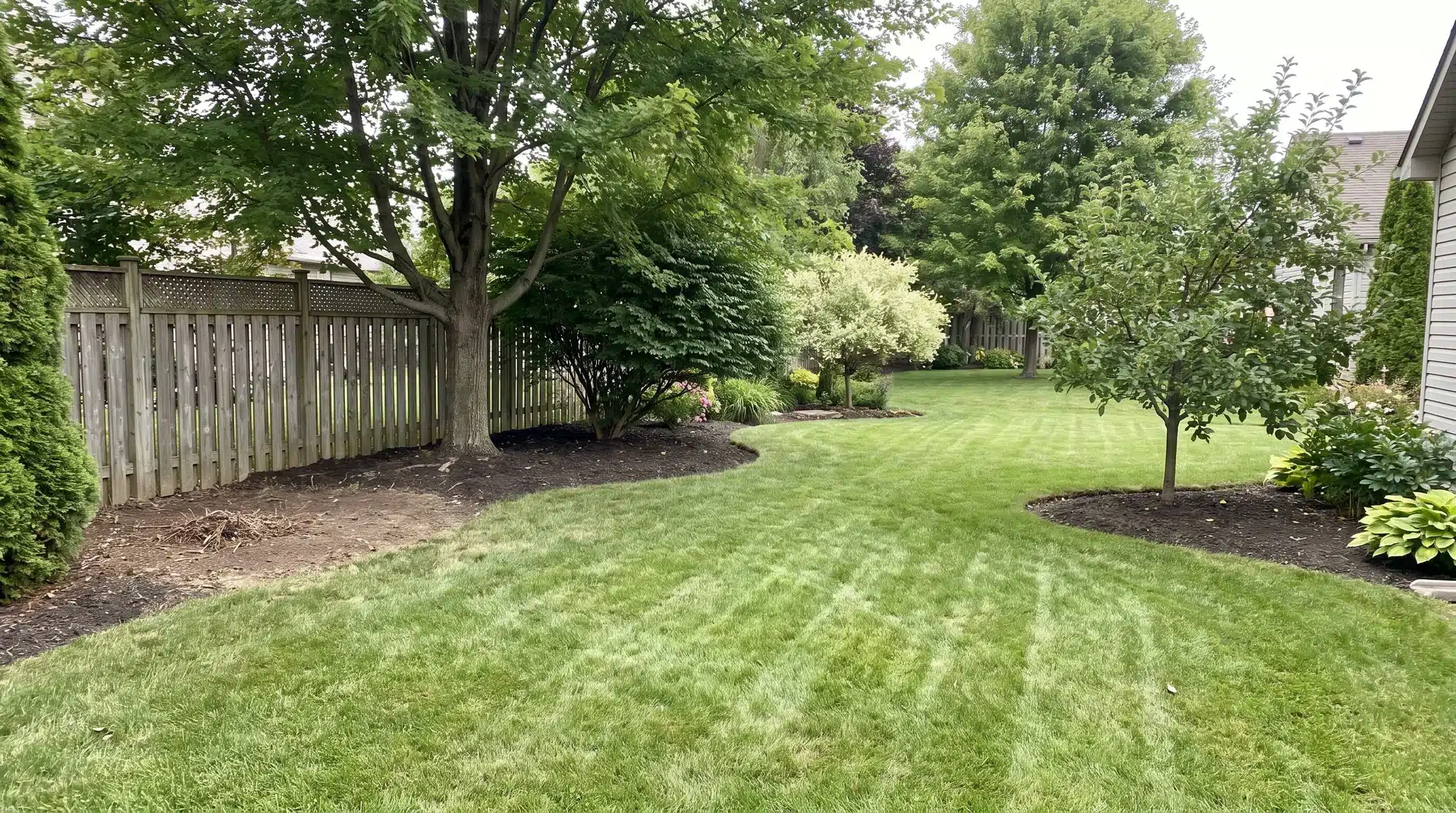
Yard cleanup costs nothing and backs up every other method you use.
Mow grass short, especially near fences and garden beds. Keep mulch no deeper than 2 inches. Never pile it against tree trunks.
Remove brush piles, wood stacks, and low-growing ground cover. Pick up fallen fruit every day during the growing season.
Take down bird feeders during active infestations. Walk over existing runways and fill tunnels with soil or gravel.
3. Install Physical Barriers
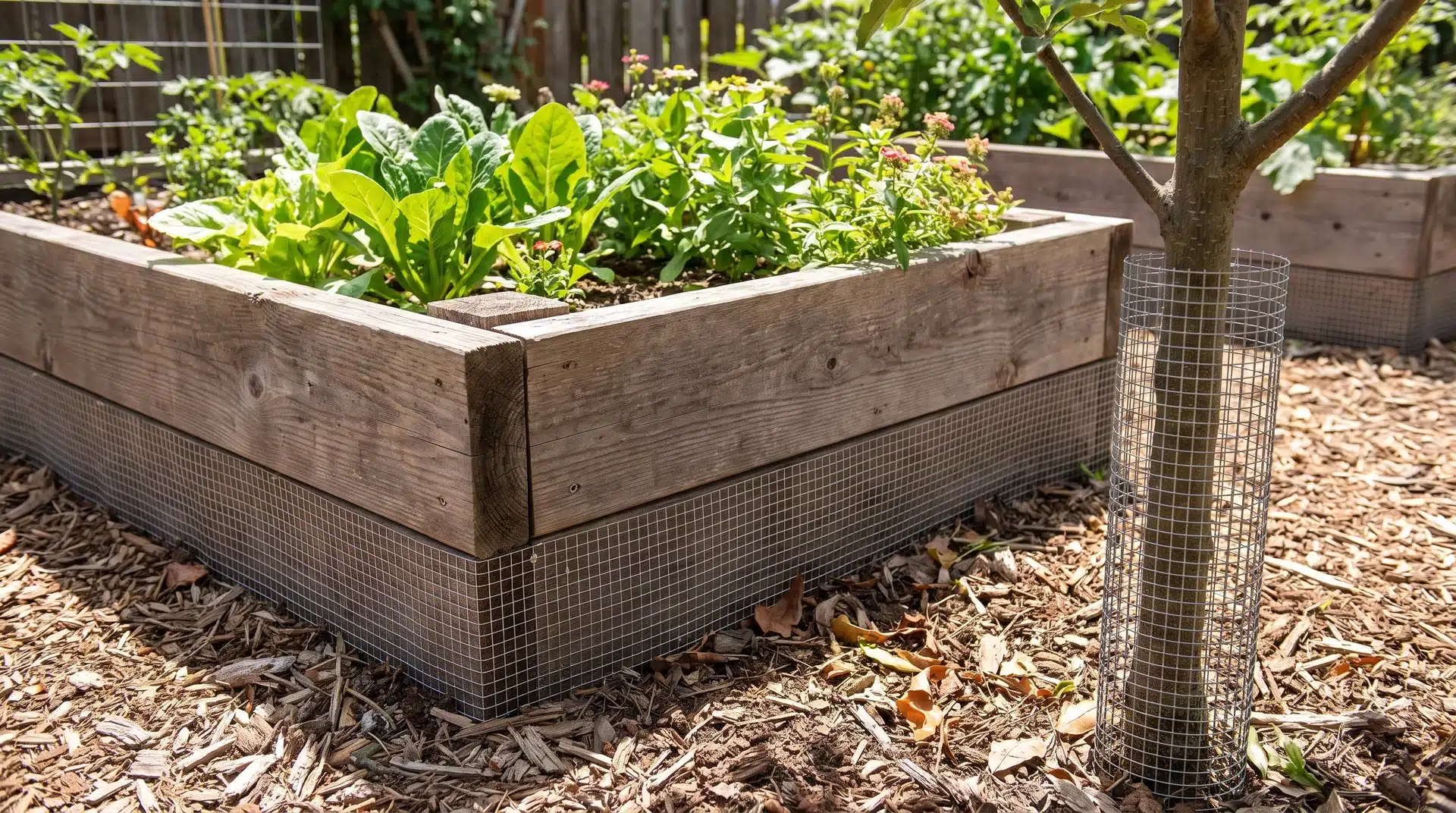
Physical barriers keep voles from reaching your plants and remain effective long after you put them in place.
Use quarter-inch hardware cloth or fine wire mesh. For garden beds, extend fencing at least 12 inches above ground and bury it 6 to 10 inches deep. Voles do dig, so the underground section matters.
Pairing wire fencing with low-maintenance border plants along the bed edge hides the hardware from view while keeping the barrier intact.
For trees, wrap the base of the trunk with a light-colored wire mesh cylinder. It should reach above the snow line in winter. Bury the base in the soil, leaving enough room for the tree to grow.
For bulbs, plant them inside a wire mesh basket. Or add coarse gravel around each bulb in the planting hole. Voles dislike digging through rough, gritty material.
4. Use Natural Repellents
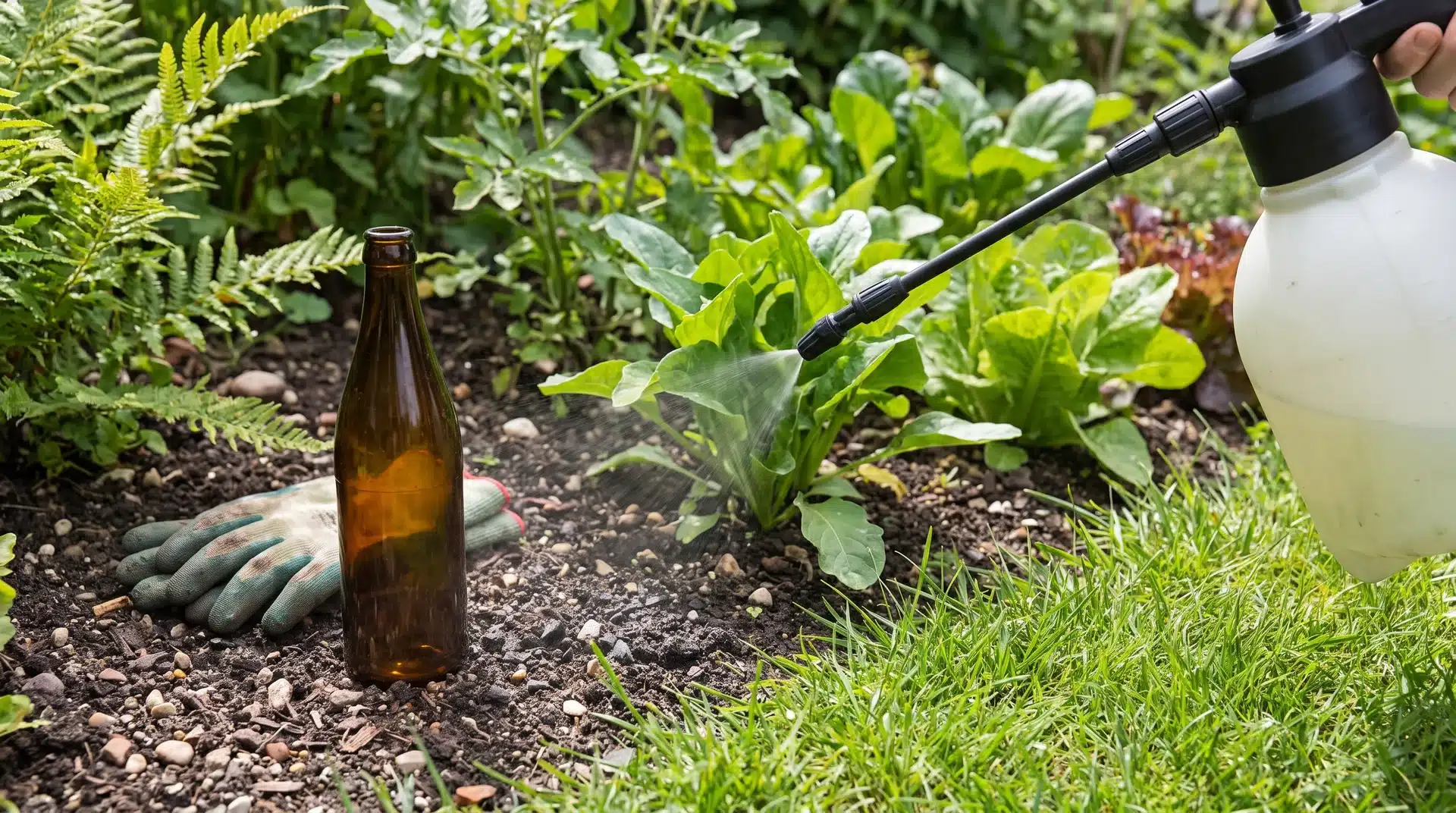
Repellents work best alongside trapping and barriers. They are not a fix on their own, especially for large infestations.
- Castor Oil Spray: Mix 2 tablespoons of castor oil with a few drops of dish soap in 1 gallon of water. Use a garden sprayer and soak the soil. Surface misting alone does not reach where voles feed.
- Predator Urine: Fox or coyote urine triggers a fear response in voles. Apply around the yard perimeter every 3 to 4 weeks.
- Cayenne Pepper Spray: Mix 1 tablespoon of hot pepper flakes, dish soap, and 1 quart of water. Spray around runways and holes. Reapply every 3 to 5 days and after rain.
- Coffee Grounds: Sprinkle used grounds around active areas. They break down fast, so reapply after rain.
5. Plant Vole-Repelling Plants
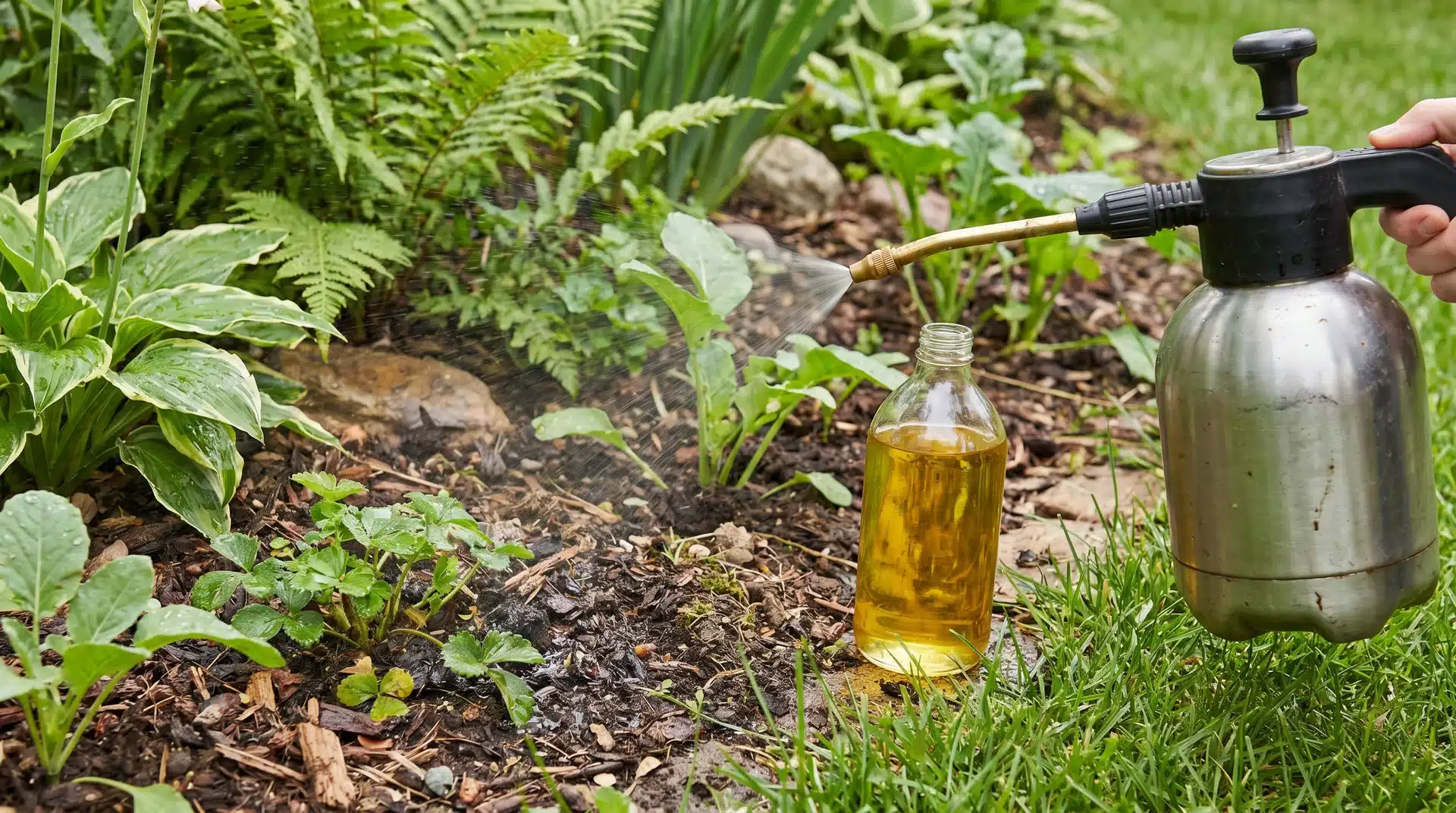
Some plants deter voles through scent or taste. Use them as border plants around garden beds for low-maintenance, year-round protection.
- Alliums (garlic, onions, chives): Their strong scent masks the plants voles most want to eat.
- Daffodils: Toxic to voles. Plant them alongside tulips to protect your bulbs.
- Fritillaries: Their bulbs contain alkaloids that voles find unpleasant and avoid.
- Salvia and thyme: Both release scents that voles prefer to avoid.
These plants deter voles the same way marigolds protect nearby vegetables in companion planting: scent and chemical compounds pests want to avoid.
6. Attract Natural Predators
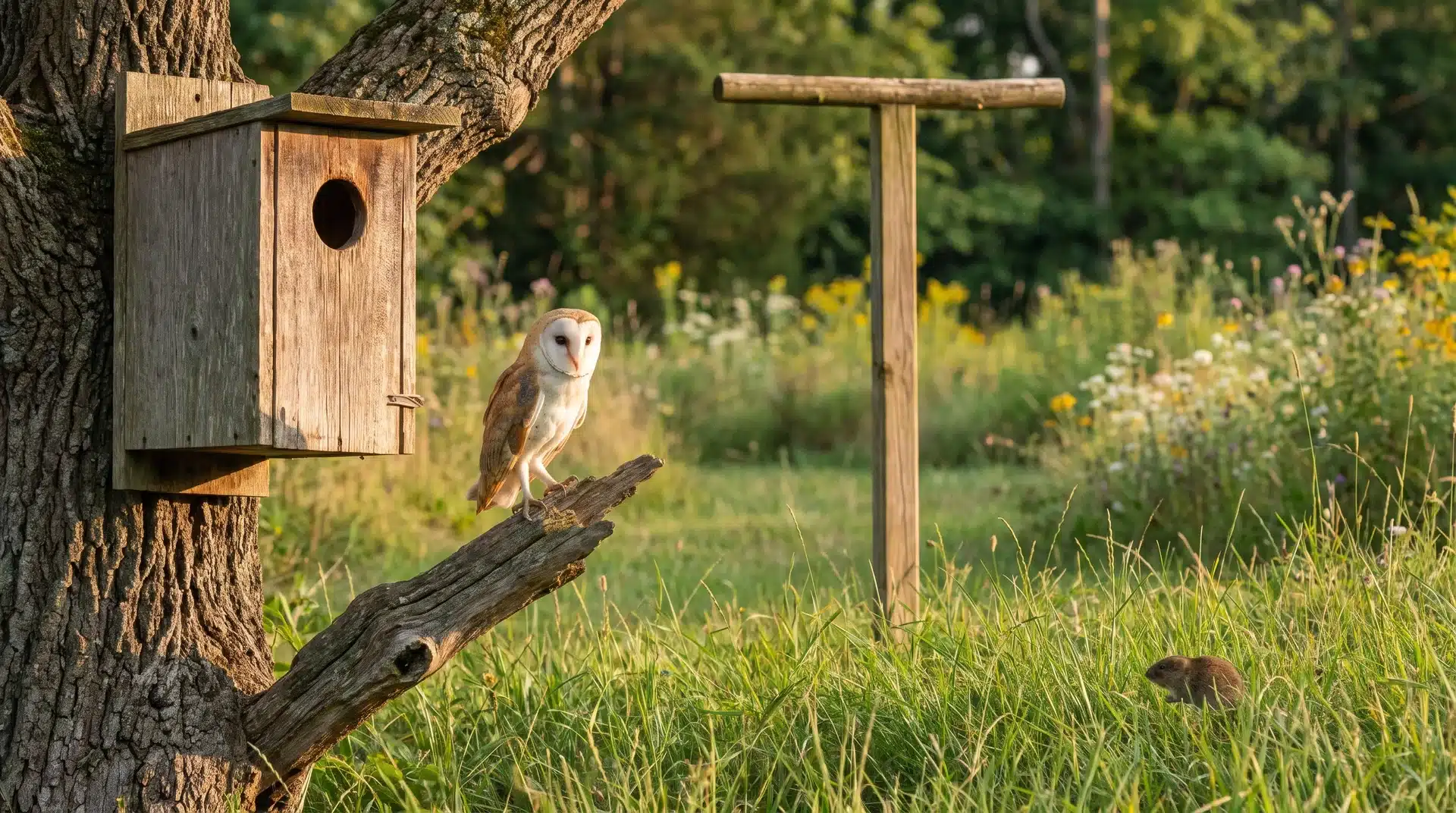
A single barn owl family eats more than 1,000 rodents per year, making owls one of the most effective free control options around.
Mount owl nest boxes at least 15 to 20 feet high. Add wooden raptor perches to give hawks a clear view of the ground.
Owl boxes cost around $40 to $60. Let outdoor cats patrol at dusk. Terrier breeds also hunt voles naturally.
Avoid rodenticide in areas where wildlife or pets may feed. Owls and hawks can die from eating poisoned voles.
7. Apply Castor Oil the Right Way
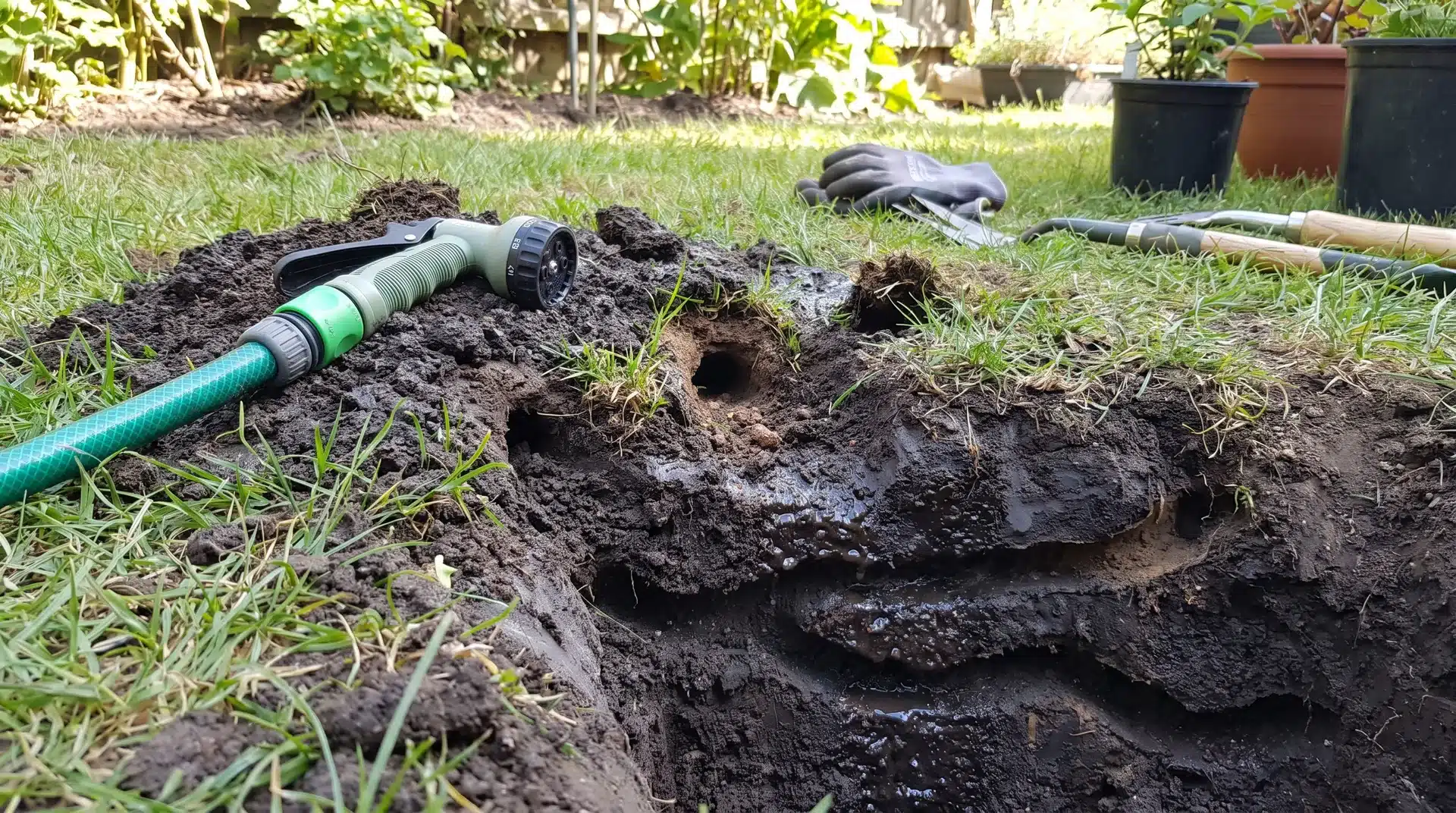
Castor oil treatments fail most often because of surface-only application, not the product itself.
Surface misting does not reach the depth where voles live. You need to drench the soil with a hose-end sprayer or a pressurized garden sprayer. The solution must soak down to where voles tunnel and feed.
Treat every area you want to protect. Voles pushed out of one patch shift a few feet and keep feeding. Full coverage is what makes this method work.
8. When DIY Vole Control is Not Enough
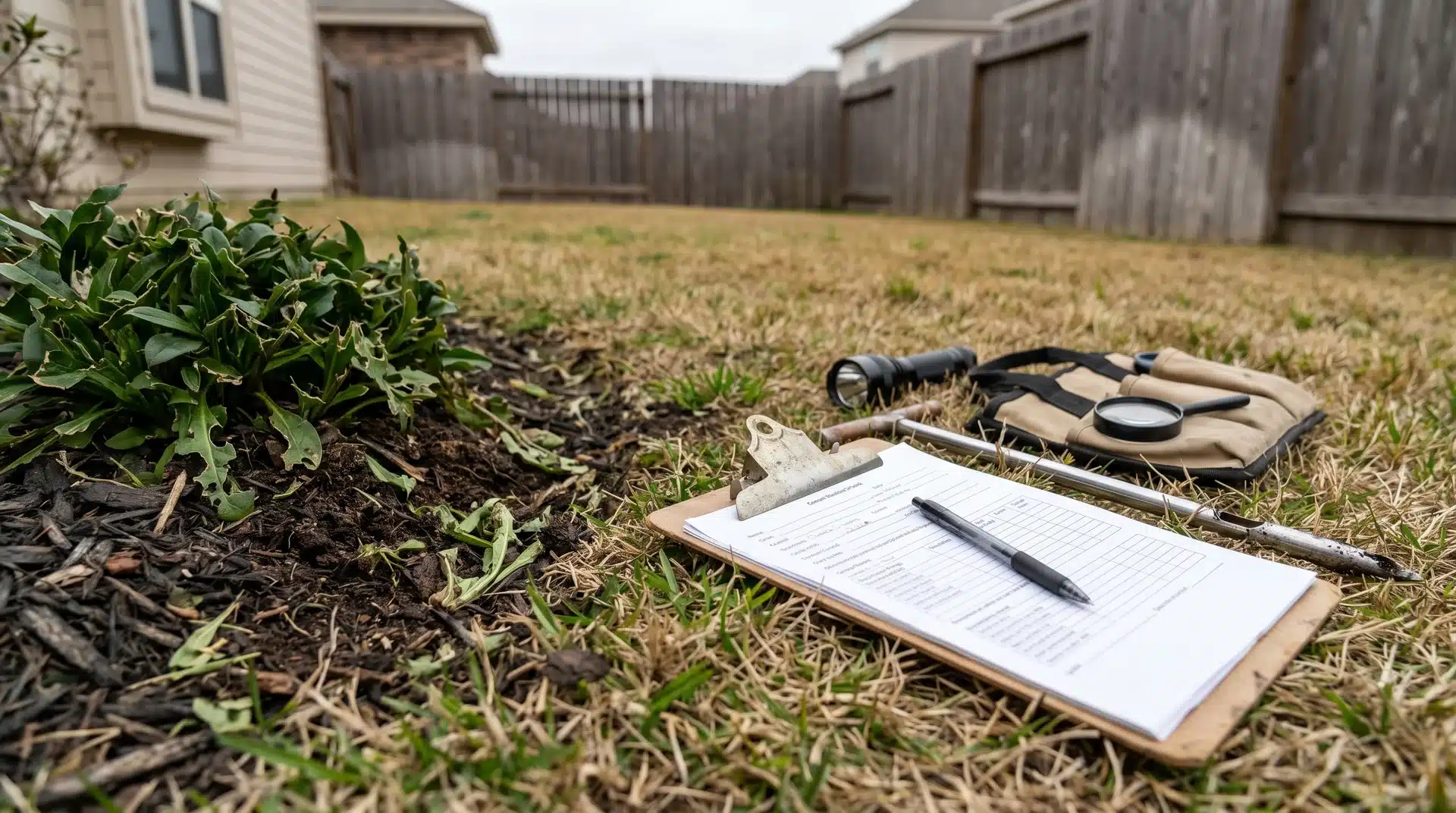
If two to three weeks of DIY methods show no results, contact a licensed pest control company.
Professionals use Integrated Pest Management (IPM), combining trapping, habitat changes, and targeted bait placement.
Most pesticide baits for voles are restricted-use products. Only a licensed applicator can legally apply them.
Expect to pay between $200 and $600, depending on property size and severity. Getting a quote is usually free.
How Much Does Each Method Cost?
Before you pick an approach, it helps to know what each method costs and what it works best for.
The table below gives you a quick side-by-side look so you can choose based on your budget and the size of your vole problem.
| Method | Approx. Cost | Best For |
|---|---|---|
| Snap Traps | $15 to $40 | Active infestations |
| Habitat Modification | Minimal | Prevention for all sizes |
| Physical Barriers | $50 to $200 | Long-term protection |
| Natural Repellents | $20 to $60 | Supplemental use |
| Repellent Plants | Minimal | Garden protection |
| Natural Predators | $30 to $150 | Sustainable control |
| Castor Oil Spray | Under $10 DIY | Organic option |
| Pest Control Pro | $200 to $600 | Severe or recurring cases |
What Attracts Voles to Your Yard?
Before you treat, find out what drew voles in. Removing food and shelter stops new voles from settling in after you clear out the current ones.
Voles go where food and cover are easy to find. Your yard may be offering them exactly what they need.
- Tall grass and dense ground cover: Voles hide from predators in overgrown areas. A trimmed lawn gives them no cover.
- Thick mulch: Deep mulch layers around trees and shrubs act as shelter and nesting material.
- Bird feeders: Seeds collect on the ground under feeders. Voles gather there regularly and settle in.
- Fallen fruit: Apple, pear, and berry trees leave fruit on the ground that voles eat.
- Brush piles and wood stacks: Ground-level hiding spots that make your yard feel safe to them.
How to Fix Your Lawn After Voles Leave
Getting rid of voles is only half the work. Restoring your lawn stops patchy, dead areas from spreading.
Rake up dead grass along surface runways to clear away the thatch. Fill collapsed tunnels with fresh topsoil and tamp them down firmly.
Reseed bare patches with a grass seed that matches your current lawn type. I’ve reseeded more vole trails than I can count on my own property, and a fescue blend fills in fastest in my Zone 7b clay soil. Water lightly and consistently to support new growth.
If you are away during this recovery period, proper planning for watering plants while on vacation can help prevent dry soil and stressed plants. New grass typically fills in within 3 to 4 weeks.
For trees, check for girdling. Girdling means voles chewed bark all the way around the trunk. A fully girdled tree may not recover.
Contact an arborist if you see a complete ring of damage. Partial bark damage often heals if the tree is otherwise healthy.
How Do You Know You Have Voles and Not Moles?
Getting the identification right saves you time and money. Treating for moles when you actually have voles means using the wrong traps, the wrong bait, and the wrong approach entirely.
The two animals look similar, and both damage lawns, but they leave very different signs.
Voles feed on plants, roots, and bark. They travel along the surface and leave shallow, winding paths about 2 inches wide, pressed flat into your grass.
Moles, on the other hand, feed on earthworms and grubs. They tunnel deep underground and push soil upward, leaving raised ridges and volcano-shaped mounds on the surface.
If you see flat trails in your grass rather than raised soil, you are dealing with voles.
Getting Your Yard Back
You can get rid of voles without spending a lot or using harsh products. Start with yard cleanup.
Set snap traps along active runways. Add barriers around trees and garden beds. Layer in repellents for extra coverage.
The faster you act, the less lawn you repair. Voles breed fast, and colonies grow quickly. Do not wait until dead patches spread across your whole yard.
Start with one or two methods this week. If the problem does not clear up within two to three weeks, bring in a licensed pest control professional.
Your lawn can fully recover with the right plan. What worked best in your yard? Share it in the comments below.
Frequently Asked Questions
1. How Do Farmers Get Rid of Voles?
Farmers control voles using traps, natural predators, habitat management, and approved rodenticides where permitted.
2. What Smells Do Voles Hate?
Voles dislike strong scents like castor oil, garlic, peppermint, predator urine, and capsaicin. These odors may deter activity but usually require regular reapplication.
3. What Time of Day are Voles Most Active?
Voles are active year-round and throughout the day and night, with peak activity typically occurring around dawn, dusk, and during overcast conditions.
4. How Long Does It Take to Get Rid of Voles?
Most methods show results in 1 to 3 weeks when combined. Snap traps often clear active runways on their own within 3 to 7 days.