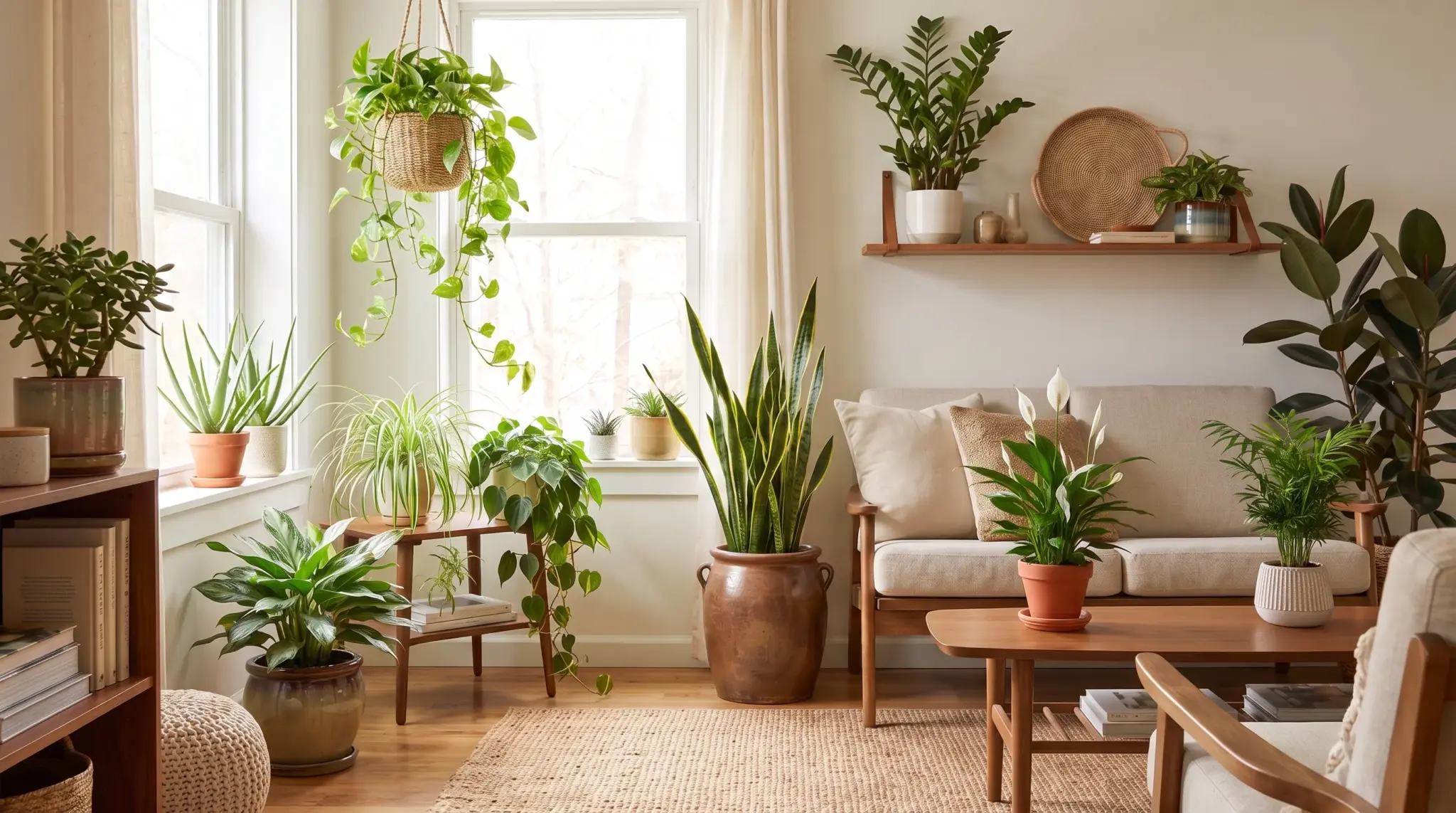
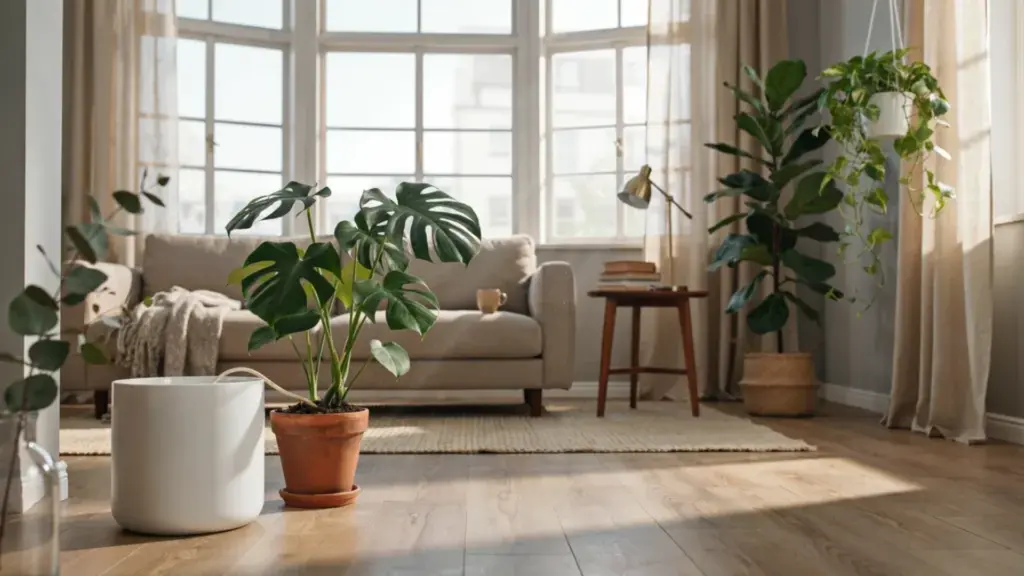
I’ve come home from a long weekend more than once to find a pothos, one of the easiest houseplants to keep alive, slumped over the pot rim with the soil pulled away from the sides.
Bags packed, cab already outside, and the watering can still sitting untouched by the sink.
A week without water means dry soil and wilted leaves, plus a rough welcome home. But learning how to water plants while on vacation does not have to mean calling in favors or buying expensive gadgets.
Most solutions use items already sitting around the house. This post covers seven proven methods from a five-minute bottle hack to drip irrigation setups, each matched to a specific trip length.
The right method depends on the plants, the season, and how many days the trip actually runs. Read on to find the best fit.
What to Do 24–48 Hours Before You Leave
Give every plant a slow, deep soak one to two days before you leave, the same deep-soak approach I use for regular indoor watering in my own apartment. Watering deeply, not just a surface splash, forces roots to reach down into the soil where moisture stays longer.
After watering, move potted plants away from windows and direct sunlight. Plants use water faster in bright light because of a process called transpiration.
The rate of transpiration increases with the amount of sunlight a plant receives. Less light means less water loss while you are gone.
Group your indoor pots close together. When plants are close together, they exchange moisture through their leaves. This creates a small, moist microenvironment that slows down how fast the soil dries out.
Do not fertilize right before you leave. Fertilizer pushes new growth, and new growth is thirsty growth.
How to Water Plants While on Vacation: 7 Methods
Not every method works for every trip length. Match the method to the number of days you will be away.
1. The Plastic Bottle Drip Hack (Best for 2–5 Days)
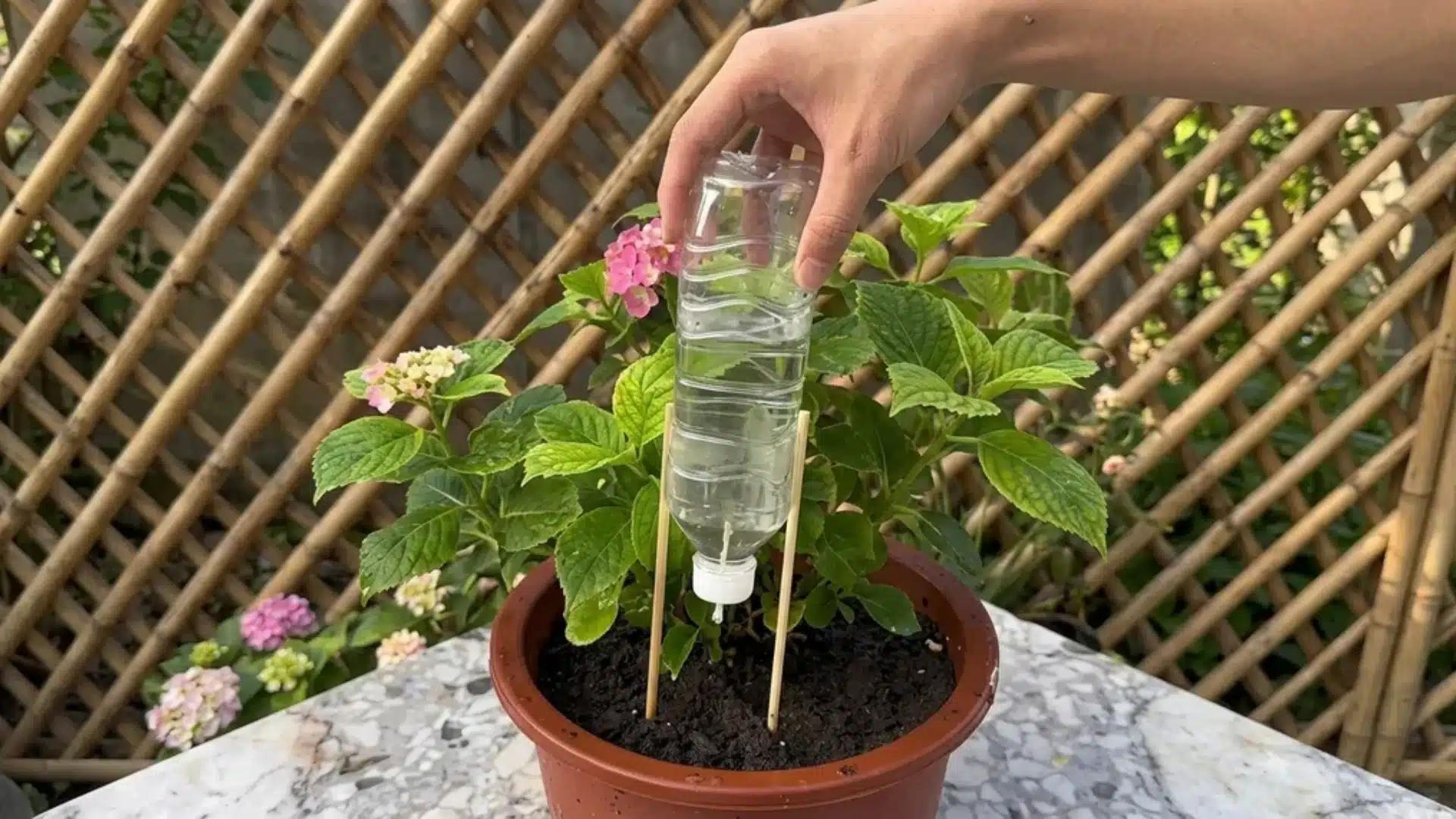
All you need is an empty plastic bottle, a metal skewer, and a cotton swab.
Here is how to set it up:
- Rinse the bottle completely.
- Make a small hole in the cap using a heated metal skewer.
- Make a second small hole low on the side of the bottle.
- Cut a cotton swab in half and put one half into each hole, with the cotton side facing out.
- Fill the bottle with water and screw the cap back on.
- Stand the bottle on the soil next to your plant.
Water drips slowly into the soil from the lower cotton swab. In hot weather, remove the swab from the cap to speed up the drip rate. This keeps pot plants happy over a long weekend without relying on anyone else.
2. Cotton Wick Watering System (Best for 1–2 Weeks)
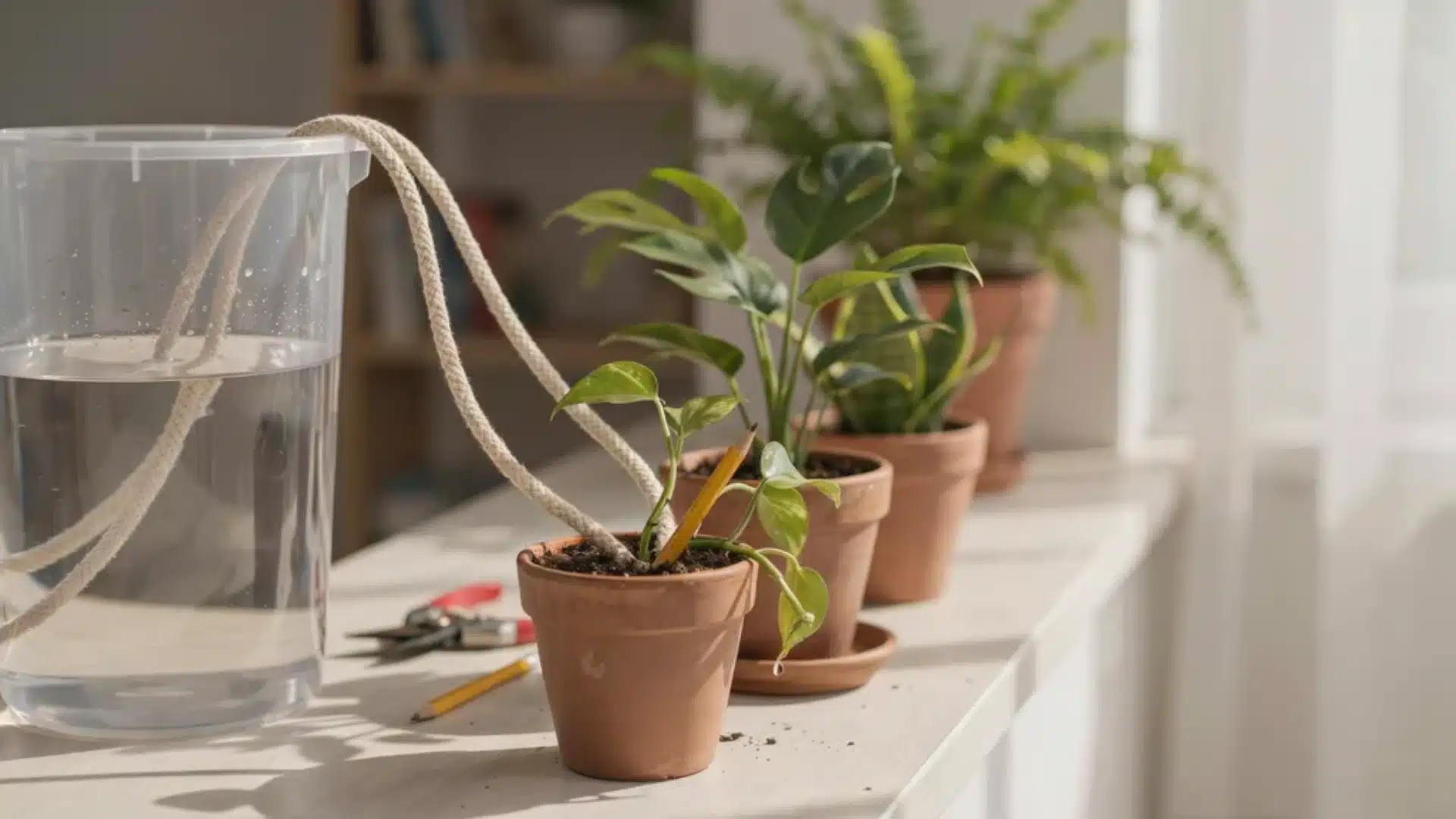
This method uses capillary action, the same way a paper towel soaks up a spill, to move water from a bucket into your plant’s soil.
What you need: cotton rope, a bucket or large vase, and water.
Steps to set it up:
- Fill a bucket or large vase with water and place it near your plants.
- Cut a length of cotton rope for each plant.
- Push one end of the rope several inches deep into the soil. Use a pencil to press it in firmly.
- Let the other end sit in the bucket with extra slack. The rope pulls water steadily from the bucket into the soil.
One bucket can water several plants at once. The more water you put in the bucket, the longer the system runs. This works well for trips up to two weeks.
3. Bathtub or Sink Soaking Method (Best for 3–7 Days)
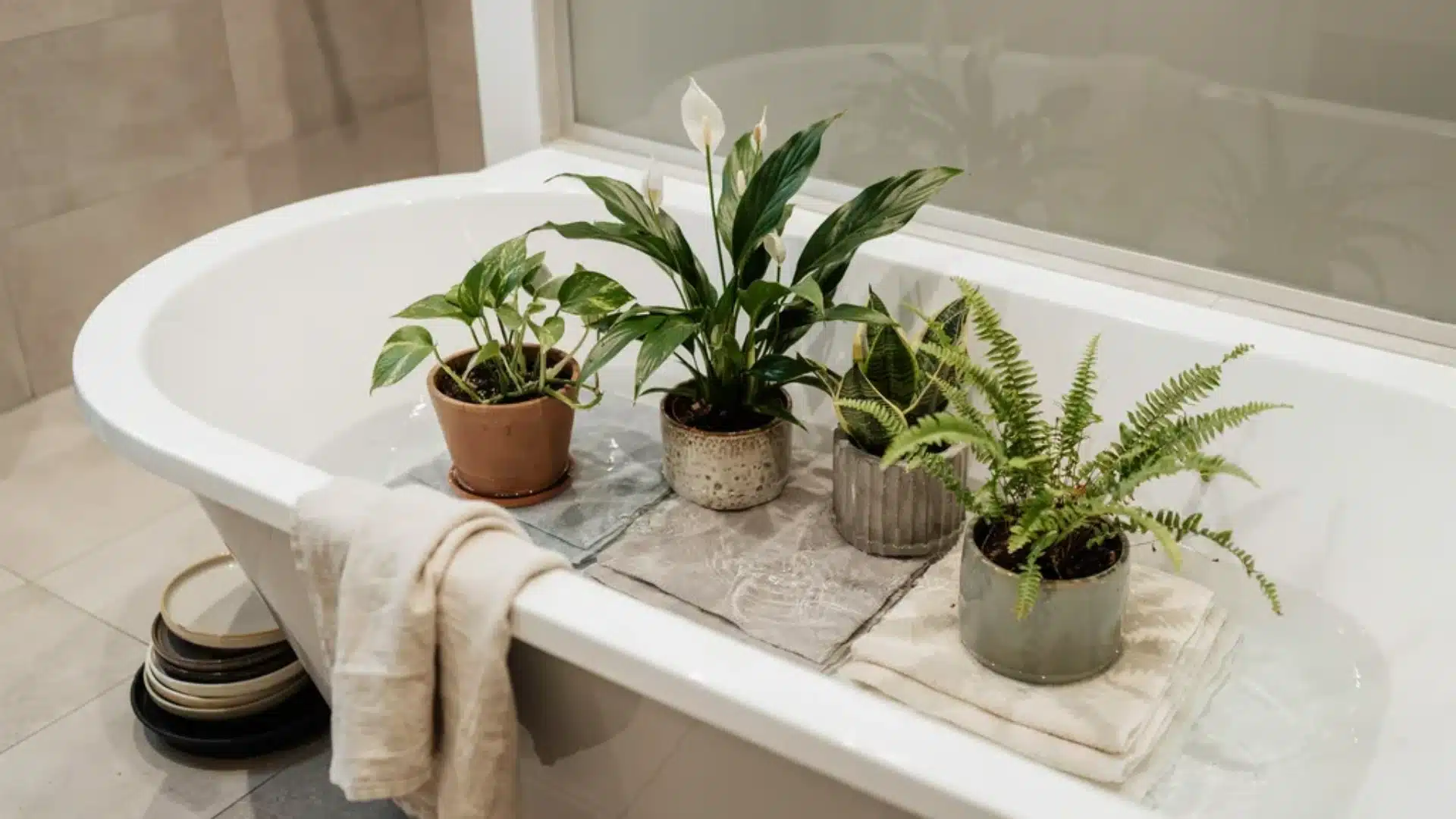
Fill your bathtub with about two inches of water. Add old towels flat across the bottom in place of pebbles. Then set your potted plants on top.
Before you place them in the tub, remove any saucers or drip trays from under each pot. You want water to move freely up through the drainage holes into the soil. Leave the bathroom light on while you are away. Your plants still need some light to stay healthy.
This method can extend your normal watering window by up to a week. It works well for most indoor plants. Skip this one for succulents and cacti, which do not like sitting near water.
You can do the same thing in your kitchen sink using one to two inches of water for smaller pots over a long weekend.
4. Plastic Bag Greenhouse Tent (Best for 2–3 Days)
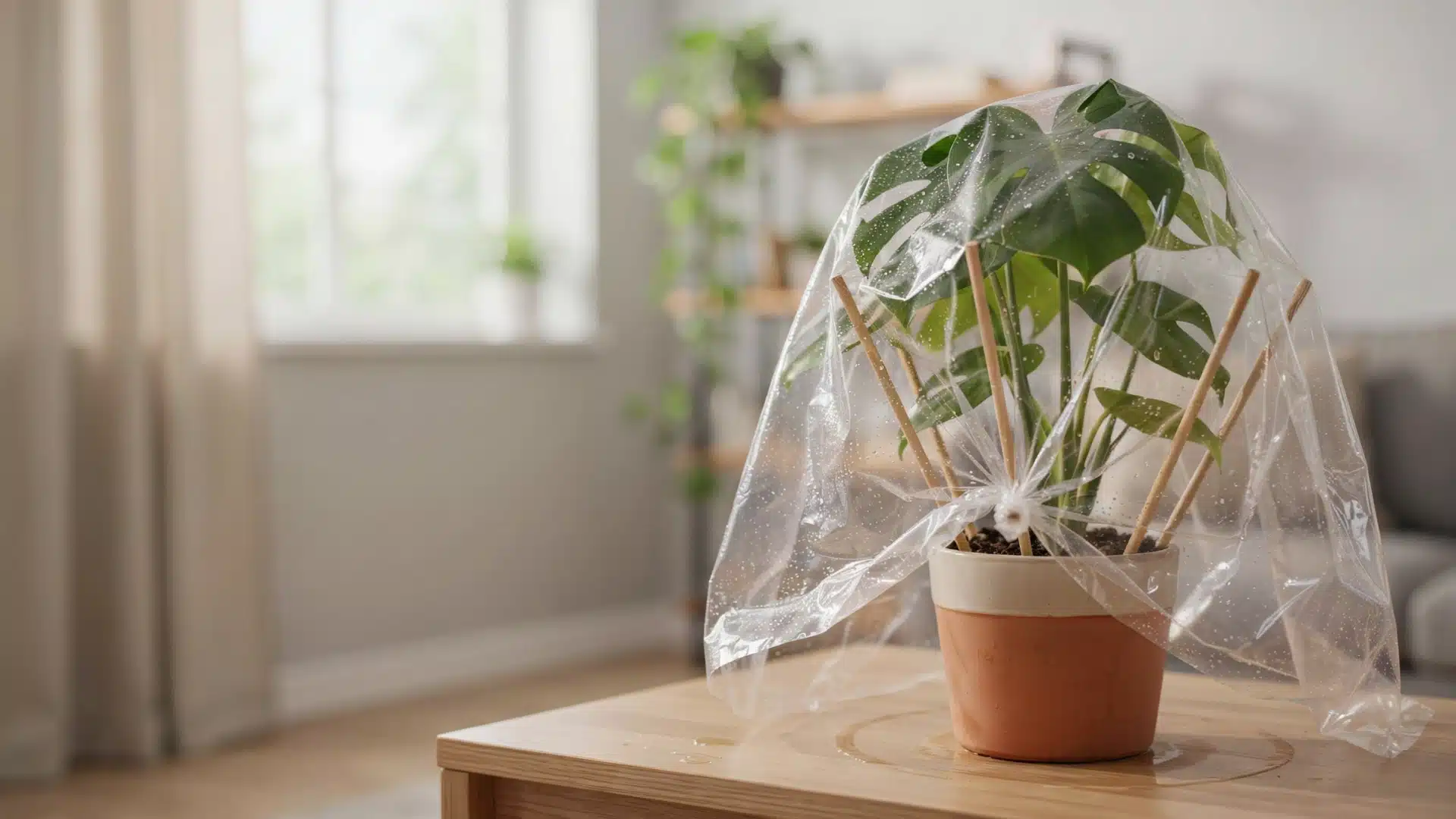
This one is fast. Grab a clear plastic bag large enough to cover your plant.
Water your plant thoroughly first. Then pull the bag up and over the pot, just below the rim. Cut two or three small slits in the plastic so air can circulate, plants still need to breathe.
Use sticks or chopsticks to hold the bag away from the leaves.
The bag traps moisture that evaporates from the leaves and soil, then returns it to the plant. This creates a humid cycle that cuts down surface water loss.
This works well for tropical houseplants and ferns. Do not use this method on succulents, cacti, or plants prone to fungal issues.
5. Self-Watering Globes or Bulbs (Best for 5–7 Days)
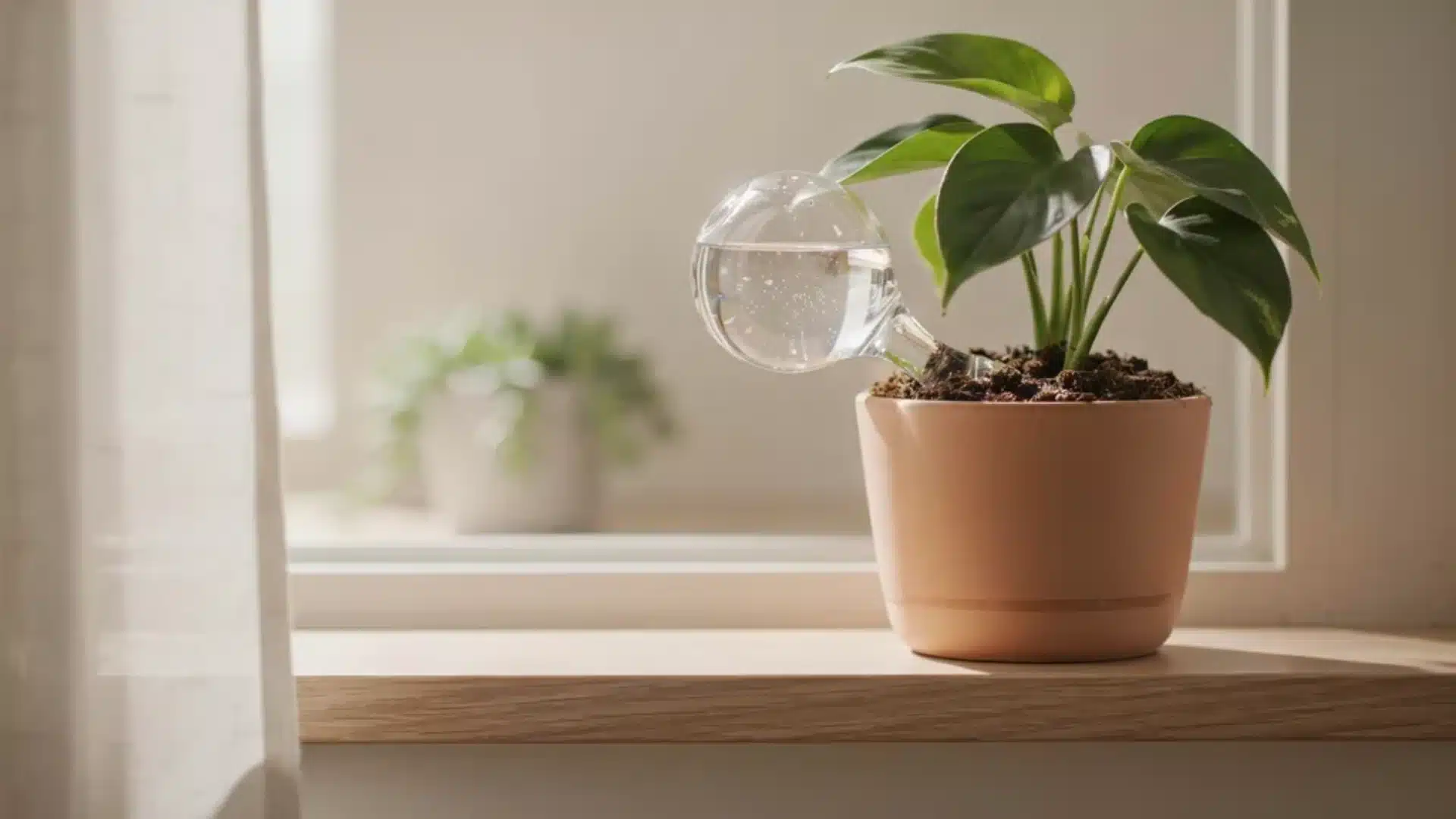
Glass watering globes are simple to use and look good on a windowsill. Fill the globe with water, make a small hollow in the soil next to your plant, and insert the globe at a 60 to 75-degree angle.
As the soil dries out, air enters the globe, releasing a small amount of water. The plant only gets water when it actually needs it.
Good-quality glass globes hold around 5 fluid ounces of water and can keep a plant hydrated for up to seven days. They work best for small to medium pots with moderate watering needs.
One important note: globes are not effective for high-water-demand plants like impatiens or tomatoes. They also drain within a day or two in sandy or very loose soil. Skip them for jade plants, too, since jade would rather dry out fully between waterings than sit in a constant drip.
6. Drip Irrigation Timer (Best for Outdoor Plants, 1–4 Weeks)
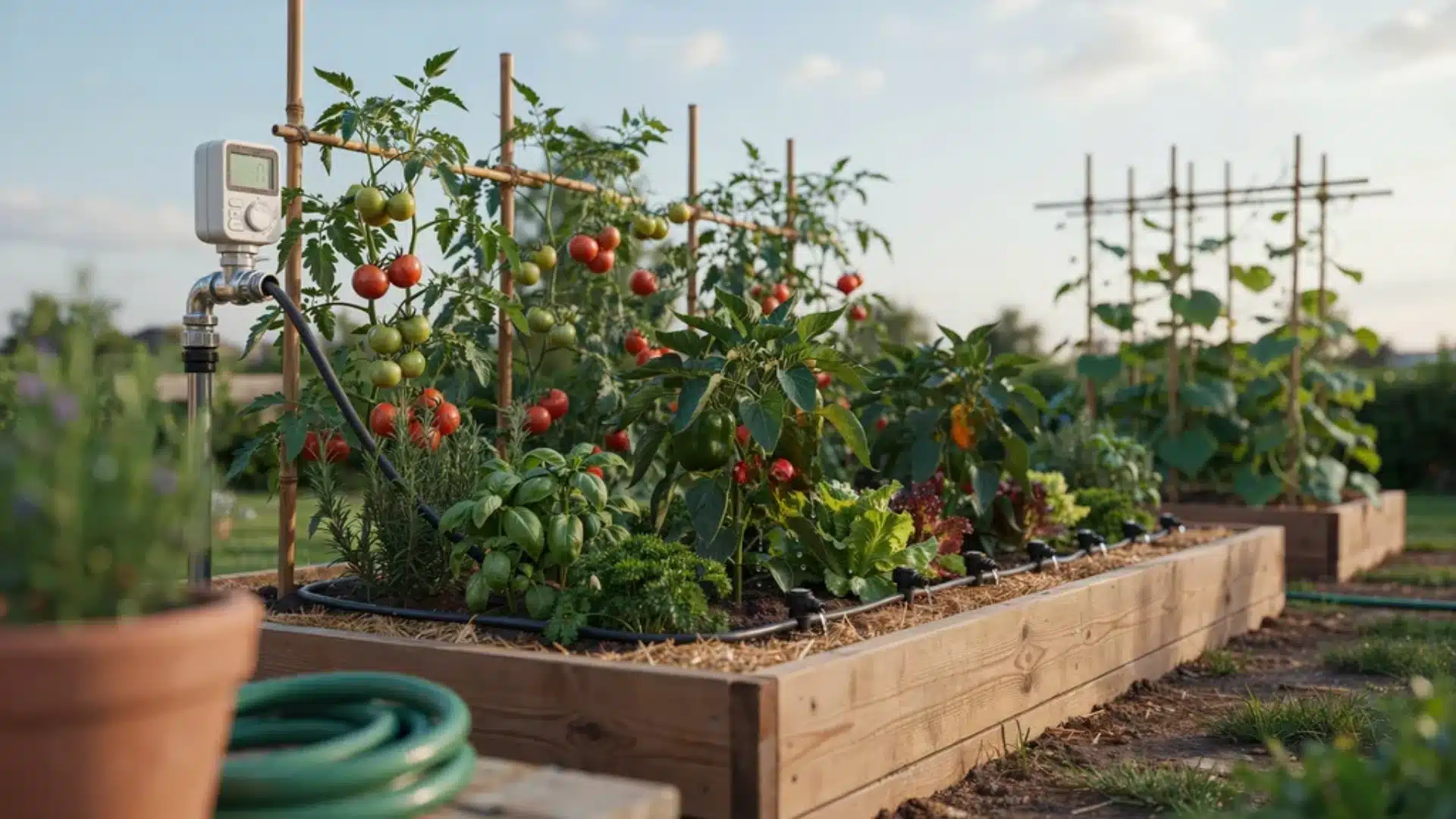
If you have an outdoor vegetable garden or raised beds, a drip irrigation timer is the most dependable solution for trips longer than a week.
Set up the drip irrigation system before you leave and test it fully. Run it on your preferred schedule and watch where the water falls.
Adjust emitter positions so every plant gets coverage. You do not want to come back to dry beds because one emitter was blocked.
Pair the timer with a thick layer of mulch across your garden beds. Mulch slows evaporation and helps soil hold moisture between watering cycles.
Check the weather forecast before you leave. Program the timer to skip a cycle during rain so your garden does not get over-watered.
7. Self-Watering Pots and Reservoirs (Best for Up to 1 Week)
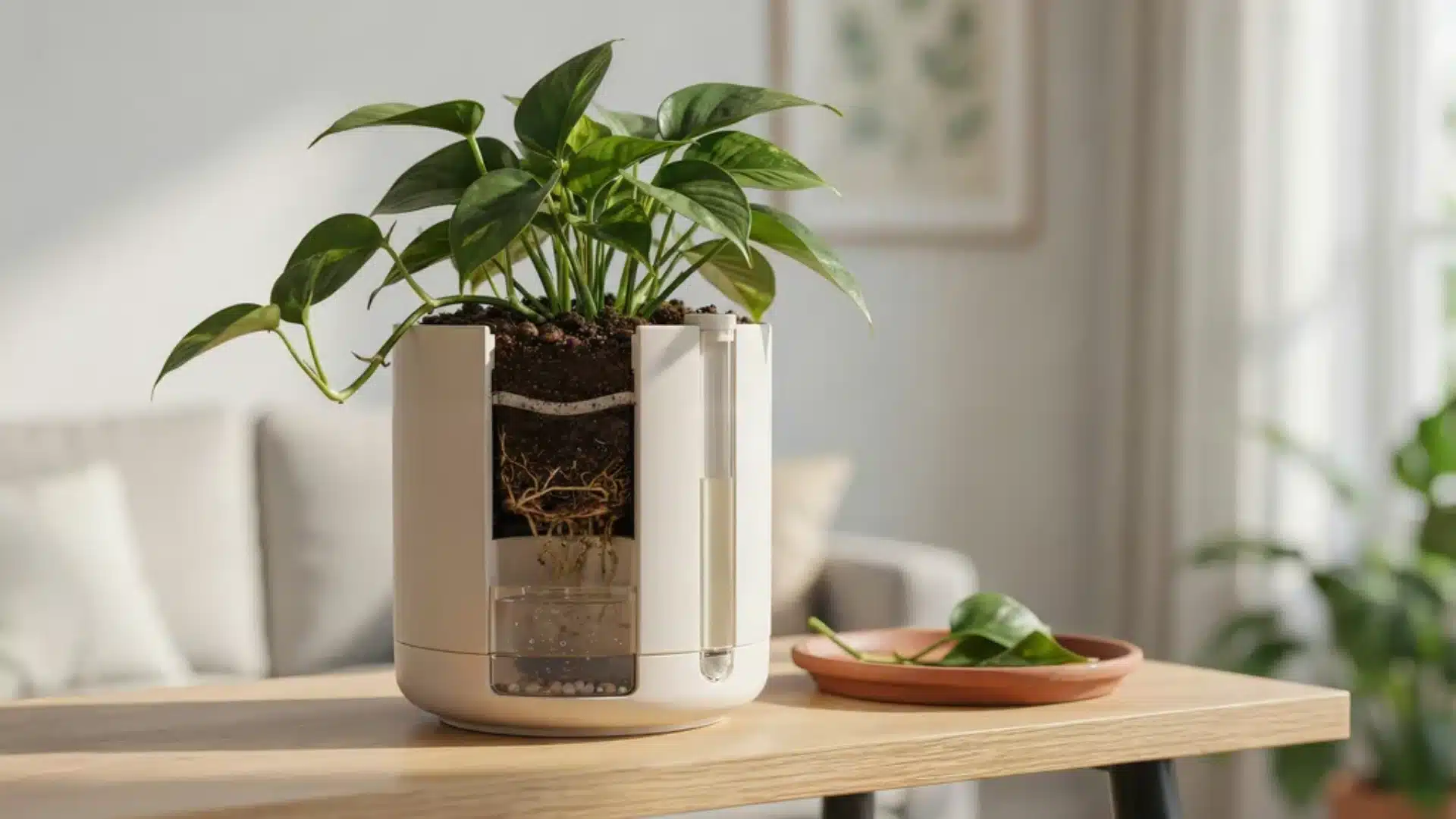
Self-watering containers have a built-in reservoir beneath the drainage holes. Plant roots pull water up from the reservoir at their own pace. This is called sub-irrigation.
These pots are practical for people who travel regularly. The plant drinks only when it needs to, which reduces the risk of both over-watering and under-watering.
The main limit is the reservoir size. Smaller pots may run dry in three to four days depending on the plant. Larger reservoirs can last up to a week.
Self-watering pots work best as part of a broader plan, not as a standalone solution for long trips.
Special Cases: Outdoor Pots, Succulents, and Hanging Baskets
Not every plant needs the same treatment before you leave.
1. Outdoor potted plants lose water faster than any other plants. Move them into a shaded, sheltered spot before you go. Direct sun and wind dry out containers very fast, especially in summer.
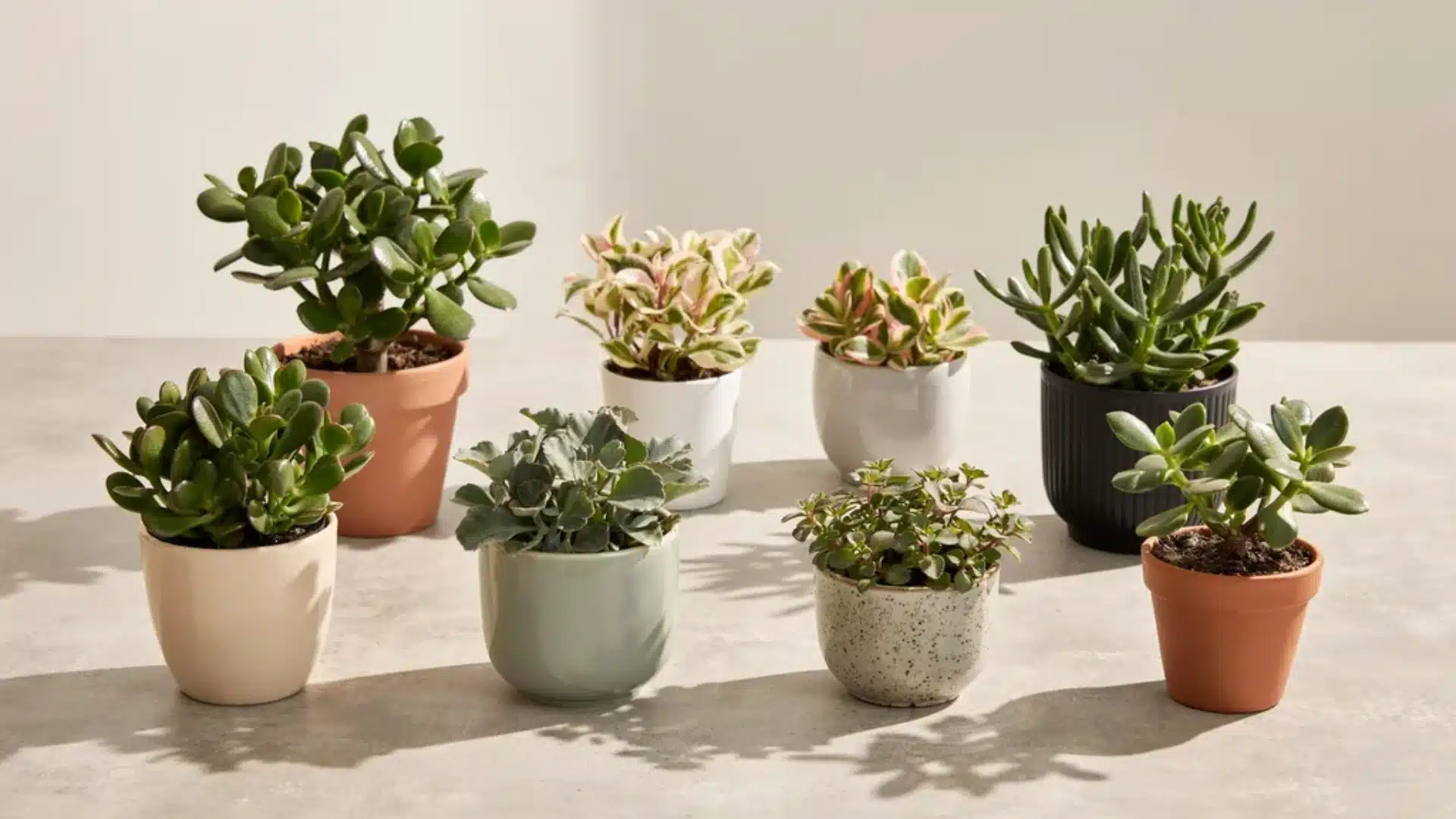
2. Succulents and cacti are the low-stress option here. A single thorough watering before you leave is enough for most trips up to two weeks. Peace lilies are the opposite story, they wilt fast without steady moisture, so they need one of the methods above rather than a single soak.
Do not set up a wick system or put succulents in a tub. Soggy roots will kill them faster than a dry pot ever would.
3. Hanging baskets are the highest-risk plants. They dry out quickly because air flows around them from every side.
If you are going away for more than a few days, use a wick system for hanging baskets or ask a neighbor to check in once.
4. Vegetable gardens need consistent water, especially in warm weather. Drip irrigation with a timer is the only reliable answer for garden beds when you are away for seven days or more.
What to Do When You Get Back from the Vacation
When you return, check the soil of every plant before you do anything else. Push your finger two inches into the soil.
If it feels wet or soggy, skip watering. If it feels dry and pulls away from the pot edges, your plant needs water right away.
For very dry, stressed plants, water slowly. Pour a small amount and let the soil absorb it fully before adding more.
If water pools at the surface and runs straight off, the soil has dried out completely and become water-repellent. In that case, set the pot in a tray of water for 20 to 30 minutes so it can absorb moisture from the bottom.
Do not prune damaged leaves the moment you walk in the door. Wait until the plant has had two to three days to stabilize. Removing too many leaves at once adds stress to a plant that is already under pressure. If you come home to yellowing pothos leaves, that is usually vacation stress working itself out, not a plant on its way out.
A droopy or sad-looking plant after a vacation is not always a lost cause. Give it consistent care for a week before you give up on it.
Match the Method to Your Trip
Figuring out how to water plants while on vacation comes down to one thing: matching the method to the trip. A bottle hack handles a long weekend.
A wick system covers two weeks. A drip timer keeps outdoor gardens going for up to a month.
No single solution works for every plant or every trip length. The key is preparing one to two days before leaving, not the morning of departure.
With the right setup in place, plants stay alive and healthy without a sitter or a lot of stress.
Which method works best for your setup? Share it in the comments below.
Frequently Asked Questions
Can Plants Survive Two Weeks Without Water?
Most established houseplants can go one to two weeks without water if the soil is deep-soaked first. Thirsty plants like ferns need attention sooner.
How Do You Water Plants for a Month While on Vacation?
Combine a drip irrigation timer for outdoor beds with self-watering pots or a wick system indoors. Test both about a week before you leave.
Do Self-Watering Globes Work for Every Plant?
No. Skip them for jade and other dry-soil-loving plants. They work best for plants with moderate water needs, like pothos.
Should I Ask a Neighbor to Water My Plants Instead?
A neighbor works well for trips longer than two weeks or for plants with heavy water needs. Leave clear, simple instructions.